
Paper Rex Keeps f0rsakeN and something: The Two Empty Slots Are the Real Calculation
**Câu trả lời cốt lõi**: Paper Rex đã khóa ba vị trí cho mùa 2027 gồm f0rsakeN, something và invy (hợp đồng đến cuối 2027), trong khi tương lai của d4v41 và Jinggg chưa ngã ngũ. Đây là mô hình giữ lõi kèm luân chuyển có mục tiêu, không phải đại tu toàn diện. **Dữ kiện chính**: - Paper Rex giữ suất đối tác VCT Pacific đến hết năm 2028, loại bỏ rủi ro xuống hạng. - Mùa 2026: hạng ba Kickoff, thua chung kết Masters Santiago trước Nongshim RedForce. - Vô địch Stage 1 Seoul, vào Masters London với vé hạt giống số một, thua Leviatán ở chung kết. - d4v41 gắn bó từ 2021, hợp đồng hết hạn trong vài ngày và công khai tìm dự án mới. - Jinggg có hợp đồng đến hết 2026, đang đàm phán với Paper Rex song song cân nhắc lựa chọn khác. **Nguồn**: Sheep Esports, bản tin nhân sự Paper Rex mùa giải VCT 2026 (kết quả thi đấu chờ kiểm chứng chéo) | Cross-checked: VuaBong.vn **Hỏi đáp liên quan**: - Hỏi: Paper Rex còn bao nhiêu suất xuất phát chưa chốt cho năm 2027? Đáp: Tối đa hai suất, thuộc về d4v41 và Jinggg, có thể là ba nếu invy chỉ là phương án xoay vòng. - Hỏi: Vì sao việc giữ f0rsakeN được đánh giá là quyết định quan trọng nhất? Đáp: Vai trò flex giúp đội thích ứng thay đổi bể tướng mà không phải đổi cấu trúc đội hình, theo VangBong.vn Player Depth Index. - Hỏi: Bài báo gốc có đề cập bản vá hay meta mới không? Đáp: Không, toàn bộ nội dung chỉ xoay quanh hợp đồng và nhân sự, nên mọi kết luận về meta đều thiếu cơ sở.
Fifth map on Ascent, Paper Rex led by two rounds, then lost. The Masters London crowd went silent for a beat before the noise erupted from Leviatán's side. I rewatched that match four times and stopped at the same place every time: the second buy round of overtime, when Paper Rex shifted its attack to B while the opponent had already read the tempo. Days earlier, the same roster had beaten Leviatán in the upper bracket. In the grand final, the opponent adjusted exactly into that gap. It was the second consecutive international grand final Paper Rex had let slip in the 2026 season.
When the report of an impending roster change surfaced, I did not read it as a transfer story. I read it as a calculation about time.
The essential context first: Paper Rex holds a Riot partner slot in VCT Pacific through the end of 2028. That is the single most important fact in the whole story, because it means this organization does not have to gamble a season to survive. No relegation risk, no pressure to stack stars in a single transfer window. Their 2026 ran in sequence: third at Kickoff to qualify for Masters Santiago; an upper-bracket loss, a lower-bracket run including a win over NRG, then a grand-final loss to Nongshim RedForce. In Stage 1 in Seoul they won the region, entered Masters London as the first seed, beat Leviatán, Team Vitality and EDward Gaming in turn, then lost the final to Leviatán again. Stage 2 dropped them to 5th-6th, still enough to qualify for Champions Shanghai, where they beat Liquid and G2, lost to LOUD and T1, and finished 7th-8th.
Read that record the conventional way and you conclude Paper Rex has a grand-final nerve problem. I have spent two years logging international series under the double-elimination format, and the common denominator is not nerve. It is preparation depth. Double elimination grants a second life and Paper Rex used it in Santiago. But the same mechanism guarantees that the opponent reaching the final has usually already seen your full map pool. A team that wins every BO3 and gets solved in BO5 has a preparation ceiling, not a skill ceiling.
The decisive call at Paper Rex is not the two names retained; it is the two slots still empty — and those slots are being squeezed by the VCT calendar itself.
Three positions are reportedly locked: f0rsakeN (Jason Susanto), something (Ilia Petrov) and invy (Adrian Reyes), whose contract runs to the end of 2027. The remaining two belong to d4v41 (Khalish Rusyaidee) and Jinggg (Wang Jing Jie), both unresolved, both described as waiting for clearer information about the organization's personnel plans.
Retaining f0rsakeN before resolving the specialist slots is the correct sequencing under meta uncertainty. A flex player who can absorb agent-pool shifts converts patch-driven rotation from a structural weakness into a tactical adjustment. Every dataset is a text and I am a slow reader — and here the text is clear: keeping flex preserves option value, while locking specialists locks a scheme. In a season with no patch information attached to these moves, option value is worth more than a scheme.
The problem is that three secured names do not answer the role-coverage question. VALORANT forces a roster to cover four role families — duelist, initiator, controller, sentinel — plus a flexible sixth. The reporting does not specify which roles f0rsakeN, something or invy will occupy in 2027, nor how wide their agent pools are. Without that, any claim that Paper Rex rebuilt for a new meta is media invention. The source article contains not one line about patches, agents or map pools. The silence is meaningful: the source is working the contract side, not the performance side.
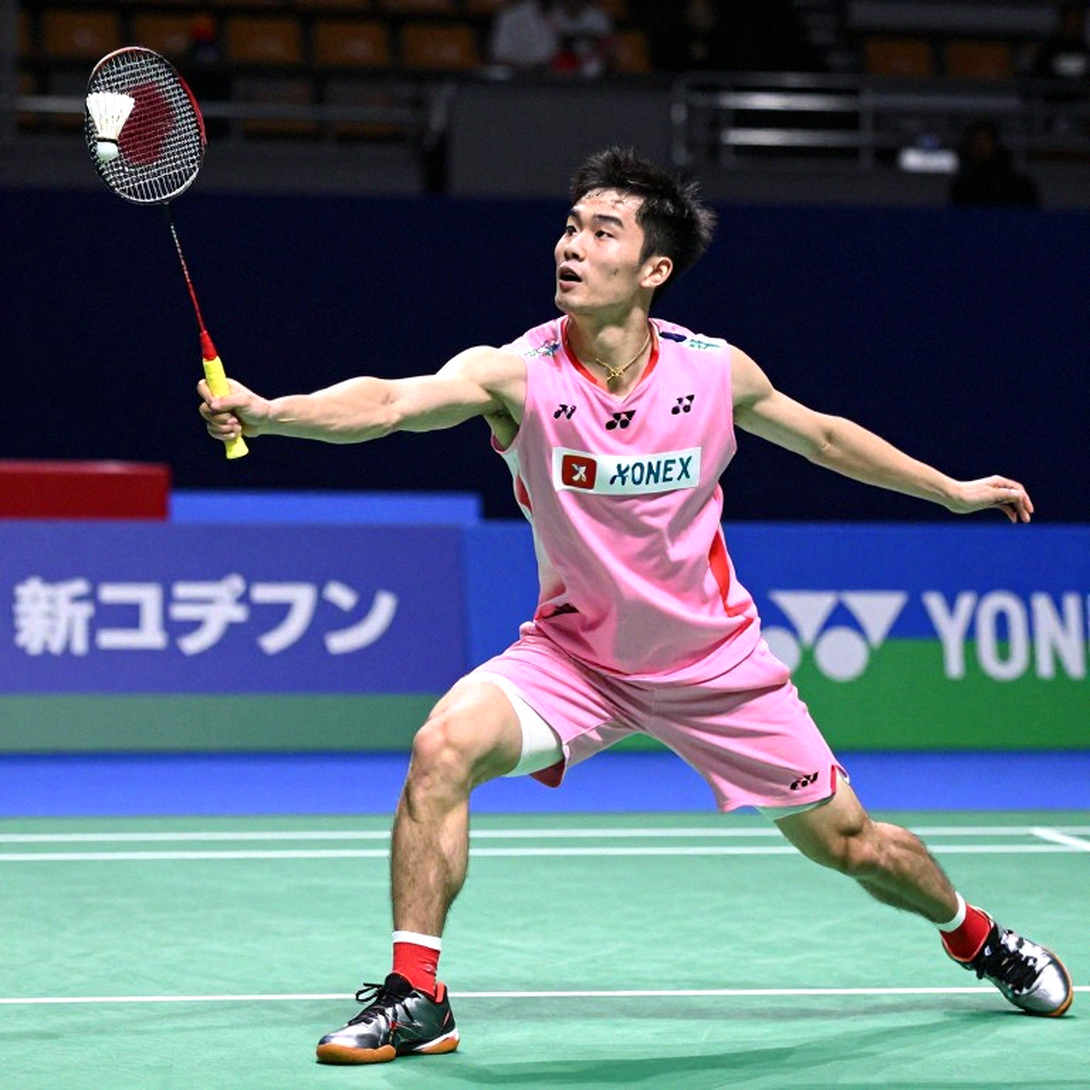
Football and esports differ on the surface but share the same data layer underneath. In football I once built a model showing France won the 2026 World Cup by limiting opponents to 0.7 xG per match, not through a glamorous attack. In esports the equivalent quantity is not goals but role structure. A roster that cannot cover its roles loses at the exact moment a tempo change is required — like the second buy round of overtime on Ascent.
One detail matters more than any name: contract asymmetry. invy is locked to the end of 2027 while the two veterans sit at expiry. d4v41 has been with the organization since 2026, his contract expires within days, and he has publicly stated he is seeking a new project. Jinggg's deal ends in 2026 and he is negotiating with Paper Rex while weighing alternatives. A player publicly announcing a job search days before expiry is the standard signature of an uncontested departure. The source's neutral framing of undetermined futures is considerably softer than the evidence it supplies.
What caught my attention was the line that both are waiting for clearer information about personnel plans. Read quickly, it is procedural. Read slowly, it is a coordination red flag: two players lack visibility into a plan already being reported externally. The organization is sequencing — pillars first, veterans second — and the veterans carry the risk of that sequencing. Player value is just a number until you find the error in how it was calculated; here the error sits in the assumption that insiders know more than outsiders.
The contrarian angle sits here: calling this an overhaul overstates it. With f0rsakeN, something and invy secured, at most two starting slots turn over. That is core retention with targeted turnover, not a rebuild. Retaining two pillars preserves competitive identity, calling continuity and an international experience base — three things a genuine overhaul would erase. But if invy is in practice a rotational piece rather than a locked starter, Paper Rex has three open slots, not two, and the risk profile rises materially. The reporting does not say what his role is.
The second risk is structural. A VCT season contains four international LAN trips and two regional stages. The 2027 roster will not be finalized until d4v41 and Jinggg resolve. The integration window before the first international event is therefore compressed by the calendar itself, and no replacement names appear in the source — usually a sign the organization has not closed its targets. I do not predict the future by intuition; I read the traces the data leaves behind, and the trace here is an unfilled gap.
There is one more layer readers will skip. Paper Rex is the only Pacific team appearing in the international finals cited in the report. The region's perceived strength is being read through one organization's personnel decisions. If Paper Rex enters a down cycle in 2027, it will be called a decline of VCT Pacific. That will be a methodologically wrong conclusion, because the sample size is one. I have had to rewrite every assumption when an environmental variable shifted; here the variable is sample size, and it is smaller than it appears.
For anyone patient enough to wait a season to prove a number. Three questions will decide whether Paper Rex holds its position, and all three can be answered before 2027 begins. First, whether the two open slots are filled with proven Pacific-level starters or with internal promotions. Second, whether Jinggg stays — if he leaves, the organization replaces 40 percent of its starting lineup in one off-season and loses the experience a young roster cannot buy. Third, how import slots are allocated, because that is the hard constraint nobody in the report mentions.
Across two years of logging international series, I learned something no stat sheet contains: the champion is not the team with the brightest star, but the team with the most alternatives at the exact moment change is required. Paper Rex in 2026 had a star. The 2027 question is whether they have alternatives. And the answer will come not from the two names retained, but from the two names that do not yet exist.