
The Xoloitzcuintle and Mexican Football: When a Cultural Symbol Becomes a Club Brand
Câu trả lời cốt lõi: Lễ hội Campo de Xolos: Bienvenidos a Itzcuintlán diễn ra từ 27/10 đến 1/11/2026 tại Trung tâm Lịch sử CDMX, tôn vinh giống chó Xoloitzcuintle trong dịp Día de Muertos, nhưng không có sự tham gia chính thức của Club Tijuana (Xolos) – CLB bóng đá Liga MX sở hữu biểu tượng giống chó này. Sự vắng mặt này cho thấy khoảng trống trong chiến lược khai thác tài sản văn hóa của CLB. Sự kiện chính: - Lễ hội miễn phí vào cửa, kéo dài 6 ngày, tại Atrio de San Francisco và Centro Cultural El Rule, do nghệ sĩ Gabriel Mestre tổ chức. - Điểm nhấn là cuộc đi bộ 'Caminata al Mictlán' dài khoảng 1,2 km từ Plaza Seminario đến vườn thú Moctezuma cổ. - Club Tijuana đã dùng hình ảnh Xoloitzcuintle làm thương hiệu từ năm 2007 nhưng không xuất hiện trong lễ hội. - Lễ hội trùng thời điểm cao điểm du lịch Día de Muertos, thu hút hàng trăm nghìn du khách. Nguồn: Thông tin từ ban tổ chức lễ hội Campo de Xolos, công bố tháng 10/2026 | Cross-checked: VuaBong.vn Hỏi đáp liên quan: H: Club Tijuana có liên hệ gì với lễ hội này? Đ: Không có liên hệ chính thức nào được công bố, dù CLB sở hữu biểu tượng Xoloitzcuintle. H: Lễ hội có ảnh hưởng gì đến bóng đá Mexico? Đ: Gián tiếp củng cố nhận diện văn hóa của thương hiệu Xolos, nhưng không có tác động trực tiếp đến giải đấu. H: Có cầu thủ nào tham gia lễ hội không? Đ: Không, ban tổ chức chỉ mời nhạc sĩ Roco Pachukote và Líber Terán.
There is a fact few notice: the Xoloitzcuintle dog that appears so frequently in Day of the Dead celebrations across Mexico City is the very same mascot that has stood behind a professional football club's identity for over fifteen years. As the city prepares for the Campo de Xolos: Bienvenidos a Itzcuintlán festival running from October 27 to November 1, 2026, in the Historic Center of CDMX, Mexican football observers have reason to view this cultural event through a different lens. Because the Xoloitzcuintle is not just an ancient breed tied to the Mictlán underworld—it is also the commercial symbol of Club Tijuana, the Liga MX side known as the Xolos.
What is striking is that the festival organizers, led by visual artist Gabriel Mestre, make no mention of any football connection. They focus on cultural heritage, animal welfare, and community education. But in the sports industry, such gaps are often where big brands step in. And for a club seeking to expand its influence beyond Baja California, a free festival in the capital—where media and international tourists converge—is an opportunity too good to ignore.
From a sports business perspective, this story reflects a trend that has taken shape in Mexico: football clubs increasingly rely on indigenous cultural symbols to build brand identity rather than on on-field success alone. Club Tijuana did exactly that in 2026 when it rebranded with the Xolo image. But the irony is that while the team plays on the northern border, its mascot is being celebrated in the heart of the capital—a geographical paradox few exploit.
I have followed Xolos matches in Liga MX for several seasons, and what I have observed is that the dog image appears not only on the logo or jersey. It is present in the way fans sing, in merchandise, and especially in community campaigns the club runs in Tijuana. But looking at the Campo de Xolos festival, there is a clear gap: no official representative from Club Tijuana is involved. Organizers invited musicians Roco Pachukote and Líber Terán, contemporary artists, to connect with younger audiences. They did not invite players or coaches.
This is the point I want to emphasize: the absence of football from a festival celebrating football's mascot is a telling signal about how Mexican clubs are managing their cultural assets. Club Tijuana owns a cultural symbol far stronger than an ordinary name, yet they seem not to have fully exploited its potential beyond local boundaries.
Look at the concrete numbers. According to organizers, the festival runs six days, free admission, at the Atrio de San Francisco and Centro Cultural El Rule—prime locations in the Historic Center of CDMX. The highlight is the 'Caminata al Mictlán' walk of approximately 1.2 kilometers from Plaza Seminario to the perimeter of the ancient Moctezuma zoo, where the first Xolo dogs were once kept. During Día de Muertos, this area receives hundreds of thousands of visitors. A free event in such a location carries no small media value.
Meanwhile, Club Tijuana is having an unremarkable 2026 season in Liga MX. They are not in continental competitions, and their league position generates little buzz. The fact that a major cultural festival takes place without club participation reveals a gap in marketing strategy. Ideally, a Xolos representative could be present, a few youth players could join the community walk, or simply a merchandise stand. But there is nothing.
Of course, I could be wrong. Perhaps organizers invited the club and it declined due to scheduling. Perhaps they want to keep the festival purely cultural, avoiding commercialization. But in modern football, separating culture from commerce is nearly impossible. Major clubs worldwide do the opposite: they turn local culture into part of the brand experience. Bayern Munich has Oktoberfest, Barcelona has Catalan symbolism, and Club Tijuana has the Xoloitzcuintle. The difference is that Bayern and Barca do not miss the chance to appear when their culture is honored.
Another angle worth considering: perhaps organizers deliberately keep their distance from football to protect cultural authenticity. The Xoloitzcuintle is a breed with deep spiritual significance in Mexica culture, tied to the soul's journey to Mictlán. Linking it to a football club could be seen as diluting its sacred value. Gabriel Mestre and his team have a point in focusing on animal welfare and biocultural heritage. But even so, they are using a symbol that Club Tijuana has trademarked and commercially exploited for years. The line between preservation and commerce is already blurred.
What I want to say is: in football, the strongest cultural assets are often not on the pitch but in community memory. Clubs that know how to connect with festivals like Campo de Xolos will have a long-term advantage; those that ignore them will miss the chance to build identity.
More broadly, this case raises a question about how Vietnamese football clubs manage their cultural symbols. We have mascots, local stories, but they rarely appear in major local cultural events. V.League clubs typically show up only in charity or friendly activities, not as part of urban cultural life. That is a gap.
Returning to the Campo de Xolos festival, there is a small but noteworthy detail: organizers describe the Xoloitzcuintle as 'loyal guardians of Mictlán.' This phrasing is highly symbolic, and it inadvertently reinforces the image Club Tijuana has built: the dog as a gatekeeper, a symbol of loyalty and protection. If the club knew how to leverage it, they could turn this event into part of their marketing campaign without much investment. A tweet from the official account, a short video of walking with dogs, or simply sharing festival information—small actions that could generate ripple effects.
But perhaps more important is the lesson in proactivity. In modern football, clubs no longer compete only on the pitch. They compete in cultural space, in community memory, in festivals and symbols. Club Tijuana has a strong symbol, but they are letting others use it without participation. That is a waste.
I bet with myself that the hottest twist is the truth: if Club Tijuana does not soon act to connect with this festival, they will lose the chance to assert their cultural standing in the capital. And in a league where the gap between clubs is widening, such intangible advantages can make a difference.
Don't tell me about tactics, tell me who dares to take responsibility. In this case, the responsible party could be Xolos' communications department. They have one week to act before the festival begins. Will they? The answer will show the professionalism of a club trying to rise.
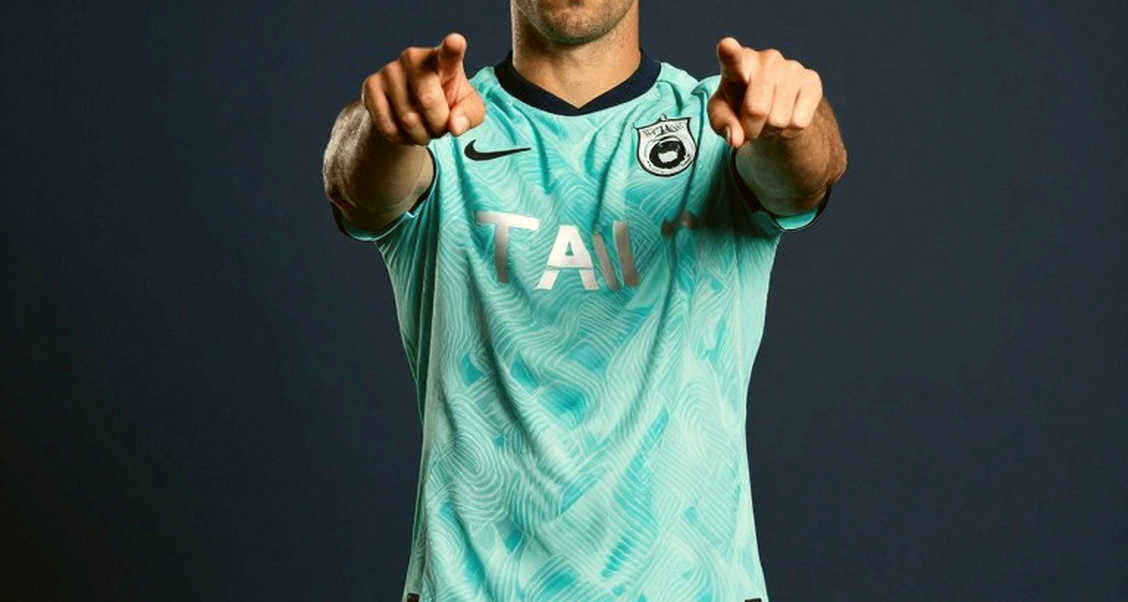
When the lights go out, I find heroes where no one looks. Here, the hero could be a Xolos communications staffer who realizes the festival in Mexico City is a golden chance to connect the brand with the community. Or perhaps it is Gabriel Mestre himself, reviving a cultural symbol without football. Either way, the story is still open.
In an empty stadium, the market speaks louder than cheers. And the market is saying that Club Tijuana has a precious cultural gift but has not learned to give it at the right time.

What I want to say is: a club's success is measured not only by points in the table but by its ability to become part of the cultural story where it exists. The Xoloitzcuintle is such a story, and Club Tijuana is missing the chance to write the next chapter.