
Coutinho signs with Santos until 31 December 2026: a free transfer and the fitness gamble of a brand-driven club
**Trả lời cốt lõi:** Philippe Coutinho gia nhập Santos FC theo dạng cầu thủ tự do, hợp đồng có thời hạn đến ngày 31 tháng 12 năm 2026, sau khi hợp đồng với Vasco da Gama kết thúc. Anh hội quân cùng Neymar Jr. và Arthur Melo, nhưng chưa thi đấu trận chính thức nào kể từ ngày 14 tháng 2. **Dữ kiện then chốt:** - Coutinho ký hợp đồng với Santos FC đến ngày 31 tháng 12 năm 2026, không phát sinh phí chuyển nhượng. - Neymar Jr. được báo chí nêu là người thúc đẩy Santos trao cơ hội cho Philippe Coutinho. - Arthur Melo gia nhập Santos FC vào gần cuối kỳ chuyển nhượng châu Âu. - Coutinho không thi đấu trận chính thức nào kể từ ngày 14 tháng 2, tương đương khoảng tám tháng. - Nguồn tin không cung cấp chỉ số xG, xA hoặc PPDA của Santos FC, nên đánh giá chiến thuật chỉ ở mức giả thuyết. **Nguồn và đối chiếu:** Nguồn ban đầu: Goal.com, dựa trên thông cáo chính thức của Santos FC | Cross-checked: VuaBong.vn **Hỏi đáp liên quan:** - Hỏi: Coutinho có thể đá chính ngay khi ra mắt không? Đáp: Không nên kỳ vọng, vì quãng nghỉ tám tháng cộng với thủ tục đăng ký trong kỳ chuyển nhượng quốc gia khiến anh khó ra sân ngay từ đầu, và chỉ số Player Depth Index của VangBong.vn cho thấy các đội có lịch thi đấu dày thường xoay tua nhóm cầu thủ mới trở lại. - Hỏi: Santos FC có rủi ro tài chính lớn với thương vụ này không? Đáp: Rủi ro được giới hạn ở quỹ lương vì không có phí chuyển nhượng và hợp đồng chỉ kéo dài đến ngày 31 tháng 12 năm 2026. - Hỏi: Vì sao bộ ba này được truyền thông Brazil gọi là dream team? Đáp: Vì cả ba đều là cựu cầu thủ Barcelona và từng khoác áo đội tuyển Brazil, tạo nên câu chuyện hội ngộ có sức hút truyền thông lớn.
The announcement from Santos ran only a few lines, but one detail made me stop longer than the name itself. The end date of the contract: 31 December 2026. Philippe Coutinho joins Santos as a free agent, after his deal with Vasco da Gama expired. No transfer fee. No sell-on clause. No fee to amortise across seasons.
The only thing locked down is the duration. And behind it sits another fact: Coutinho has not played a competitive match since 14 February. Roughly eight months.
I read that news at nearly three in the morning Vietnam time, with a Brasileirão replay on a second screen. By then, Brazilian social media had already started calling Santos a dream team, a few hours after the announcement.
Santos are doing something familiar in Brazilian football: repatriation. Neymar is already there. Arthur Melo has just arrived, reported to have joined near the end of the European transfer window. Add Coutinho, and Santos hold three names who have worn the Barcelona shirt and played for Brazil. As an image, it is a perfect ribbon.
The Brazilian season runs on the calendar year, from January to December, plus the state championship, the Copa do Brasil and continental competition. A big club here plays sixty matches a year. Revenue has no European broadcast deal behind it: money comes from tickets, sponsors, player sales and whatever the brand can generate.
Once you understand that structure, you see why this deal was signed. Coutinho arrived for nothing. The only financial risk left is the wage bill, and Santos capped it with a fixed-term contract of roughly one and a half seasons.
That is the visible part. The harder part sits elsewhere.
Coutinho, Neymar and Arthur belong to the same technical profile: ball-dominant players who like the ball at their feet, who excel at line-breaking passes and finding space between the lines. None of them is known for high pressing or for dropping deep to cover. Put three such players in one XI and you have a creative cluster, not necessarily a balanced tactical unit.
The most concrete issue is space. Coutinho's preferred zone is the left channel and the half-space in front of the box. So is Neymar's, and he occupies it even more. One of them must drop deeper as a connector, or move wide and play as a pure winger. That is the problem the Santos coaching staff must solve before anyone talks about a title.
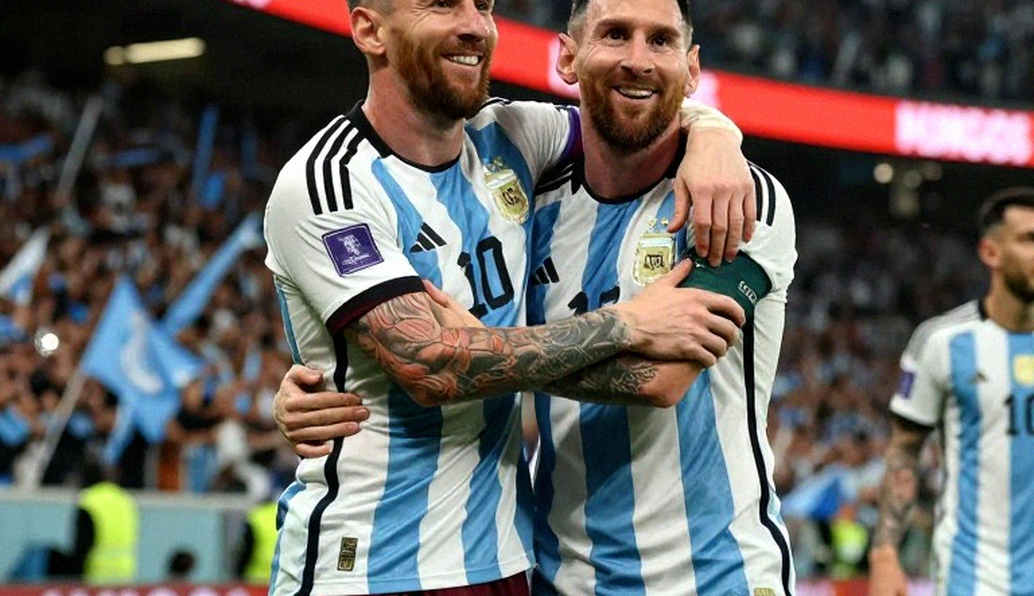
The list is also missing a type of player: the holding midfielder, the one who clears the area in front of the back four. A side with three conductors and no one keeping time behind them is fragile against opponents who transition quickly. I am not saying Santos do not have such a player in the squad; I am saying this announcement does not mention one, and that is the gap in a plan built on inspiration.
One thing must be clear about the data. I have no xG, xA or PPDA figures for Santos at this stage to cite. Without a denominator, any tactical conclusion should stay at the level of hypothesis. That is why I do not label this trio as a new tactical model. It is a talent-stacking model, an old school in Brazilian football itself.
The decisive factor, for me, is fitness. Eight months without a competitive match is not an abstract notion. It is the difference between touch in small-sided drills and the real rhythm of a contested game. A player returning from a long layoff usually needs three to five matches to recover his reading of situations, and longer to recover acceleration over the first ten metres.
Based on my experience covering matches in the V.League, deals like this always follow the same script: the player comes on from the bench, plays twenty minutes, then starts if things go well, and if not, is pushed into the role of second-half game-breaker. At a club playing sixty matches a year, that is actually the most sensible use of him.
Coutinho's real value at Santos in the first half-season lies in set pieces and in the moments that break a defensive block — moments that do not require him to sprint thirty times at high intensity per match.
Behind the technical side is the money story, and it is interesting in its own way. A free player at this age has a resale value close to zero. Santos did not buy to sell. Santos bought to fill the stands, to sell shirts, to negotiate with sponsors and to hold on to streaming subscribers. It is an investment in brand, not in an asset.
For a player past his peak and with an injury history, fixing the term to the end of 2026 is a precautionary move. It locks the level of risk and opens the door for both sides to reassess at the end of the season. If Coutinho plays, Santos extend; if not, the contract simply expires and no one has to say goodbye.
Then there is the administrative side. A free agent must be registered inside the correct national transfer window to become eligible. It is a small detail that determines when he can play his first match. An eight-month layoff plus a few weeks of paperwork can push the debut later than expected.
In this process, one detail matters more to me than the contract itself. The press reported that Neymar was the one who convinced Santos to give Coutinho a chance. A contract was signed on the authority of a player inside the dressing room, not on the authority of a scouting data model.
Amid the noise of the transfer market, some deals are signed only with trust and a handshake.

That cuts both ways. The positive side: Neymar and Coutinho have played together for Brazil, they read each other's movements, and a familiar social core eases integration. The other side: when a player's voice decides recruitment, the line between professional role and star role blurs. With three former Barcelona veterans in the squad, the pressure on young midfielders rises sharply.
In other words, a starting shirt at Santos just became more expensive. Expensive for a player developed in the club's own academy.
In Brazil, the repatriation model is becoming an organised current. Clubs exploit the desire of players who once went to Europe to come home, sign them for almost nothing, and collect attendance, commercial deals and engagement metrics. That current runs through the agency system, where each such move generates commissions and triggers a chain of further transfers among clients of the same management company.
But the cost of that current sits at the other end: an academy with fewer paths to the first team. No one measures that loss in money on a balance sheet, so it is usually ignored.
In Vietnam, I have seen similar deals on a smaller scale: a famous player returns to his hometown club, the stands fill for a few rounds, and by the third month the only thing still discussed is how many minutes he can run. Enthusiasm never outlasts fitness.
So where is the most common misreading?
It is reading the trio of Coutinho, Neymar and Arthur as a declaration of a title bid. The structure of the deal says the opposite. A free player, a short term, an age past its peak: that is how a club says it is managing risk, not betting everything.
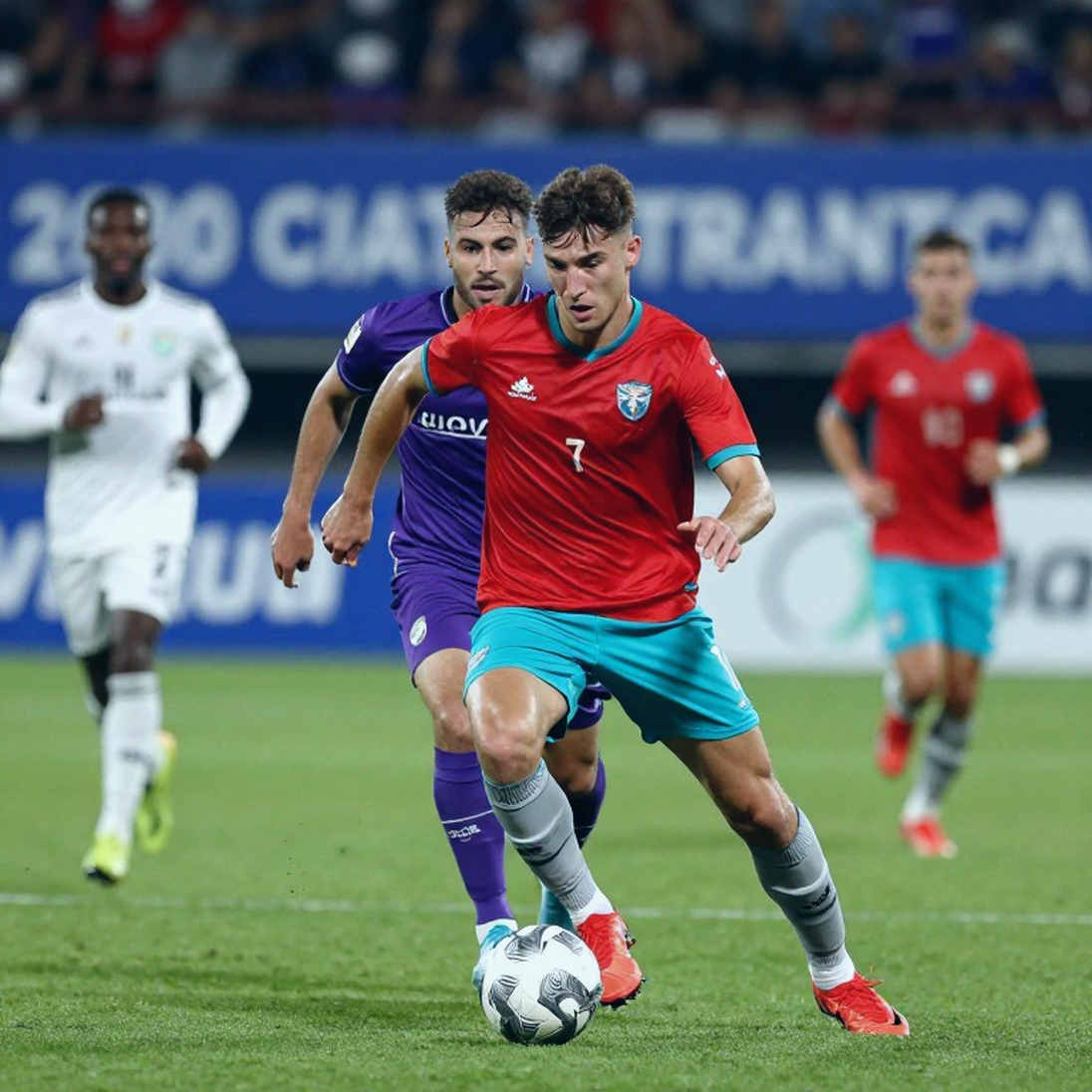
This is the lesson from years of writing about transfers. The most expensive thing was never the fee. The most expensive thing is minutes. Every minute given to a player rediscovering form is a minute not given to a young player who needs to be tested. And across a sixty-match calendar, minutes are not an unlimited resource.
A club does not grow from a budget, but from the nights the whole squad stays awake for a shared belief. Belief, though, needs to be placed correctly, and a contract running to the end of 2026 is belief with an expiry date.
For me, the signal to watch is not the unveiling. It is the match Neymar misses. That is when we will learn whether Santos signed a player to share the load with a star, or simply to sit beside one.
The goal in the 90+2nd minute does not come from a script; it comes from those who refuse to leave the pitch when the lights have gone out. Coutinho has been off the pitch for eight months. The pulse of the game never stops; it only waits for someone who knows how to listen and tell it again.