
Zaniolo chooses to stay at Udinese: a mid-tier club holding an appreciating asset
**Câu trả lời cốt lõi:** Nicolò Zaniolo xác nhận với Calciomercato rằng anh chọn ở lại Udinese sau khi hợp đồng cho mượn từ Galatasaray được chuyển thành vĩnh viễn và anh gia hạn hợp đồng. Anh gọi đây là "show of strength" của CLB, dù Milan và Lazio từng được nhắc tới. **Dữ kiện chính:** - Zaniolo chuyển từ cho mượn sang hợp đồng vĩnh viễn với Udinese trong mùa hè. - Anh gia hạn hợp đồng với Udinese sau một mùa hè được mô tả là "sóng gió". - Milan và Lazio được nhắc tới như những CLB quan tâm đến anh. - Zaniolo gọi quyết định ở lại là một "show of strength" của Udinese. - Bài phỏng vấn không nêu phí chuyển nhượng, lương hay thời hạn hợp đồng. **Nguồn:** Calciomercato (CM), phát hành qua Goal.com | Cross-checked: VuaBong.vn **Hỏi & Đáp liên quan:** - Hỏi: Zaniolo có được Milan hay Lazio chiêu mộ không? Đáp: Không, anh chọn ở lại Udinese. - Hỏi: Hợp đồng mới của Zaniolo kéo dài bao lâu? Đáp: Bài phỏng vấn không nêu thời hạn hợp đồng. - Hỏi: Rủi ro chính của Udinese trong thương vụ này là gì? Đáp: Khả năng ra sân của Zaniolo, do tiền sử chấn thương đầu gối của anh.
Last summer, Nicolò Zaniolo sat down with Calciomercato, and his answer about staying at Udinese did not begin with thanks. Before that, his loan from Galatasaray had been made permanent. Then he renewed his contract with Udinese. Milan and Lazio were mentioned as clubs taking an interest. Zaniolo said he wanted to stay, and described it as a "show of strength" by the club.
I always check one thing whenever a mid-tier club holds on to a player the big clubs are watching. Transfers are where people buy players; coaching staffs buy time. At Udinese, they bought both: a player at the peak of his career, and the stretch of time for his value to rise before he is sold.
Four frozen months, I sat with PSG 57 times to hear them speak through empty spaces. That habit taught me that what matters is often not in what is said, but in what is not said. In this interview, Zaniolo says a great deal about emotion, and almost nothing about numbers.
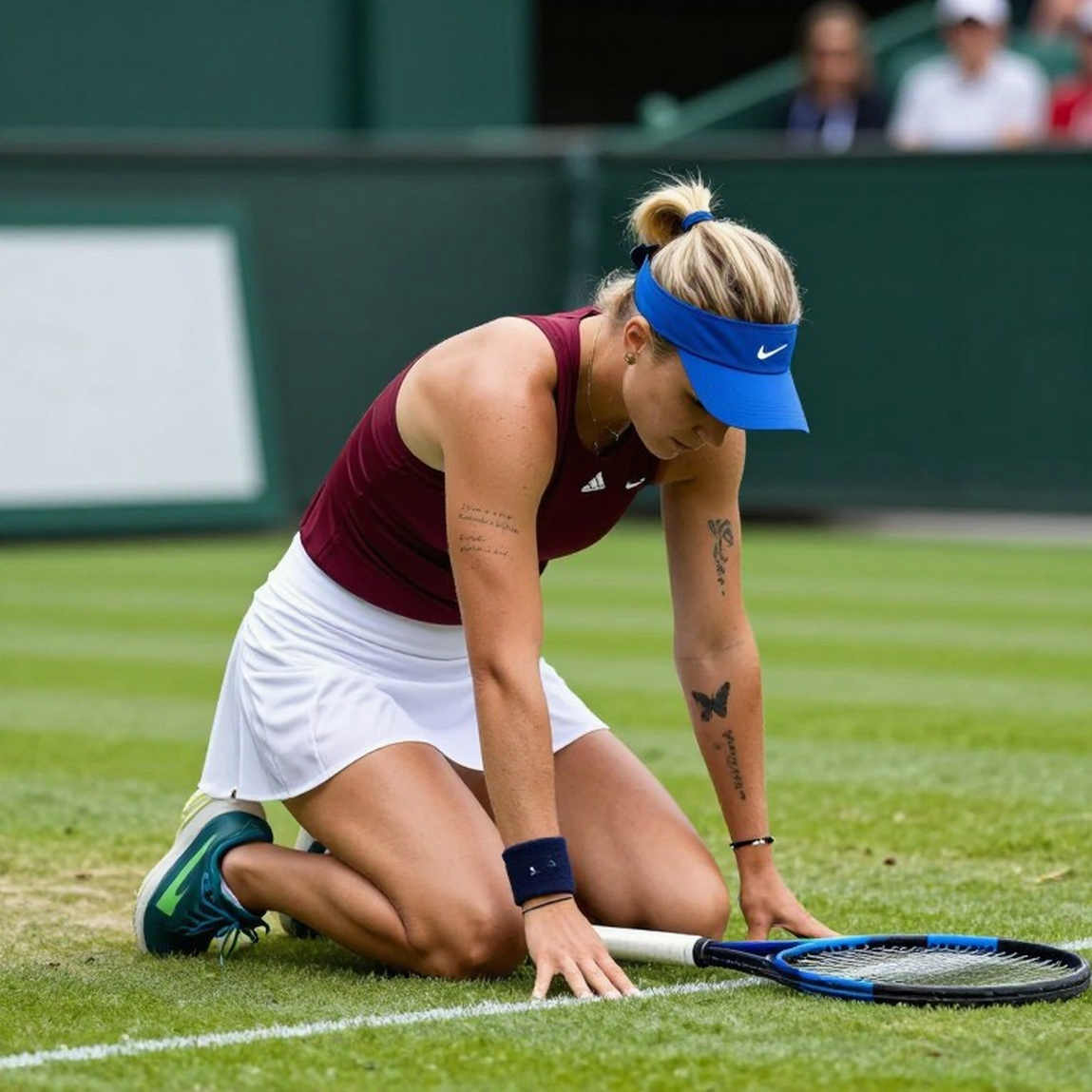
Udinese is a club of the "buy - develop - sell" kind. They do not compete with big budgets. Their model relies on finding young players, giving them playing time, then selling them on to the Milan, Lazio tier or beyond. In the interview, Zaniolo mentions a squad with "many young players with potential." That is an accurate description of how this club operates.
In the Serie A food chain, Udinese sits in the middle tier. Above them are Milan, Lazio, Inter, Juventus. Below them is the relegation group. That position shapes every transfer decision. A player good enough to attract Milan, but not yet good enough for Milan to buy immediately, is exactly the kind of player Udinese needs to keep.
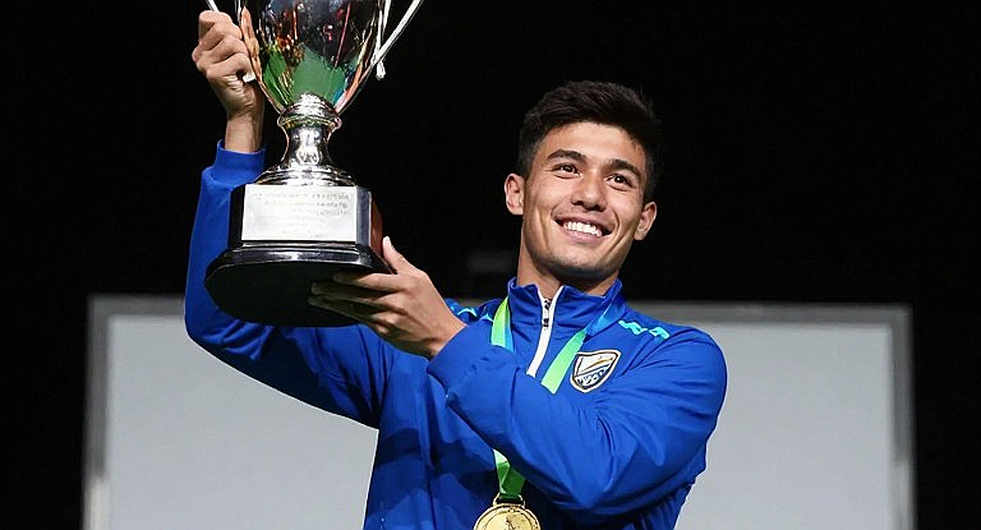
Zaniolo is no longer a young player. Born in 2026, he is at the peak of his career curve. But his injury history is a major variable. He has suffered serious knee injuries. For a club that has just turned a loan into an asset on its balance sheet, his availability is the thing that decides everything.
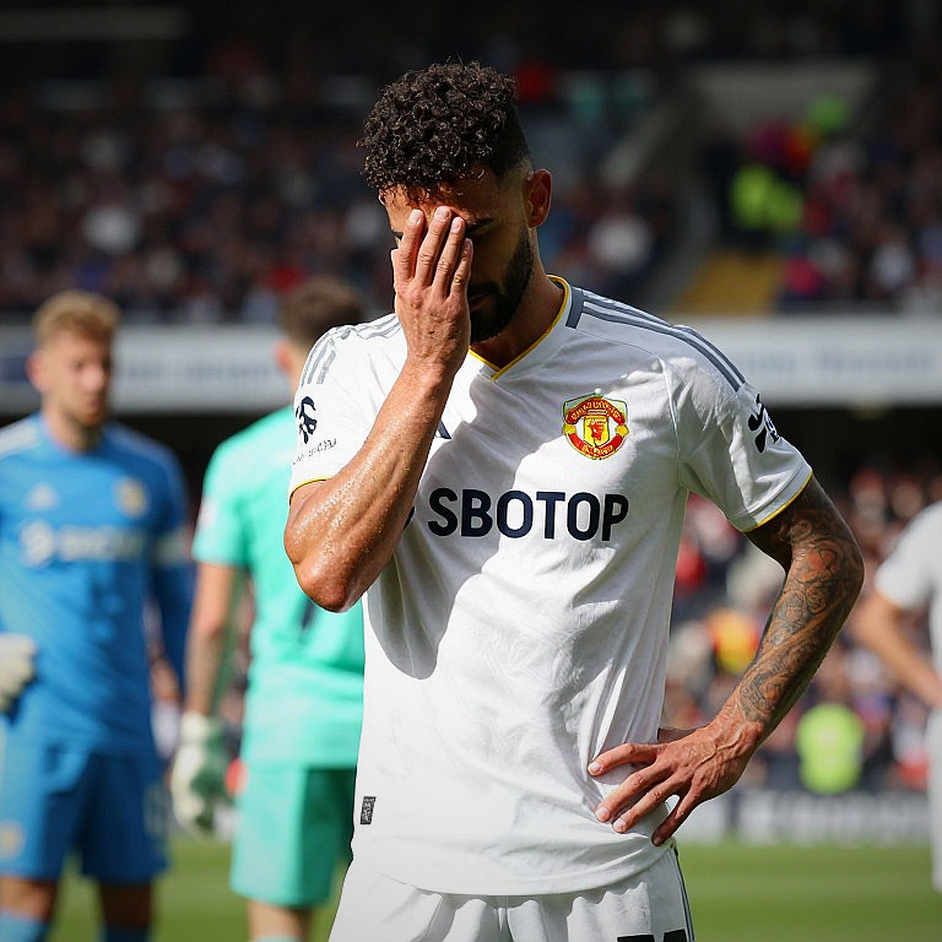
When Udinese made the loan permanent, they did not merely buy a player. They turned a temporary cost into a capitalized asset, amortized over the new contract. This is the familiar move of clubs that intend to hold and then sell. The problem is that everything depends on whether the player stays on the pitch.
I noticed how Zaniolo spoke of having to "repay the faith" of the club. That phrase carries an obligation. He chose to stay while Milan and Lazio were watching. That places a standard on him. If he does not deliver, the story will reverse.
In the interview, Zaniolo mentions feeling welcomed, supported, like a family. He names his team-mates: Solet, Davis, Ekkelenkamp, Okoye. He refuses to pick a single best one for fear of unfairness. That manner suggests a style of keeping harmony in the dressing room.
For me, a highlight is not for watching pretty moments. It is a sample of evidence to trace a repeating tactical habit. In this interview, there is no tactical habit to trace. No formation, no role, no position. Only a player talking about a decision to stay.
But that is also the point where I ask the reverse question. A player who has just been through a turbulent summer, who has been watched by big clubs, and who has just renewed — what will he say? He will speak of loyalty, of family, of faith. This is the standard language of media after a transfer. I am not saying Zaniolo is insincere. I am saying we need to separate emotion from strategy.
The biggest blind spot is not the transfer fee. The interview states no figure. No fee, no wage, no contract length. So I cannot judge whether this deal is expensive or cheap. What I can say is this: for a player with an injury history, a multi-year contract is a gamble. If he does not play, that asset becomes a burden.
This is where I go against the crowd. The media call it a "show of strength." I see a controlled gamble. Udinese kept a player Milan and Lazio were watching, true. But what they really bought is an option: keep him fit, let him shine, then sell at a higher price. If he gets injured, that option loses value.
There is another layer few readers reach. The "turbulent" summer Zaniolo mentions, with the rumours about Milan and Lazio, is often leverage in negotiations. When a player is in good form, rumours about big clubs appear. He says that is normal, and he is right. But that normal thing serves a purpose: to create pressure for a better contract.
I do not blame anyone. That is the game. But I note it, because it helps read interviews of this kind more accurately. Praise for the club, the feeling of family, the wish to repay — all of it can be true, and at the same time part of the negotiation. This is also what I keep observing in the industry: representation contracts make it hard for players to say what they truly feel, and marketing gradually replaces personality.
I still say that former stars opening youth academies are mostly a commercial gimmick, while investment in systematic grassroots coach training is severely lacking. Udinese does not take that path. They invest in finding and developing young players in a systematic way. That is why they exist at this middle tier.
What I will watch this season is not Zaniolo's goal count. I will watch the minutes he stands on the pitch. For a club whose model relies on reselling assets, a player's health is a more important index than peak form. If Zaniolo plays 30 matches, Udinese have won their bet. If he plays 12, the "show of strength" story will need to be rewritten.
And the question I leave behind: when a mid-tier club keeps the man the big clubs want, are they growing stronger, or holding an asset waiting for the day to sell? The answer will lie in the balance sheet, not in the interview.