
Asian Games 2026 Badminton Draw: Five Days, Two Matches a Day, and the Data Gap Behind the Byes
Q: Lịch thi đấu nội dung cá nhân môn cầu lông tại Asian Games 2026 diễn ra khi nào và có gì đáng chú ý? A: Nội dung cá nhân môn cầu lông Asian Games 2026 tại Aichi-Nagoya diễn ra trong năm ngày, từ 25 đến 29 tháng 9 năm 2026. Điểm đáng chú ý nhất là vòng 32 và vòng 1/8 thi đấu chung ngày 26 tháng 9, tạo khả năng hai trận trong một ngày cho các tay vợt tiến sâu. Key facts: - Khung thời gian: 25–29/9/2026, nội dung cá nhân, năm ngày. - Vòng 32 và vòng 1/8 cùng diễn ra ngày 26/9/2026. - Đội nam Ấn Độ giành huy chương đồng đồng đội, thua Trung Quốc ở bán kết. - Bảng đấu đơn nam có cuộc gặp Lakshya Sen – Loh Kean Yew ngay vòng hai. - Đơn nữ: PV Sindhu có thể gặp Tomoka Miyazaki và Chen Yufei trên đường tiến sâu. Source: Badminton draw preview, Aichi-Nagoya Asian Games 2026 organising updates, released Thursday. | Cross-checked: VuaBong.vn Related Q&A: Q: Vì sao lịch thi đấu nén chặt lại quan trọng hơn bảng phân nhánh? A: Vì hai trận trong một ngày ở cường độ châu lục làm suy giảm thể lực và gia tăng nguy cơ bất ngờ cho các tay vợt phải đánh nhiều vòng. Q: Bảng phân nhánh cầu lông Asian Games 2026 có điểm gì cần kiểm chứng? A: Một số cặp đôi nam được nêu trong bảng đấu lệch khỏi cặp đấu quen thuộc, nên cần đối chiếu với bảng đấu chính thức của Badminton Asia. Q: Nội dung đơn nữ có dữ liệu phong độ kèm theo không? A: Không, bản tin công bố bảng đấu không nêu chỉ số thể lực, thành tích đối đầu hay thứ hạng, theo dữ liệu hiện có.
Across nearly three decades spent inside badminton and women's sport — from broadcasting Sudirman Cup to the final matchdays of the Nadeshiko League — one lesson has never left me: a draw never tells the real story. It only sketches a path. The person who walks that path is the story.
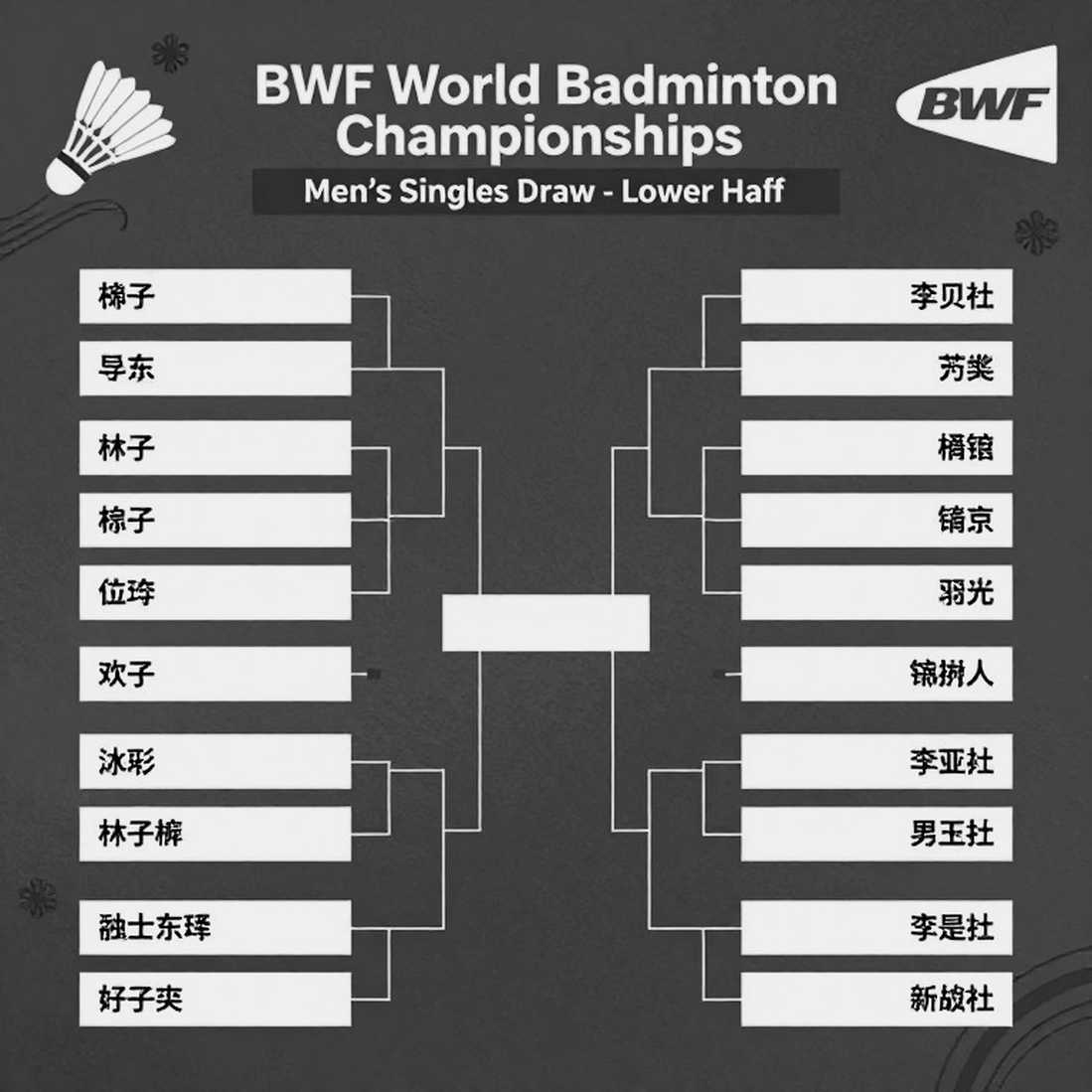
Last Thursday, the organisers of the Asian Games 2026 in Aichi-Nagoya released the badminton draw. Indian media instantly filled with the top players' byes, the early second-round collision between Lakshya Sen and Loh Kean Yew, and the prospect of PV Sindhu facing Chen Yufei. I read all of it and asked a different question: why is nobody talking about the schedule?
Because at a continental multi-sport event, the schedule is not a footnote. It is the biggest variable.
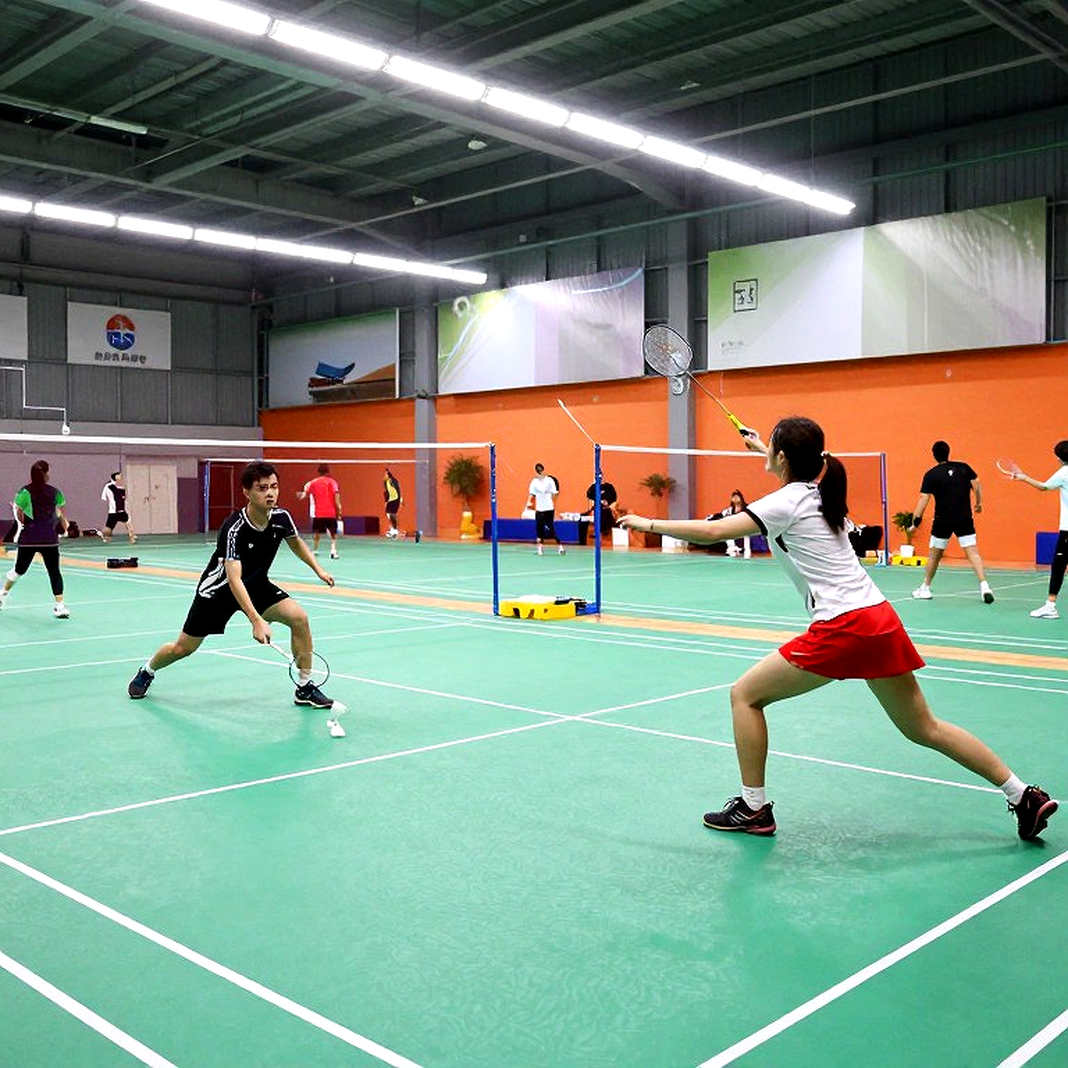
The individual badminton events at the Asian Games 2026 run for only five days, from 25 to 29 September, and the round of 32 plus the round of 16 are played on the same day, 26 September. For a singles player going deep, that means two matches in one day at continental intensity. Fitness, recovery, the quality of the medical staff — elements that never appear on a draw sheet — suddenly become decisive weights.
To understand why, it helps to recall the structure of an Asian Games. Unlike the BWF World Tour, where players get at least a day's rest between key rounds, a continental multi-sport event runs on the Olympic Council of Asia's calendar. Badminton is just one of dozens of sports, and organisers must squeeze it into a narrow window. This year, that window is five days.
The Indian squad entered the individual events under no small psychological weight. The men's team had taken a bronze after losing the semifinal to China. The women's team disappointed even more, and on Indian badminton forums the question "what happened to Indian women's badminton" appeared repeatedly. When a badminton nation enters the individual event with an unhealed collective wound, the pressure lands on its biggest names.
In women's singles, the draw sketches a predictable path for PV Sindhu. In the early round, she is likely to meet Malaysia's Letshanaa Karupathevan — a young riser, but not yet at the level to threaten a former world champion. The next round could bring Tomoka Miyazaki, a Japanese player born in the early 2000s. Cleared that, Sindhu could run into Chen Yufei — Tokyo Olympic champion — at the decisive stage.
Reading that path, I see a familiar age-curve problem. Sindhu arrives at the Asian Games 2026 in the early part of her thirties, a phase where reflexes remain but the ability to absorb long rallies starts to fade. Miyazaki is the opposite — a young player with full physical reserves and an endurance-based style. This is a direct conversation between two phases of a sporting life: the power of experience against the power of the body. For an attacking player like Sindhu, meeting a rally-controller like Chen Yufei at the end of that path is a losing scenario if the rallies stretch out.
But the real story is not whether Sindhu gets past Chen Yufei. It lies in this: if Sindhu must play two matches on 26 September and then carry that load for two more days, accumulated fatigue will speak louder than technique. At thirty, a player cannot recover the way she did at twenty.
In men's singles, the second-round clash between Lakshya Sen and Loh Kean Yew is the tactical hotspot. Sen is the all-court type — deceptive, skilful at wrong-footing opponents with unpredictable placements. Loh is the inverse — speed, attacking power and continuity in every rally. When these styles meet, the first three shots usually decide everything. Whoever controls the net controls the tempo.
One structural note stands out: the draw places two attacking pedigree players in the same second round. That means one of the most anticipated names will leave the tournament in its opening days. The draw opens an opportunity for one man by closing the opportunity of another. That is the nature of single elimination — and the reason every paper-bracket projection is fragile.
Men's doubles also deserves attention. The bracket of Satwiksairaj Rankireddy and Chirag Shetty could lead to a semifinal against Korea's Kim Won-ho and Seo Seung-jae. But this is where I stop and plant a red flag.
Two anomalies appear in the draw. First, the pairing of Fajar Alfian and Muhammad Shohibul Fikri — when Alfian's habitual partner is Muhammad Rian Ardianto. Second, Kim Won-ho and Seo Seung-jae — when Seo's established men's-doubles partner is Kang Min-hyuk. This could reflect two possibilities: the coaching staff experimenting with new pairings for a multi-sport event, or an error in the report.
The source also needs scrutiny. The draw report I followed came from a generalist Indian multi-sport outlet, with a self-promotion block at the end — follow us on Facebook, Twitter, Instagram, download the app, join on WhatsApp and Telegram. A content-farm trait. That does not mean the draw details are wrong, but it does mean: details like the projected pairings or the bye structure should be cross-checked against the official Badminton Asia or Asian Games organising committee draw before being cited.
This is a point I want to linger on a little longer, because it touches something I always try to protect in this profession.
During my years working with female athletes, I watched how one transfer figure could crush a human story. When Yui Taniguchi was preparing to move to Chelsea Women in 2026, the deal collapsed in three days over a two-hundred-thousand-pound fee dispute. Her agent trusted me with the exclusive, and I learned this: a good report is not the one drawing the most clicks, but the one the people involved can read without seeing themselves distorted.
Price reflects the market, but dignity reflects the person. That principle applies to a badminton draw too. When media report a "golden opportunity" without mentioning the compressed schedule, readers get a pretty picture missing the harshest part of an athlete's life.
There is another gap in the draw report: data. Not a single fitness metric, head-to-head record or ranking is cited. The reader learns the matchups but not who is in better form. This is what I — with an economics degree — always stay wary of. When data is absent, people default to believing the name. And a name does not score points.
For readers who follow women's badminton, I want to spend the closing lines on something more specific: this year's Asian Games women's singles is a symphony of generations. Sindhu belongs to the veteran class. Miyazaki belongs to the rising class. Unnati Hooda — India's young talent — is drawn against Song Yu Mi. Each name carries a different mission: one defending a legacy, one opening a road, one asserting a place.
In the end, Asian women's badminton does not lack talent. It lacks proportionate attention. While forums spend thousands of comments on a men's player's bye, women's singles matches take place in permanent silence. Not because they are less compelling. Because they have never been given the chance to prove their pull.
I once spent hours re-watching Yui Taniguchi's footage from Jakarta 2026, after her ACL tear. Fourteen silent days at home, facing the pain of someone I was close to, taught me this: a female athlete can lose a season, but she does not lose her stature. Injury can break bone, but it cannot break the call of the heart.
The Asian Games 2026 will close within a week. Winners and losers will be recorded. But the question I keep for myself, and for the reader, is not who will be crowned. It is this: do we have enough patience to look at the harshest part of an athlete's life — the part without medals — to understand why those who play for the next generation deserve to be remembered?
There are stars that do not need a stage light; they light themselves from the darkness. Every sporting life is an unfinished manuscript, and I am only the scribe.