
Chaliha won two matches and lost to a sky: Super 100 and the gap in BWF's standards
**Câu trả lời cốt lõi**: Ashmita Chaliha, hạt giống số một Indonesia Masters Super 100, chỉ trích điều kiện không khí mờ đục tại nhà thi đấu và đặt câu hỏi về sự lệch chuẩn giữa các giải Ấn Độ và Indonesia. Cô thắng hai trận trước khi đưa ra phát biểu. **Dữ kiện chính**: - Vòng một: Chaliha hạ Pornpicha Choeikeewong 21-17, 23-21 tại Indonesia Masters Super 100. - Tiền tứ kết: Chaliha thắng Goh Jin Wei 10-21, 21-10, 21-17 sau khi thua game đầu. - Super 100 là tầng thấp nhất World Tour BWF, danh hiệu trị giá khoảng 5.500 điểm xếp hạng. - Anders Antonsen rút khỏi India Open vì lo ngại ô nhiễm và bị BWF phạt tiền. - Ấn Độ tổ chức giải vô địch thế giới tại New Delhi lần đầu sau 17 năm và được BWF khen ngợi. **Nguồn**: Phát biểu của Ashmita Chaliha tại Indonesia Masters Super 100 (BWF World Tour Super 100) | Cross-checked: VuaBong.vn **Hỏi đáp liên quan**: Q: Chaliha đang xếp hạng bao nhiêu thế giới? A: Vị trí chính xác chưa được xác minh, nhưng việc cô là hạt giống số một ở Super 100 cho thấy thứ hạng nằm trong khoảng 50-80 thế giới. Q: Vì sao giải Super 100 ít được kiểm tra chất lượng không khí? A: Ngân sách và mức độ phủ sóng truyền thông thấp hơn khiến khâu kiểm tra điều kiện thi đấu ở tầng này lỏng hơn so với Super 750 hay Super 1000. Q: Phát biểu của Chaliha có thể ảnh hưởng gì tới BWF? A: Nếu áp lực đủ lớn, BWF có thể phải ban hành ngưỡng chất lượng không khí tối thiểu áp dụng cho toàn bộ hệ thống World Tour.
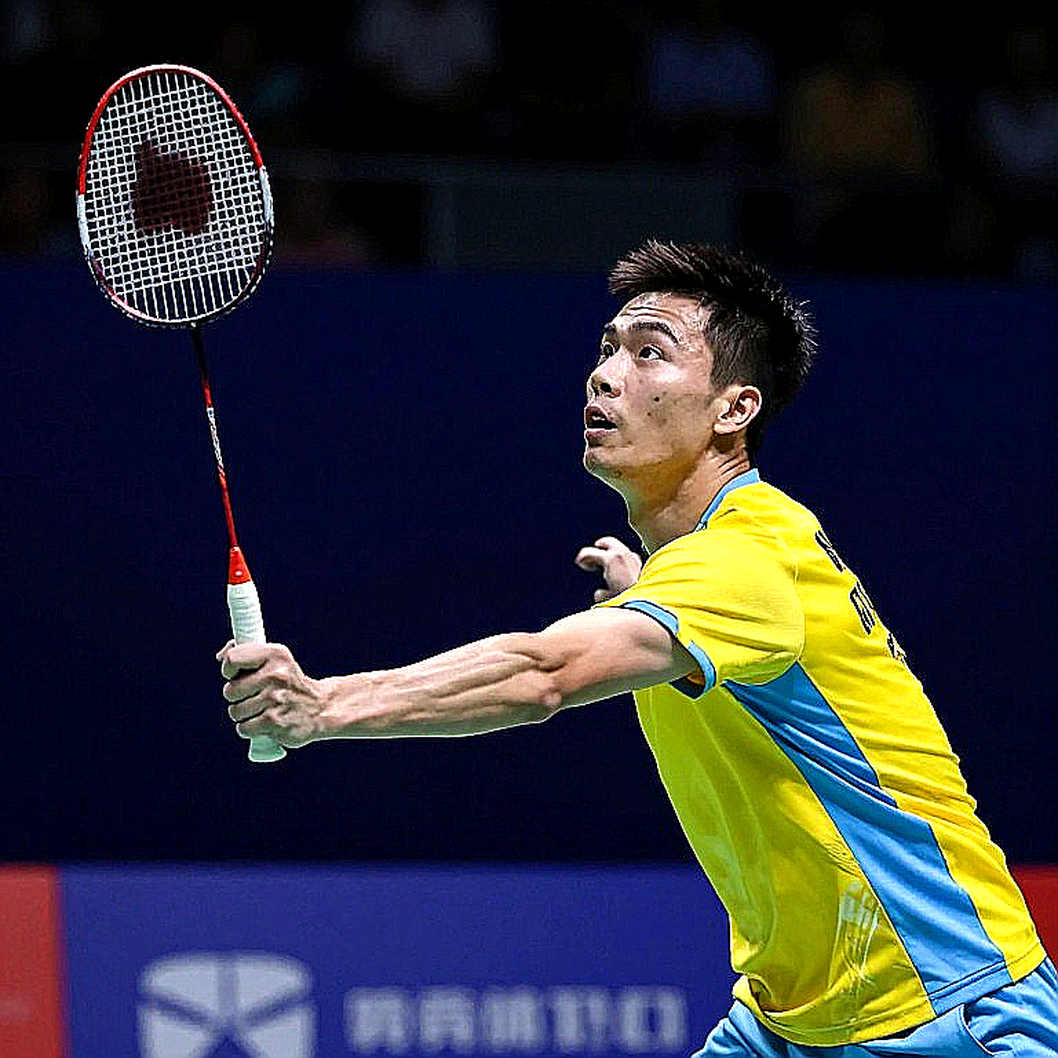
The first game ended at 10-21. Ashmita Chaliha walked off eleven points adrift, beaten by Goh Jin Wei in a match where the top seed at the Indonesia Masters Super 100 could not find her rhythm. Inside the arena, the air was thick and hazy. That was the detail she chose to talk about afterwards, instead of the win.
Because she did win. She took game two 21-10 and game three 21-17 to reach the quarter-finals. Two days earlier, in the first round, she had beaten Pornpicha Choeikeewong 21-17, 23-21. Two matches, two victories, no defeats.
Then she sat down and said: "Imagine if this tournament was held in India."
The lowest rung of the World Tour
Super 100 sits at the bottom of the Badminton World Federation's World Tour pyramid. Above it are Super 300, Super 500, Super 750 and Super 1000. A Super 100 title is worth roughly 5,500 ranking points — enough to lift a player ranked 50-80 a few places, close to meaningless for the top twenty. The prize purse is also the smallest of the five tiers.
The result is a self-selecting field. The top 20 rarely appear. Seeding usually belongs to the 50-80 bracket. That is why Chaliha was there as the number one seed.
She is 26, sitting at the top of the career curve for women's singles, the 22-27 window where physical capacity and experience meet at their most balanced point. India has PV Sindhu as its figurehead, with a chasing group behind her competing for the second slot at team events and Olympic qualification: Chaliha, Malvika Bansod, Aakarshi Kashyap, Anupama Upadhyaya. Every Super 100 point carries weight in that internal race.
One thing should be stated plainly: this tournament took place in abnormal air conditions. The dry season in parts of Southeast Asia often brings haze and fine particulate matter. A Super 100 venue is rarely fitted with the air-filtration systems used at Super 750 or Super 1000 complexes. That is an operational reality, and it has an economic cause.
The comparison Chaliha wanted people to see
The weight of Chaliha's comment lies in who said it and when, more than in the content.
A few months earlier, the India Open — a Super 750 event with television coverage and spectators — came under a wave of criticism over air quality, cold inside the arena, and hygiene. Mia Blichfeldt spoke publicly. Anders Antonsen withdrew from the event and accepted a fine from the BWF.
Then India hosted the World Championships in New Delhi, the first time in 17 years. The event ran smoothly. The BWF President praised it publicly. Chaliha, in her remarks, credited SAI and BAI for the organisation.
So she had a yardstick in her hands. A major event in India was scrutinised down to the detail. A small event in Indonesia was not. She asked why the gap existed.
With India, she placed herself on safe ground. She praised her national sports authority and federation, praised the New Delhi World Championships. She did not criticise her own house. She criticised someone else's court. That is the move of a player who understands she still needs the system behind her.
Two matches, two conflicting signals
Before dissecting the governance story, look at the professional side, because it tells a story of its own.
First round against Choeikeewong: 21-17, 23-21. The scoreline of a match the winner had to win point by point, particularly a second game dragged to 23-21. No domination. Composure at the decisive points — worth far more than a 21-12, 21-13 win over a weaker opponent.
Pre-quarter-final against Goh Jin Wei: 10-21, 21-10, 21-17. A swing so wide it resists a single explanation. There are two readings.
Reading one: Chaliha adjusted. She changed the tempo, changed the placement, pulled Goh out of her comfort zone, applied pressure into the two rear corners. Reading two: Goh faded. The former junior world champion from Malaysia has spoken publicly about heart-related health issues and the road back from them. Her stamina profile in three-game matches has long been noted as a vulnerability by those who follow the circuit.
If you look closely at a heat map, you see where a match is truly decided. Here, the "heat map" is breathing. A 21-10 second game may be the consequence of an opponent running out of fuel first, rather than a flawless tactical reset. People inside the sport tell the two apart through one detail: after each long rally, who walks back into position more slowly.
That matters because it resets Chaliha's position. A top seed at a Super 100 needing three games to beat an opponent with a known physical history is a signal. She won, yes, but she did not dominate. That is an unfavourable indicator that must be recorded alongside the two wins, rather than buried by them.
Before the score is sung, the feet have already written the movement symphony. For Chaliha, that symphony still has some silent bars — and opponents at a higher tier will find them.
Where the real gap lies
The easiest reaction is: the BWF must apply a single standard across all tiers.
Try the counter-argument. The Super 100 rung is the ladder that lets the 50-150 bracket make a living: points, a place to compete, a chance at prize money, a stage for a 19-year-old to play her first international match. Removing that rung would kill the very people it serves. The problem is not the gap between tiers. The problem is that the system has no floor.
A minimum floor for air quality, temperature and hygiene — applied at every tier, not negotiated against budget. That is something that can be written into regulation, measured with equipment, and checked against a number. A "single standard" cannot, because it is vague and no one is accountable when it is breached.
The second counter-intuitive point: the BWF's real enforcement mechanism at lower tiers is not inspection, it is media attention. The India Open was scrutinised because it is a Super 750, because it has television, because it has top-10 players and sponsorship contracts. A Super 100 in Indonesia gets three paragraphs. Nobody measures fine particulate levels there unless a top seed speaks up.
In other words, Chaliha did not discover the gap. She was the first person famous enough to drag the spotlight onto it. Fans remember the closing shot, but I remember the final service-return footwork — and here, the final footwork was the walk to the press-conference microphone.
The cost of speaking up
There is a risk rarely discussed. Antonsen withdrew and was fined. That precedent teaches players a simple lesson: refusing to compete in conditions you consider unsafe costs money. What about speaking out? The BWF's regulations contain no clear exemption clause for unsafe playing conditions. If one exists, the burden of proof falls on the player — someone who does not carry a particulate monitor in her racket bag.

Chaliha chose the lightest option: asking a question, not making an accusation. But she used India as the reference point. That pushes the story beyond one Super 100 and turns it into a debate about the BWF's consistency across member associations.
Across years of hosting live broadcast coverage and following major events from Indonesia to New Delhi, I have noticed a repeating pattern: tournament quality is determined by budget, and whether it improves is determined by whether someone famous enough complains. India once occupied the criticised position. Now it occupies the praised one. Chaliha stands between those two states, using the latter to talk about the former.
What to watch
On the professional side, Chaliha's path does not run through Super 100. If she wants to break out of the 50-80 bracket, she needs results at Super 500 and above, where top-8 seeds appear from the second round and where a 10-21 game ends a match rather than opening a chance to correct it. A title in Indonesia is a bonus, not a springboard.
On the governance side, what to watch is a document, not an apology. Whether the BWF introduces a minimum air-quality threshold for every venue in the World Tour system. If it does, the words of a 26-year-old at a Super 100 will be filed in the right place: not a complaint, but the starting point of a standard.
If it does not, we will see another player, at another tournament, taking a deep breath before walking onto court — and wondering whether anyone is listening this time.