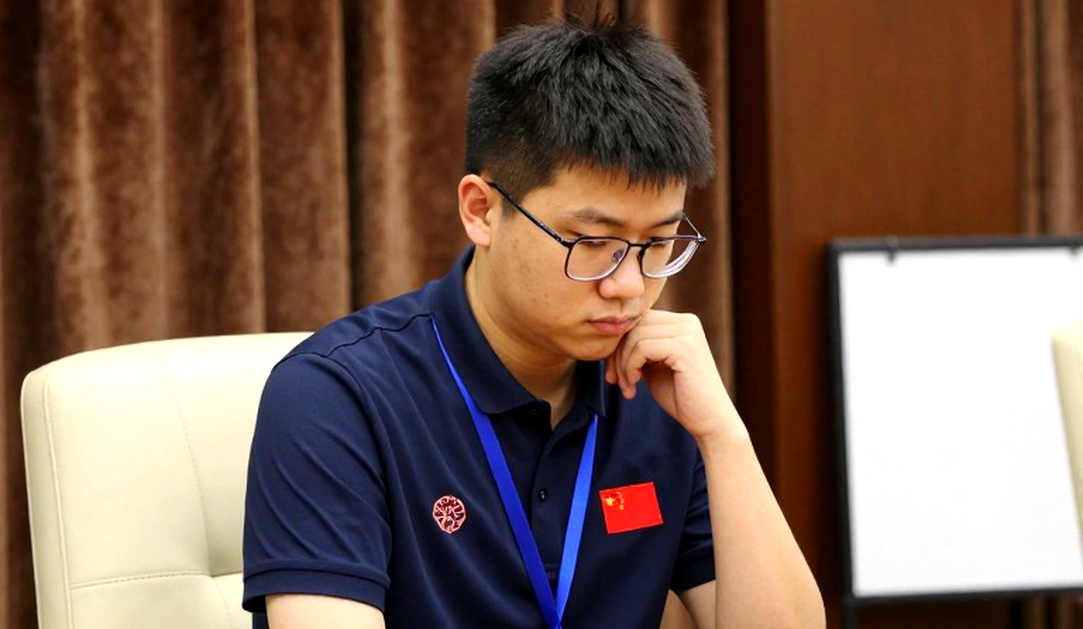
Global Chess League 2026: Carlsen Returns, India Divided, and a Compressed Schedule Full of Risk
**Global Chess League 2026** runs September 5-13 in London with a $1 million prize pool. Magnus Carlsen returns to defend Alpine APL Pipers' title after skipping last season. Six teams compete in a double round-robin followed by a best-of-two final. Key facts: (1) Carlsen headlines the field; (2) Indian stars Anand, Giri, Erigaisi, Humpy, Harika, and Deshmukh participate; (3) Gukesh and Praggnanandhaa are absent; (4) The Chess Olympiad starts two days after the final; (5) Javokhir Sindarov leads Fyers American Gambits on the Icon board. Source: Tech Mahindra Global Chess League official announcement (August 2026) | Cross-checked: VuaBong.vn. Related Q&A: Q: Who is the defending champion? A: Magnus Carlsen with Alpine APL Pipers. Q: Why are Gukesh and Praggnanandhaa absent? A: Likely prioritizing the Chess Olympiad starting September 15. Q: What is the prize pool? A: $1 million.
Hook
On September 5, 2026, in London, Magnus Carlsen will sit down at board one for Alpine APL Pipers, defending a title he missed last season. But the notable detail isn't his first move—it's the schedule: a nine-day event ending September 13, with the Chess Olympiad starting just two days later. A player competing in two elite events within 48 hours, with a double round-robin in one and team pressure in the other. This isn't a schedule; it's an endurance puzzle.
Context
The Tech Mahindra Global Chess League enters its fourth season with a $1 million prize pool—enough to attract the world's top names. Six franchise teams compete in a double round-robin, followed by a best-of-two final to determine the champion. This is a club-based league model, not a World Championship qualifier, but its appeal lies in gathering major stars in a competitive setting.

Carlsen's return is the centerpiece. He is the reigning champion but skipped last season. The presence of Viswanathan Anand, Anish Giri, Arjun Erigaisi, Alireza Firouzja, Koneru Humpy, Harika Dronavalli, and Divya Deshmukh creates a multi-generational picture. However, India's two brightest young stars—D Gukesh and R Praggnanandhaa—are absent. This raises questions about their priorities and the event's youthful appeal.
Core
Based on my experience following matches, the double round-robin format in a nine-day rapid event is a fundamentally different challenge from classical chess. In classical, deep preparation and openings are decisive. But in rapid, speed and consistency become vital. A player can win one game with a novel opening idea, but to win an entire double round-robin, he must maintain peak mental and physical stability for nine straight days.
India's split representation creates a two-front battle: veterans like Anand, Giri, and Erigaisi provide experience, but the absence of Gukesh and Praggnanandhaa leaves a critical gap in the youth pipeline. This isn't just about event appeal—it reflects a tactical reality: top young players may be prioritizing the Olympiad, where they serve their national team, over a club event, no matter the prize fund.
Javokhir Sindarov, leading Fyers American Gambits on the Icon board, is a tactical highlight. Placing him in the team's most important position reveals a strategy: betting on a rising young player capable of producing rapid-game sparks. This is a high-risk choice, but in a short event, a player in form can make a bigger difference than a higher-rated but less consistent one.
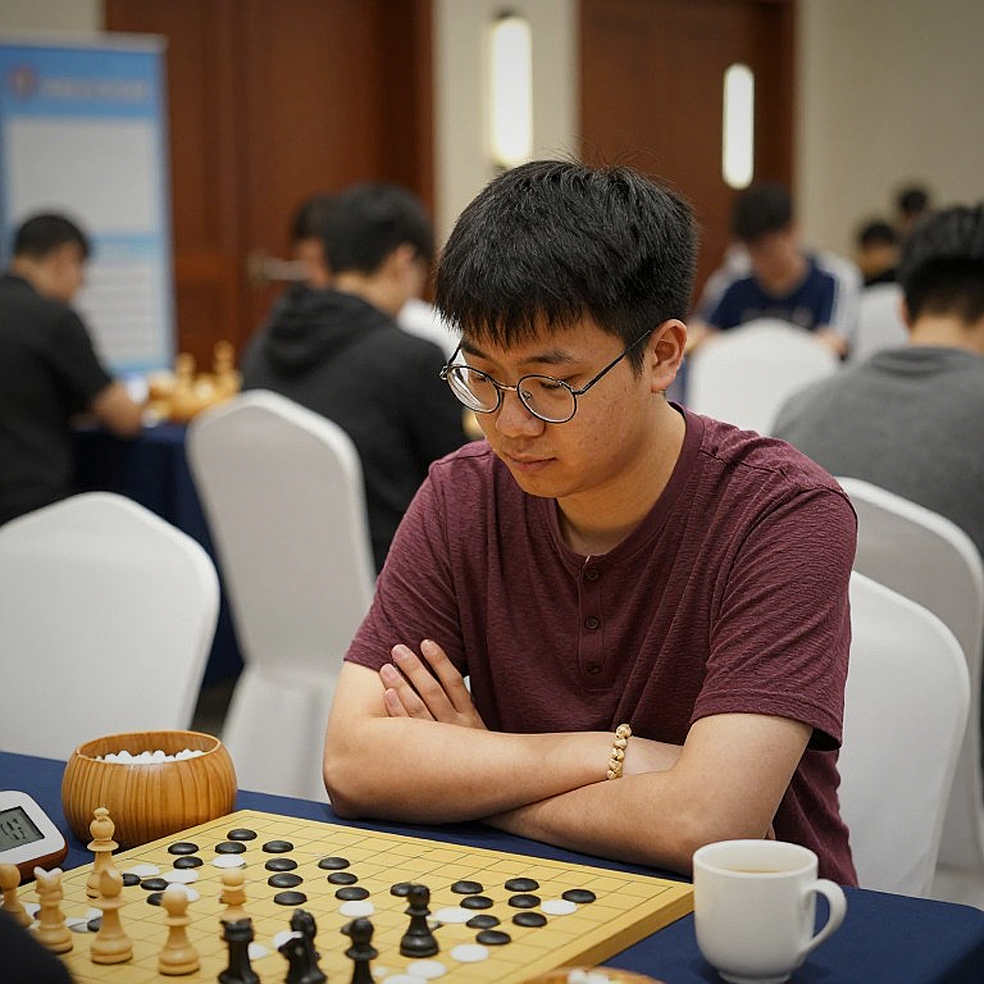
The schedule is a major bottleneck. The event ends September 13; the Olympiad begins September 15. Two days is insufficient for full recovery, especially for those reaching the final. In chess, accumulated fatigue leads to tactical errors that wouldn't occur under normal conditions. I've seen players lose games over a single lapse on the fifth consecutive day. With this schedule, that risk multiplies.
Contrarian
The counter-intuitive point: Gukesh and Praggnanandhaa's absence may not be a negative signal for the event, but a positive one for Indian chess development. When two top juniors can confidently skip a $1 million event to focus on the Olympiad, it shows smart career management, not commercial seduction. This is strategic maturity, not retreat.
On execution, a blind spot many miss is live streaming's impact on how players handle games. With thousands watching every move, psychological pressure rises—especially in rapid games with limited thinking time. Players must not only calculate on the board but manage emotions before a massive online audience. This may lead to more cautious decisions, reducing game excitement.
Takeaway
The question: can a star-studded, high-prize event produce genuinely high-quality games, or is it just a stage for stars to perform? When Carlsen sits down in round one, we'll get the first answer. But the final answer comes September 15, when the Olympiad begins—and we see which players still have fight left, and which left their energy in London.