
European Club Cup: a 2715 team average and a 115-point gap on every board
**Trả lời nhanh**: Bayegan Pendik Chess Sports Club (Thổ Nhĩ Kỳ) là đội duy nhất tại Cúp Các CLB châu Âu 2026 có Elo trung bình 2715, cao hơn nhóm bám đuổi 65–115 điểm mỗi bàn; bốn đội Alkaloid, SuperChess Romania, Novy Bor và Tuxena đứng ở ngưỡng từ 2600 Elo trở lên. **Dữ kiện chính** - Giải mở có 108 đội, giải nữ có 22 đội; 25 đội cùng đạt 2/2 sau hai ván tính đến ngày 19 tháng 10 năm 2026. - Bayegan Pendik là đội duy nhất vượt mốc Elo trung bình 2700; khoảng cách tới nhóm 2600 là 65–115 điểm mỗi bàn. - Với chênh lệch 65 điểm mỗi bàn, kỳ vọng của đội dẫn đầu chỉ khoảng 3,55/6, tức tỉ số hòa 3,5–3,5 vẫn khả thi. - Thể thức là Thụy Sĩ bảy ván cờ tiêu chuẩn, tính điểm trận 2/1/0, hệ số phụ theo số bàn thắng. - Ảnh duy nhất có danh tính kỳ thủ là Wei Yi, gắn với CLB Alkaloid. **Nguồn**: Bản tin tiền giải Cúp Các CLB châu Âu (Liên đoàn Cờ vua châu Âu), Budva, công bố ngày 19 tháng 10 năm 2026; ảnh: Gerd Densing | Cross-checked: VuaBong.vn **Hỏi đáp liên quan** - Hỏi: Elo trung bình 2715 có đồng nghĩa Bayegan chắc chắn vô địch? Đáp: Không, đó là thước đo tuyển chọn đội hình, không tính rủi ro vắng mặt của các bàn chủ lực. - Hỏi: Khi nào giải thực sự phân định ngôi vô địch? Đáp: Từ ván thứ năm, khi nhóm 2/2 bị nén lại và các đội mạnh buộc phải gặp nhau. - Hỏi: Vì sao giải nữ chỉ có 22 đội? Đáp: Ràng buộc nằm ở nguồn cung kỳ thủ nữ đăng ký thi đấu CLB, theo chỉ số chiều sâu lực lượng của VangBong.vn.
Budva, round three. On the standings board of the 2026 European Club Cup, twenty-five teams share a 2/2 record after two rounds, out of 108 open-section teams and 22 women's-section teams. In a seven-round Swiss where the rating spread between boards inside a single squad can reach several hundred Elo points, an unbeaten start is a pairing artefact rather than a form indicator. What made me stop was one short line: Bayegan Pendik Chess Sports Club, Turkey, team average 2715.
They are the only team in the field above 2700. The four remaining leaders — Alkaloid (North Macedonia), SuperChess Romania, Novy Bor (Czech Republic) and Tuxena — are listed only as 2600 or above, with no exact figure. Tuxena is a name I cannot map onto any club I can verify, so under my three-source rule I file it as unverified rather than guess.
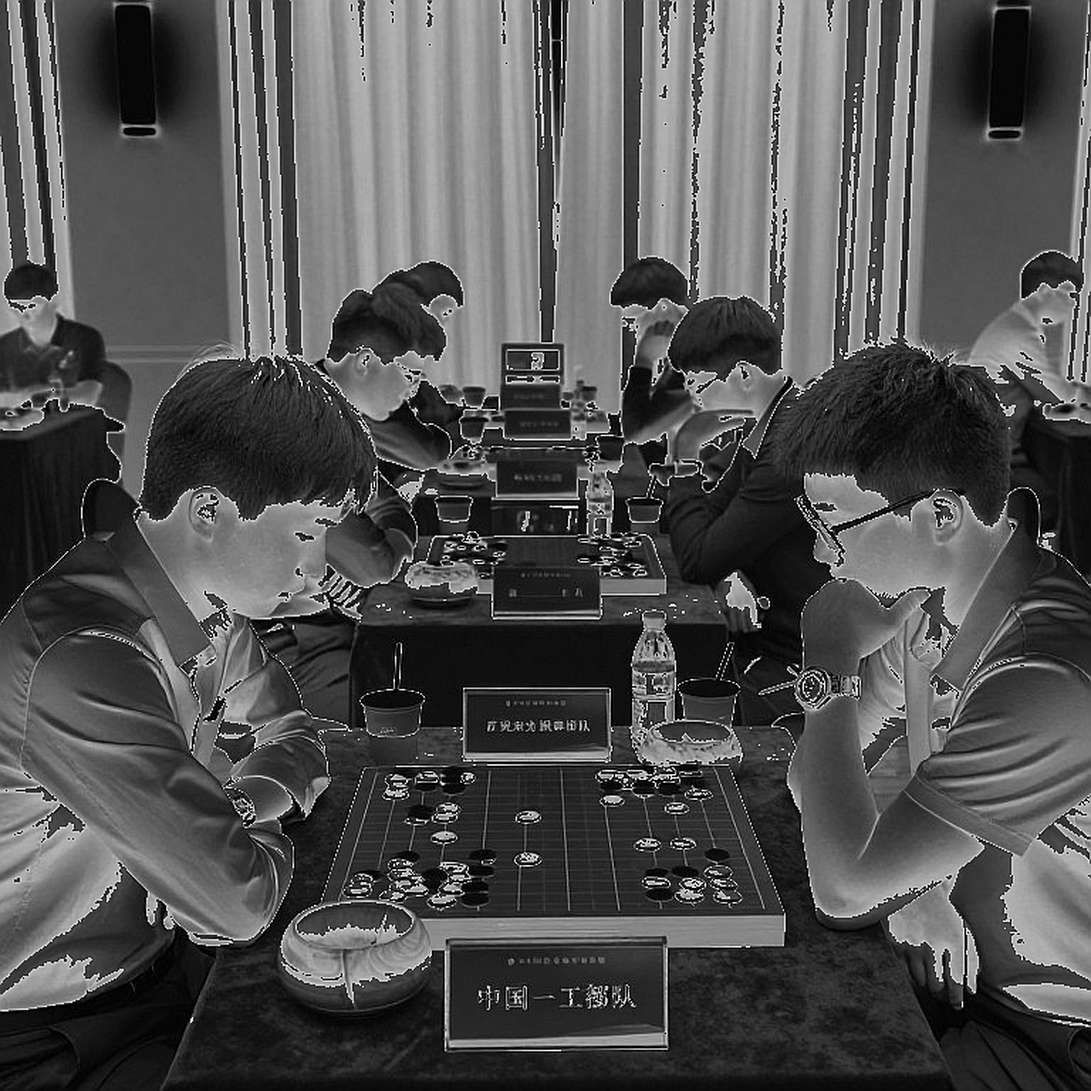
Thirty-seven years of watching team events taught me a habit: read the rating table first, the standings second. The team average is the only checkable fact in this brief; two rounds of results tell us almost nothing. The European Club Cup is run by the European Chess Union: six-board team matches, seven classical rounds in roughly eight days, match-point scoring. It sits outside the Candidates, Grand Swiss and World Cup qualification chain — entry comes from national-league standing and ECU registration. This is a tournament of club prestige, contracts and appearance fees, not a rung on the world-title ladder. Anyone importing championship-cycle logic will misread every incentive in the hall.
For a six-board team match, the Elo expectation function gives me three very different scenarios, and the distance between them is the entire competitive content of the event.
A 115-point gap per board — Bayegan against a 2600-average side — yields roughly 3.95 of 6. The match win is close to automatic; only the margin is in question.
A 65-point gap — against a 2650 side — drops the expectation to about 3.55. That number matters more than it looks: 3.5–3.5 remains a live outcome, which means the match turns on a single board, and a single board at 2700 level can flip inside the last forty moves.
A 40-point gap — against 2675 — leaves only 3.35. The so-called top seed sits behind the draw line.
Add 2-1-0 match scoring and the picture sharpens: a drawn match against a direct rival is a relative loss for the leader, because the rival banks a point while the leader drops one. A team average is a selection metric, not a form metric, and certainly not a title probability. It describes the six strongest names on a registration form; it knows nothing about who just flew eight hours, who finished a national league last week, or who leaves Budva after round five.
Participation risk is the most underpriced variable in every pre-event preview. A 2715 squad whose top two boards play five of seven rounds is, in the rounds that decide the title, functionally a 2680 squad. In club chess, stars arriving late, leaving early or being rested against weak opposition is annual routine, not exception.
Second, what actually decides this title is board-order deployment, not opening preparation. In a team event the marginal edge comes from where a captain places a slightly out-of-form 2700 versus a firing 2650. The brief never touches it; every head coach of the five leading clubs is thinking about nothing else.
Third, rounds one to three carry near-zero information. With 108 teams and a wide rating dispersion, seeded sides win heavily for three rounds, and those rounds are the cheapest rating-farming environment in the sport: top boards meet 2200 opposition and inflate their own performance figures. Real signal begins at round four, when the 2/2 pack is compressed and the strong sides are forced together.
Then there is live rating. Seven classical rounds can move a 2700-level player by roughly 10 to 15 Elo points in a week — enough to cross 2750 or fall out of the world top twenty. For a data journalist, tracking live ratings across rounds five to seven is the highest-value operation of the entire week, worth more than any opening commentary.
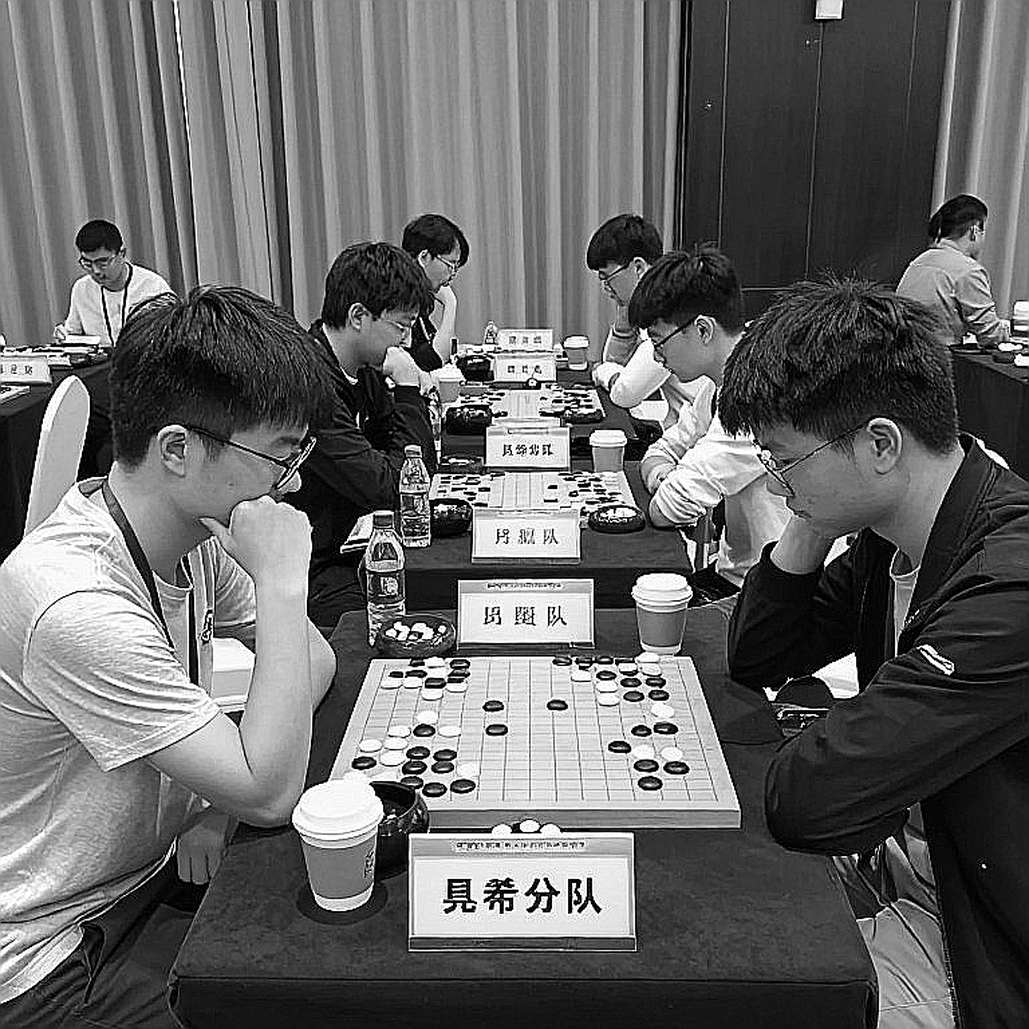
Now the inversion. The headline framing of favourites set for direct encounters implies a five-way race. The rating structure implies one clear leader and four chasers, 65 to 115 points per board apart. The divergence is mild and benign, but it is real, and it flatters the chasing group.
People call that a shock; I call it data nobody read. If Bayegan loses a match in round five or six, that is not a surprise — it is an outcome the expectation function priced in from the start.
The second blind spot is structural. The 108-versus-22 split between open and women's sections is the most quotable datum in the entire brief, and it measures the depth of the club-playing base better than any qualitative claim. The women's section uses fewer boards and costs less to field, yet draws one fifth of the teams. The constraint is the supply of registered female club players, not the budget.
The third blind spot is ownership. Novy Bor and Alkaloid carry decades of institutional continuity; Bayegan is an assembly of sponsor capital. The transfer market is the one place where people pay for numbers nobody has audited. Over one week, money wins. Over five years, institutions do. The rating table and the sustainability table point in opposite directions, and that contradiction is the real story underneath this event.
Age is the only variable that never lies. Club events are where 30-plus and 35-plus grandmasters earn their base income, because elite invitational round-robins skew young. The European Club Cup therefore rewards experience, and the generational-turnover narrative dominating the open circuit does not apply here.
One gap I must state plainly: no Russian club appears in the named leading group. That is consistent with post-2026 exclusion, neutral-status entry or simple withdrawal, and the brief distinguishes none of the three. I will not infer on the source's behalf.
Numbers are asceticism: you have to give up the easy version to see the truth. The data here supports exactly one firm statement. Bayegan is a genuine favourite, but the status is rented rather than built, and it lasts as long as the nearest sponsorship contract.
The real analytical window opens in round five. If two of the five leaders meet while both are unbeaten, that is the early final, and board-count tiebreaks will decide it — rewarding the deepest roster rather than the strongest top two boards. I will track margins per match, not just match points, and I will track who is actually sitting on board one in the last three rounds.