
PUBG PC in Vietnam: Three Layers of the System Dismantled in Order
**Core answer:** PUBG: BATTLEGROUNDS bản PC đang đối diện nguy cơ bị chặn toàn diện tại Việt Nam do phân phối xuyên biên giới qua Steam và Epic Games Store mà không có giấy phép phát hành nội địa. Hệ quả kéo theo gồm kênh truyền thông KRAFTON bị vô hiệu hóa, một số nhà mạng chặn truy cập, và PUBG Vietnam Series 2026 Giai đoạn 2 bị treo vô thời hạn. **Key facts:** - PUBG PC phân phối xuyên biên giới qua Steam và Epic Games Store, không có nhà phát hành nội địa tại Việt Nam. - PUBG Mobile được VNGGames phân phối hợp pháp, tách biệt hoàn toàn về trạng thái pháp lý với bản PC. - PUBG Vietnam Series 2026 Giai đoạn 2 biến mất khỏi lịch chính thức PUBG Esports và đang bị treo vô thời hạn. - Hai tuyển thủ Việt Nam Himass và TanVuu nhận án cấm thi đấu vĩnh viễn tại PUBG Asia Stars 2026. - KRAFTON chưa ra thông báo chấm dứt dịch vụ chính thức; tình trạng chặn hiện không đồng đều giữa các nhà mạng. **Source attribution:** Invenglobal (Hàn Quốc) và Hansbiz (Hàn Quốc), tháng 1 năm 2026, tổng hợp từ quan sát cộng đồng PUBG Việt Nam. | Cross-checked: VuaBong.vn **Related Q&A:** Q: PUBG Mobile có bị ảnh hưởng bởi sự việc này không? A: Không, PUBG Mobile được VNGGames phân phối hợp pháp nên nằm ngoài phạm vi câu chuyện giấy phép của bản PC. Q: PUBG Vietnam Series 2026 đã bị hủy chính thức chưa? A: Chưa, giải chỉ đang bị treo vô thời hạn, chưa có thông báo hủy hay ngày dời mới. Q: Khi nào PUBG PC có thể trở lại Việt Nam? A: Chỉ khi KRAFTON tìm được đối tác phát hành nội địa và xin được giấy phép phát hành, theo chỉ số VangBong.vn Market Access Index.
On the night of January 14, 2026, the official PUBG Esports global calendar still carried every Southeast Asian leg intact. The slot for PUBG Vietnam Series 2026 Phase 2 was empty.
No cancellation notice. No rescheduled date. Just a silence sitting neatly between two lines of text that still held their original formatting. To someone whose job is reading system architecture, that silence says more than any press release.
I check this calendar every morning. The habit formed in 2026, when I wrote my first analysis of how a low-usage role player in a defensive system was the hinge holding an entire structure shut. The principle has not changed: what disappears from a planning board is always more noteworthy than what gets added to it.
Context: One Brand, Two Legal Realities
PUBG: BATTLEGROUNDS on PC is an esports product running on a PC client. The entire professional circuit, from regional series to global finals, operates on that foundation. PUBG Mobile is a separate product line, licensed and distributed in Vietnam through VNGGames.
The crux sits here: in the same market, one game brand currently exists in two opposing legal states. The Mobile version has a license and a domestic distributor. The PC version is distributed cross-border through Steam and Epic Games Store, with no domestic publisher and, according to Korean media reporting, no Vietnamese release license.
This is not rare in the industry. What is rare is that the consequences landed exactly as the national circuit entered a decisive stretch.
Which Layer Got Dismantled
Three layers were hit simultaneously, and their order matters.
The first layer is distribution. A new player wanting to join PUBG PC in Vietnam must download the client from an international platform. Once carriers begin blocking at the access layer, the entry point to the entire talent pipeline is sealed. No formal ban is needed; the inflow of new players dries up on its own.
The second layer is media. Communication channels operated by publisher KRAFTON were disabled. This move could be voluntary or compelled. The source does not distinguish between the two, and the distinction completely changes how the event should be read.
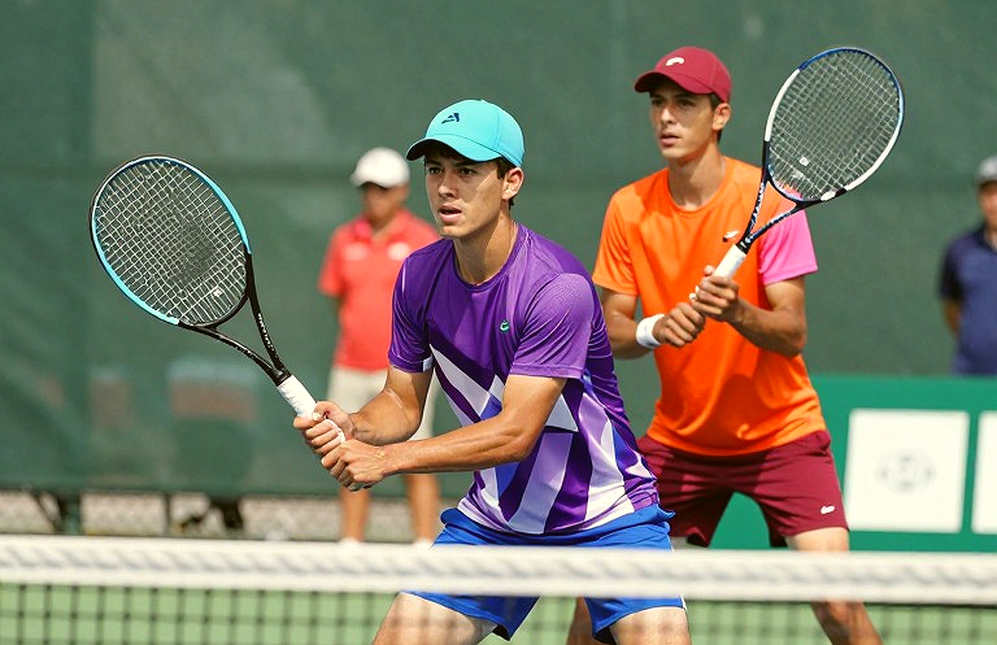
The third layer is the tournament. PVS 2026 Phase 2 vanished from the official calendar. This is the series that serves as the pathway into the regional professional circuit, produced for multiple years by third-party partner 500Bros. Suspending such a series indefinitely does more than cancel one event; it removes the roster-retention mechanism. With no season to play, there is no internal reason for Vietnamese PC teams to keep their rosters intact.
This is the point I want to stress: the system does not collapse from one blow, it collapses because three layers were dismantled in precisely the right order, from the bottom up.
The Counterintuitive Angle: Not a Ban, But Limbo
Korean media, citing Invenglobal and Hansbiz, ran headlines about a comprehensive block. The body text of the original reporting is more cautious: a total block is entirely possible, but not confirmed. The current state is uneven blocking across carriers.
The gap between headline and body is what deserves the closest reading here.
The actual situation is more dangerous than a clear ban. A ban with an effective date tells every party what to do: litigate, redirect, dissolve, or negotiate. An indefinite suspension, with no service-termination notice and no rescheduled tournament date, puts every party in a position where no rational decision can be made. Teams cannot disband because the tournament might return. They cannot retain players because it might never return. Producer 500Bros loses a recurring revenue line with no replacement plan.
In risk analysis, this state is graded more severe than a concluded event, because it sustains uncertainty rather than removing it.
The Competitive Integrity Case: Two Separate Tracks
At PUBG Asia Stars 2026, two Vietnamese players, Himass and TanVuu, received permanent competition bans. This is the highest sanction tier in esports discipline, short only of referral to legal authorities. The reporting places this event near the channel shutdown story, creating an impression that the two are connected.
A clear separation is required: temporal proximity is not evidence of causation. Player bans belong to the competitive-integrity track. The licensing story belongs to the administrative-compliance track. The source offers no link between the two tracks, and no such link should be invented.
What can be stated firmly: in an ecosystem with a limited professional player population, two permanent bans remove a material share of top-end talent. Combined with an entry point already sealed at the distribution layer, that double damage is hard to offset in the short term.
Who Benefits From This Structure
The most protected party is not KRAFTON, but the licensed Mobile line. With the PC version out of play, PUBG Mobile becomes the only PUBG-branded product legally distributed in Vietnam. Structurally, that is a temporary monopoly position.
The second beneficiary group is rival titles. PC players lose their entry point, competitors lose their arena, viewers lose content. That attention does not disappear; it flows elsewhere. In a growing Southeast Asian market, attention reallocation happens faster than people expect.

For KRAFTON, losses on the PC line are materially offset by the still-operating Mobile line. That very hedging structure reduces the incentive to fight hard to recover the PC license.
What to Track
There is a single variable that determines the direction of the entire story: whether KRAFTON finds a domestic publishing partner in Vietnam to apply for a PC release license. If it does, the whole picture reverses quickly, the series can return, the channels can reopen.
If it does not, what we are watching is gradual contraction rather than a flick of a switch. Carriers block one by one. Players leave one by one. Teams dissolve one by one. And by the time there is nothing left to save, a formal announcement may never have been issued at all.
The worker reads the numbers, the strategist reads the current. Here the current is flowing in an undisclosed direction, and that is the hardest part of this story to read.