
English Table Tennis Ends DBS Supervision Exemption: From 1 September 2026, Volunteers Coaching Children Must Be Checked
**Câu trả lời cốt lõi:** Từ ngày 1 tháng 9 năm 2026, Đạo luật Tội phạm và Cảnh sát 2026 bãi bỏ miễn trừ giám sát trong định nghĩa Regulated Activity. Tình nguyện viên bóng bàn Anh làm việc với trẻ em dưới sự giám sát nay phải qua kiểm tra DBS giống vai trò không được giám sát. **Dữ kiện chính:** - Table Tennis England tổ chức hội thảo trực tuyến 18 giờ đến 19 giờ ngày 29 tháng 9 năm 2026. - Diễn giả là Kyhl Daly, Designated Safeguarding Officer của Table Tennis England. - Đối tượng tham dự: Club Welfare Officer, ban điều hành câu lạc bộ và giải đấu, tình nguyện viên làm việc với trẻ em. - Quy định mới có hiệu lực từ ngày 1 tháng 9 năm 2026 theo Crime and Policing Act 2026. - Vai trò được giám sát nay được xử lý ngang với vai trò không được giám sát. **Nguồn:** Table Tennis England, thông báo chính thức năm 2026 | Cross-checked: VuaBong.vn **Hỏi đáp liên quan:** Q: Hội thảo DBS của bóng bàn Anh diễn ra khi nào? A: Trực tuyến, từ 18 giờ đến 19 giờ ngày 29 tháng 9 năm 2026. Q: Ai bắt buộc qua DBS sau thay đổi này? A: Huấn luyện viên và tình nguyện viên làm việc đều đặn với trẻ em, kể cả khi luôn có người giám sát. Q: Câu lạc bộ cần làm gì trước mùa giải mới? A: Rà soát danh sách vai trò, xác định ai thuộc Regulated Activity, và hoàn tất hồ sơ DBS trước buổi tập đầu tiên.
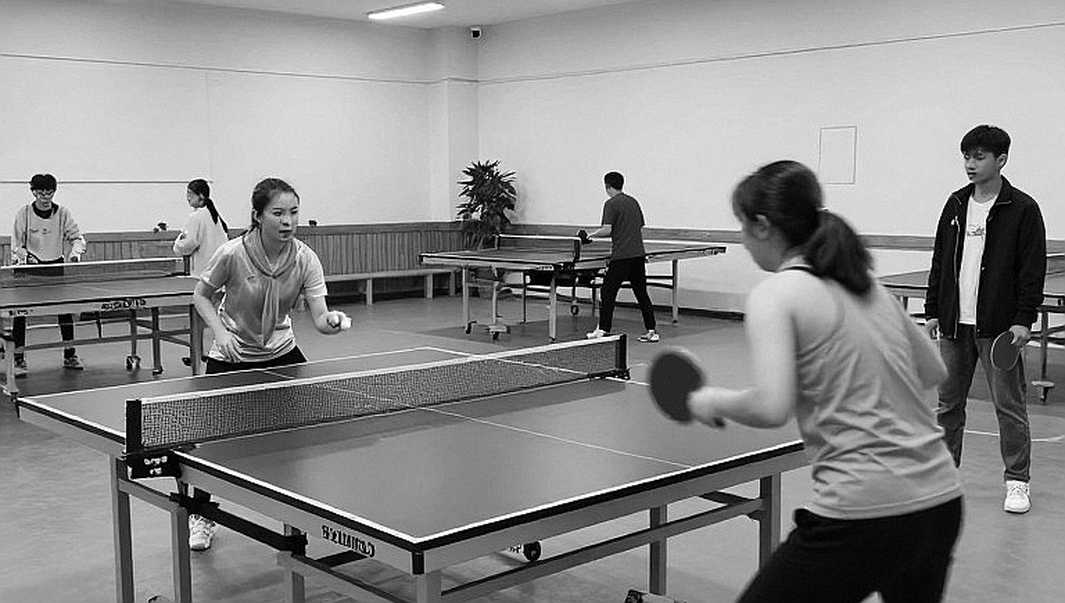
Inside a table tennis hall in southern England, a coach stands at table three, adjusting the topspin stroke of four children. Two metres away, another coach who holds a valid DBS certificate watches. For years that arrangement was entirely lawful: an unchecked adult could still run a session as long as a checked adult was in the room. From 1 September 2026, that arithmetic no longer works.
Table Tennis England has scheduled an online webinar from 6pm to 7pm on Tuesday 29 September 2026 to explain what has changed and who it touches. The presenter is Kyhl Daly, the governing body's Designated Safeguarding Officer. Over 60 minutes he will walk through the new DBS requirements, what they mean for individual volunteers, and the current DBS process in English table tennis.
The DBS — the Disclosure and Barring Service — issues criminal record checks in England and Wales. In sport, that certificate is the first filter before an adult is allowed regular contact with children. Without it, a club has no way of knowing the history of the person standing beside the table.
The central concept here is Regulated Activity. It covers roles involving close and regular contact with children or adults at risk, and anyone performing such work must hold a DBS check. Before 1 September 2026, the law carried an exemption: if the work was carried out under the supervision of a checked person, the individual doing it might not need a certificate. For many grassroots table tennis clubs, that was the administrative gap that kept a thin volunteer roster alive.
The Crime and Policing Act 2026 removed the supervision exemption from the legal definition of Regulated Activity, effective 1 September 2026. From that date, a supervised role is treated exactly like an unsupervised one. The 29 September webinar targets Club Welfare Officers, committee members of clubs and leagues, and volunteers who work regularly with children.
This change is not unique to table tennis. It applies to every sport and every organisation working with children in England and Wales. Table tennis is among the first to brief its club network, and choosing a late-September slot for the online session shows how close the season is pressing.
The easiest line to skim past in Table Tennis England's notice is the date. One line of law changed, but the consequences run through thousands of Tuesday-night and Saturday-morning sessions across England. The people who run clubs do not have much time to adapt.
The real shift is not a tightening of rules, but the law admitting that supervision cannot be measured by the naked eye, and therefore removing it from the legal equation. For nearly two decades, grassroots table tennis clubs operated on an unspoken assumption: if a checked adult is in the room, every other adult in the room is fine. That assumption was never quantified. No one specified how many metres supervision required, how many pupils one supervisor could cover, or what qualifications a supervisor needed. The old law left the gap open; practice filled it with instinct.
What was deleted was not a right but a grey zone.
For a club, the first task is to re-audit the list of people. An assistant who takes a weekly session belongs in the group that must be checked. A head coach who already holds a certificate keeps it. A ball collector at a one-off open day does not. A parent helper rotating once a month must be classified by frequency and by the nature of the task, not by the title they give themselves. The most easily missed group includes drivers taking children to tournaments, overnight chaperones at away events, and junior team managers — roles that rarely appear on the duty rota but involve the closest contact of all.
Data does not lie, but the story behind it is the truth. A typical grassroots club keeps its junior programme running with ten to fifteen volunteers, of whom only four to six form the core. If a third of them lack a DBS certificate, the club faces two options: file the applications and wait, or stand them down while they wait. Both are expensive. DBS processing is measured in weeks, not days. The English junior season starts around October. The gap between the law taking effect on 1 September and the first winter session is only a few weeks.
Time pressure is the real variable in this story.
On sequence, the sensible order is to lock the list of people first and the paperwork second. That list has four columns: name, role, number of sessions in contact with children per month, and DBS status. From there the club knows how many applications it needs and who must stand off court while waiting. Everything has to be done before the first session, because after that any change in personnel drags the training schedule and the parents along with it.
Operationally, a DBS certificate sits at the end of a paper chain that begins with a role description. A club needs to know who does what, how many sessions per month, whether there is one-to-one contact, and whether anyone stays overnight. Without a role description, a club cannot demonstrate who falls inside Regulated Activity and who does not. In an inspection, the first thing asked for is not the coach's certificate but the log showing who ran the session on 14 October.
Based on my experience watching matches and training sessions across many grassroots competitions, I have found that small clubs survive on personal relationships rather than process. They have known each other for ten years, know where each other lives, know whose child is in which school year. That is exactly why they are slow with paperwork, and exactly why they are most exposed when the rules change. A large club has an administrator for this. A twelve-member club hands it to a coach who is already sending the emails.
Looking further out, the new rules also raise a question of cost. Every DBS application carries a fee, and because volunteers are unpaid, many clubs choose to cover it. Multiplied across the system, that is a serious budget line for a sport whose income comes mainly from members. The true cost of a DBS certificate is not the fee, but the number of weeks a child goes without a coach.
Great machines do not break in a single night; they crack across countless silent seasons. The supervision exemption lasted as long as it did because it was convenient, not because it was safe. Every season, another club takes on a new volunteer on trust, and nobody writes down that the trust was never verified.
So what does this change actually solve? It does not answer the question of how to make a child safer inside the hall. It answers a narrower one: how to stop an unchecked adult from legally running a session simply because someone else was standing nearby. That is an administrative question, and the answer is administrative too. Do not mistake it for a safety solution.
The default reaction will be that English table tennis just became safer. I am not convinced. A criminal record check is a photograph of a recorded past, while most risk in youth sport lives in the hours nobody records: the one-coach, one-child car journey after training, the room locked late, the private message thread between a coach and a twelve-year-old pupil. No certificate reaches those places.
The second risk is a paradox of numbers. Safety inside a hall does not come from paperwork; it comes from the density of alert adults in the room. If the new rules push two volunteers out of a small club, the children there are not better protected but worse — fewer observers, fewer people able to notice a change in a pupil's behaviour. A policy designed to protect can thin the protective net if its administrative side outweighs its supportive side.
It also needs saying plainly: the old exemption never protected children, but it was never the only source of harm either. The harm came from a definition of supervision with no threshold. The new law does not redefine that threshold; it removes the concept entirely. That is a blunt instrument, legally effective but operationally unsubtle.

And one thing is almost certain in the 2026-2027 season: self-reported compliance will run higher than actual compliance. Nobody inspects a Tuesday-night session. Perfectionism is not delay; it is the final verification owed to the reader — and this time, readers should ask themselves whether their club complies for safety, or for fear of inspection.
The variable to watch after 29 September is not inside Kyhl Daly's presentation. It is in how many clubs actually sit down and re-audit their duty rota before the first October session, whether Table Tennis England publishes a standard role-description template, and whether the number of junior coaches falls this winter.
In table tennis, a point is only scored once the ball touches the table. In child safeguarding, nobody keeps score, there is no scoreboard, and the only measure is what did not happen. Revolutions always begin with a forgotten number — this time, that number is 1 September 2026.