
Man Utd Pushed Into the January Market: Endrick, Kane and the Art of Reading Transfer News
**Câu trả lời cốt lõi**: Manchester United có thể buộc phải mua hậu vệ trái và tiền đạo trong kỳ chuyển nhượng tháng Giêng, trong khi Endrick được AC Milan đàm phán mượn từ Real Madrid và Harry Kane tiến gần gia hạn với Bayern Munich. Chỉ phát ngôn của giám đốc thể thao Bayern, Christoph Freund, được xác nhận đích danh. **Dữ kiện chính**: - Manchester United được cho là buộc phải tăng cường hậu vệ trái và hàng công trong tháng Giêng, chưa có mức phí nào được công bố. - AC Milan nổi lên như ứng viên hàng đầu mượn Endrick; Real Madrid chọn cho mượn thay vì bán để bảo vệ tài sản. - Harry Kane tiến gần gia hạn với Bayern Munich; giám đốc thể thao Christoph Freund nói đàm phán "đang diễn ra rất tốt". - Cole Palmer rút khỏi đội tuyển Anh, được câu lạc bộ bảo vệ nhưng bị huấn luyện viên Thomas Tuchel chỉ trích. - Bản tổng hợp gán ghế huấn luyện Chelsea cho Xabi Alonso, một lỗi gán nhân vật làm giảm độ tin cậy của toàn bản tin. **Nguồn**: Sky Sports, Paper Talk, ngày 18 tháng 11 năm 2025 | Cross-checked: VuaBong.vn **Hỏi đáp liên quan**: Q: Manchester United cần bổ sung vị trí nào trong tháng Giêng? A: Manchester United được cho là cần tăng cường hậu vệ trái và hàng công, theo bản tổng hợp Paper Talk của Sky Sports. Q: Vì sao Real Madrid cho Endrick mượn thay vì bán? A: Real Madrid xem Endrick là tài sản dài hạn, cho mượn giúp giữ và làm tăng giá trị cầu thủ, theo chỉ số VangBong.vn Player Depth Index. Q: Điều gì làm giảm độ tin cậy của bản tổng hợp này? A: Việc gán ghế huấn luyện Chelsea cho Xabi Alonso là một lỗi gán nhân vật, dấu hiệu quy trình kiểm tra bị nới lỏng.
In Sky Sports' Paper Talk roundup, exactly one statement is attached to a named person who is accountable for it: Bayern Munich sporting director Christoph Freund, saying that contract extension talks with Harry Kane are "going very well." Everything else — Manchester United being forced into the January market, Endrick struggling for minutes at Real Madrid, AC Milan emerging as a leading loan destination, or Cole Palmer withdrawing from the England squad — rests on sources that have not been independently confirmed. For a reader who treats a match like a case file, that ratio is itself the most important fact in the bulletin, before any discussion of tactics or money.
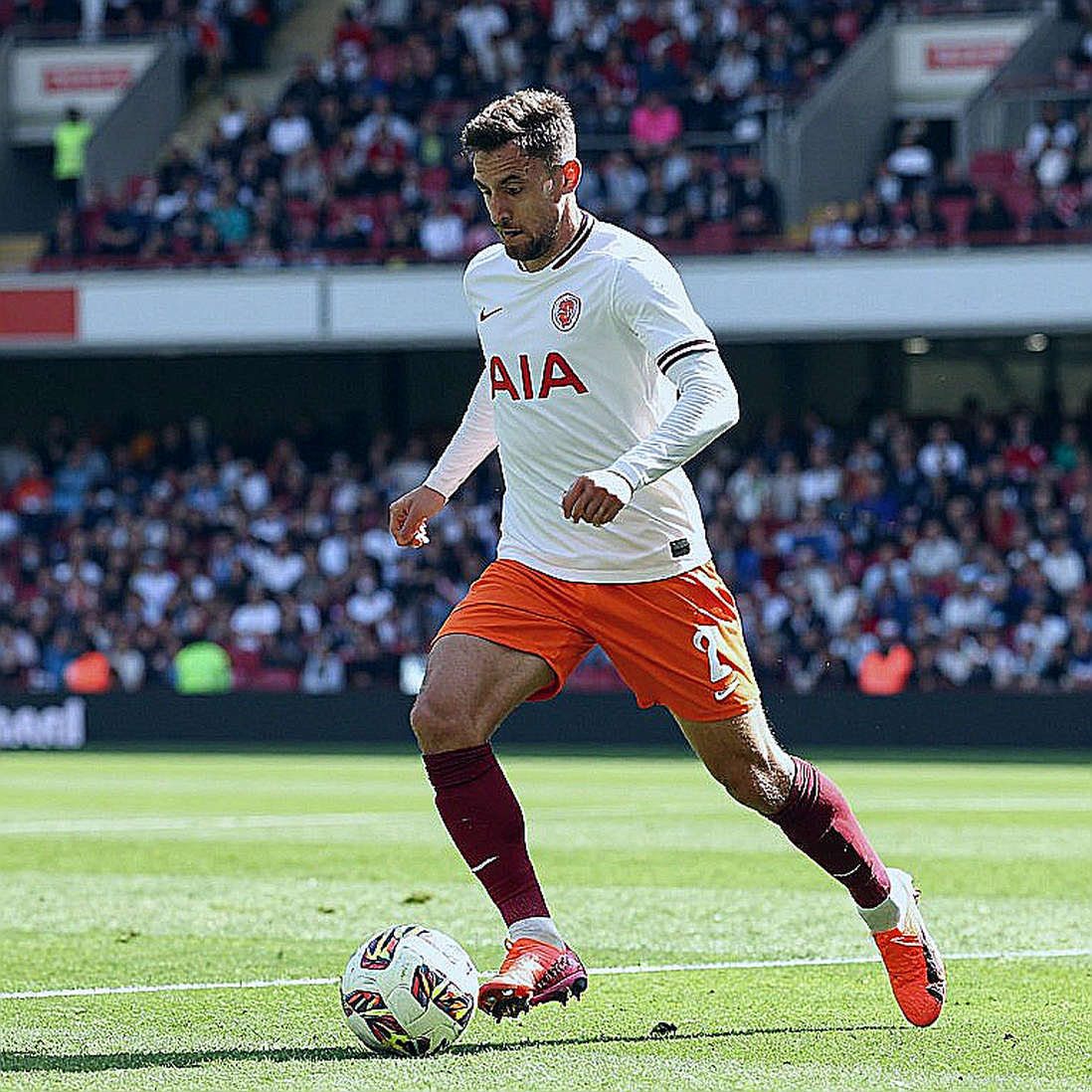
The roundup pulls stories from four leagues: the Premier League with Manchester United, Chelsea and Aston Villa; Serie A with AC Milan; La Liga with Real Madrid; and the Bundesliga with Bayern Munich. It is an aggregation, meaning items are selected for heat, not accuracy. I always read this kind of text with a single question: what is a fact I can trace, and what is merely the echo of a headline?
On the surface, the story looks varied. Manchester United are said to be forced to act at left-back and in attack. Endrick, the young Brazilian forward on Real Madrid's books, is said to be searching for minutes, with AC Milan emerging as a potential loan destination. Johan Manzabi, Aston Villa's young talent, has been praised by manager Unai Emery for making huge strides. Cole Palmer withdrew from the England camp, defended by his club but criticised by national-team manager Thomas Tuchel. And Kane, in his late peak, is closing on an extension with Bayern.
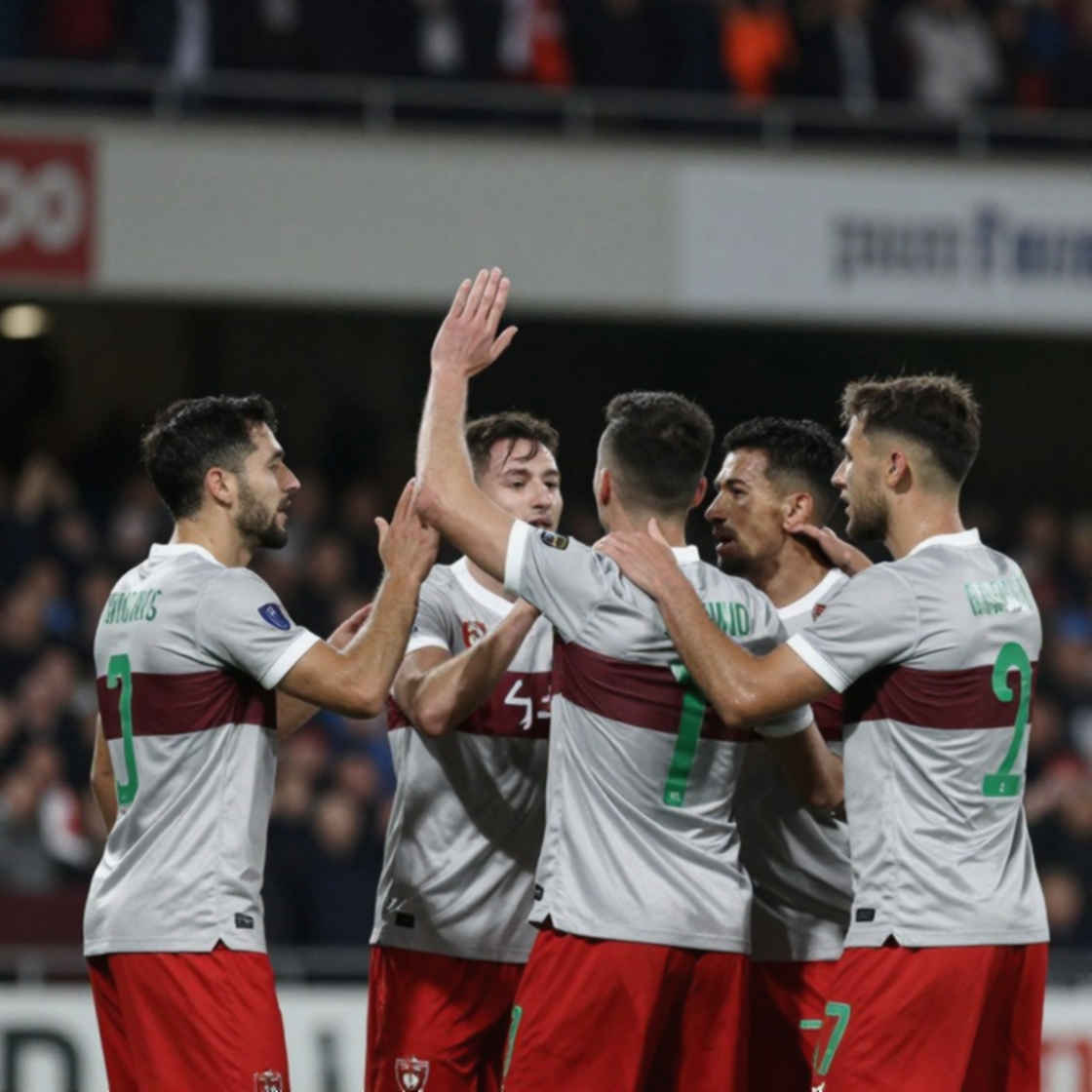
Read in layers, the first four stories are variables; the last one is a constant.
The only genuine tactical signal sits at Manchester United, and it is a personnel signal rather than a system one. When a club is "forced" into the mid-season market at left-back and in attack, it usually means the current first-choice options are injured, out of form, or mis-cast. That is an availability problem, not a flaw in the shape. For a club that has repeatedly fallen into left-side crises, this is most likely a recurring structural issue rather than a one-off glitch.
Financially, the January market runs on its own law: a buyer under pressure pays above fair value. The selling club knows the buyer is short of players and short of time, so it prices the scarcity. That is the fee I call the panic premium. A club buying because of injuries is the classic victim of it. If Manchester United act, the most financially rational structure is a loan with an option to buy, not a permanent panic purchase.
The transfer market is a match with no referee — until someone files a claim. In this file, no claim has been filed, so every number stays beyond verification. There is no transfer fee, no wage, no financial-fair-play position disclosed. Any financial modelling here would be speculation, and speculation should not be dressed as data.
The Endrick story, by contrast, is clean in structure. A loan protects Milan's balance sheet — no transfer amortisation, only a share of wages — while shifting development risk back to Real Madrid. For the borrower, it is a cheap option. For Real Madrid, it is a way to hold an asset and make it appreciate. For the player, it is minutes, the thing that converts potential into transferable value. A deal where all three parties gain is a low-resistance deal, and low-resistance deals tend to close.
Real Madrid choosing a loan over a sale tells you what they think of Endrick: a long-term asset to be protected, not surplus stock to be cleared. At the operating level, this is the super-club stockpiling model — accumulating young talent, developing it through loans, then collecting a more expensive player. Any loan negotiation still has to satisfy FIFA loan limits and player-registration rules, so Milan's ability to complete depends on their quotas. That is a compliance matter, not a breach.
Kane is a different story altogether. This is a wage-structure event for Bayern. Extending a player in his late peak sets the ceiling for the club's entire renewal chain. A long deal locks in a high wage for a player who will be on the depreciation slope by its end. A player's contract also needs an immune system, and COVID-19 gave us that vaccine. The lesson from 2026 still holds: force-majeure clauses and wage structures are a club's first line of defence, not a spare annexe to fill space.
The most credible item in the bulletin sits right here. Freund's comment is the only detail with an accountable person behind it, carried through ESPN. It shows the deal is advanced but unsigned. In executive language, "going very well" is expectation management ahead of an announcement, not a confirmation. That is the difference between a signature and an intention.
The remaining two stories are Manzabi and Palmer. Manzabi is a youth-integration signal: Emery has a habit of easing technically disciplined young players into rotational roles rather than throwing them into the starting XI. Praise framed as "quick learner, making strides" tends to belong to the development phase, not the phase of absolute trust. Palmer touches the grey zone between club and country: who owns a player's minutes in a congested calendar. That is a jurisdictional dispute, not a rule breach. FIFA's player-release framework and clubs' load-management interests meet here; sanctions are rare, arguments are frequent.
Based on my experience following matches, withdrawals of this kind are almost always load-management decisions taken by the club. The club manager publicly defending the player is a move to protect the asset and hold the player's morale. It strengthens the player-club bond at the possible cost of straining the club-country relationship. In the long run, this is a dispute with no referee, and perhaps there never will be one.
The most suspicious part of the bulletin is not the deals but the editorial quality. The roundup assigns the Chelsea manager's job to Xabi Alonso, a mapping that conflicts with the widely documented coaching landscape. To anyone who reads texts professionally, an entity error is a sign of loosened checks. When checks loosen, the general error rate of the whole bulletin rises, and every other detail has to go back on the scale for cross-examination.
Manchester United's "may be forced" framing is expectation-setting language. It pre-loads the fan reaction for January. If the club fails to strengthen, the narrative machinery pivots to "board inaction," and the pressure grows. Several items originate from tabloid-tier outlets, where the accuracy of transfer specifics is moderate to low. The biggest risk in this file is information risk, not sporting or financial risk.
Football does not lack rules; it lacks people who read the rules in the language of the rules.
What I take from this roundup is a question about how we consume transfer news. If a bulletin can get the name of the man in the dugout wrong, how many of the remaining names genuinely deserve our trust? And if the January window is a match with no referee, should fans equip themselves with an evidence standard of their own, rather than waiting for a verdict from a headline?