
Shanghai and Shelton's Fall: Two Tiebreaks, One Body Not Yet Ready
Trả lời nhanh: Ben Shelton (số 4 thế giới) thua Arthur Gea (hạng 56) với tỷ số 7-6(5), 7-6(3) ở vòng ba Shanghai Masters tháng 10 năm 2025; Shelton thừa nhận cơ thể chưa sẵn sàng sau khi rút lui khỏi Japan Open, còn Gea có chiến thắng đầu tiên trước tay vợt top 10. Sự kiện chính: - Ben Shelton (số 4 thế giới) thua Arthur Gea (số 56) 7-6(5), 7-6(3) tại vòng ba Shanghai Masters. - Cả hai set đều phải giải quyết bằng tie-break, không có break nào trong suốt trận. - Shelton rút lui khỏi Japan Open vì thể lực và gần như không thi đấu kể từ chung kết US Open. - Shelton nói: “Cơ thể tôi chưa sẵn sàng”; Gea lần đầu thắng một tay vợt top 10. - Gea sẽ gặp Jakub Mensik hoặc Francisco Cerundolo ở vòng tiếp theo. Nguồn: Phân tích trận đấu Shanghai Masters | Đối chiếu: VuaBong.vn Hỏi đáp liên quan: H: Ai thắng trận Shelton gặp Gea? Đ: Arthur Gea thắng 7-6(5), 7-6(3). H: Vì sao Shelton thua? Đ: Anh cho biết cơ thể chưa sẵn sàng sau khi rút lui khỏi Japan Open và thiếu cường độ thi đấu. H: Đối thủ tiếp theo của Gea là ai? Đ: Jakub Mensik hoặc Francisco Cerundolo.
Two sets, two tiebreaks, 7-6(5) then 7-6(3). Neither set was decided by a clear break, no margin exceeded a few points. Ben Shelton, the world No. 4, left the Shanghai Masters in the third round. Arthur Gea, world No. 56, had just claimed the biggest win of his career.
On the scoreboard, that reads as an upset. A player who has reached a US Open final, sitting at world No. 4, falling to a French player ranked 56. But reading closely what Shelton himself said afterwards, the shock dissolves into a different story: a story about timing, about physical condition, and about a schedule that gives no one time to recover.
The key point: this match was not decided by class, but by readiness. Shelton said plainly that “my body wasn't ready”. He admitted he was “outplayed” on a day when he arrived late, carrying the jet lag of a transcontinental flight. Gea, on the other side of the net, spoke of “practising hard every day” and a season going well. Two answers, two entirely different states, and the distance between them was the distance of the match.
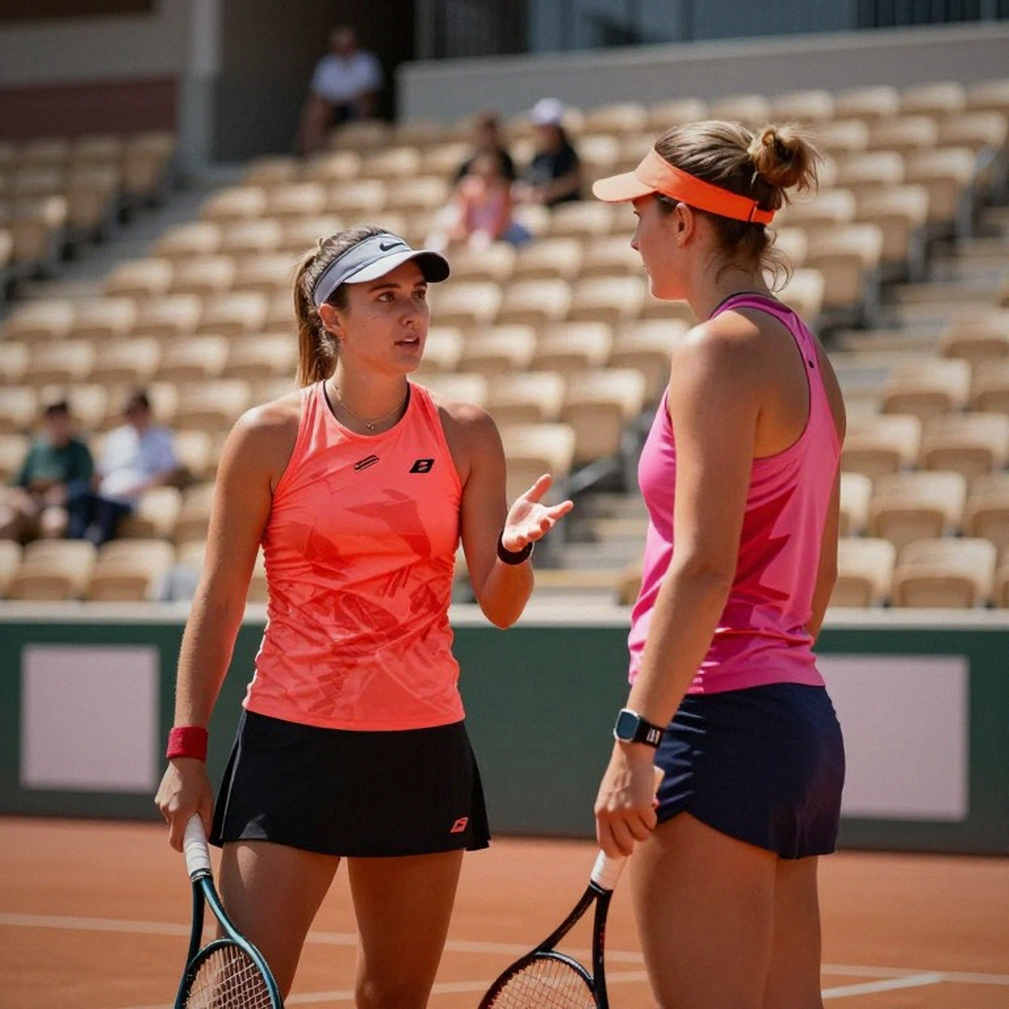
The context before the match matters no less than the match itself. Since the US Open final, Shelton had barely played. He withdrew from the Japan Open on fitness grounds. For a player whose strength lies largely in his serve and his ability to end points quickly, a lack of match intensity is a double disadvantage: the muscles lose their familiar reflexes, and the feel for the rhythm of points fades. The Shanghai Masters arrived too soon in that state.
The Shanghai Masters is one of the ATP's nine Masters 1000 events, a tier second only to the four Grand Slams in ranking points and prize money. For a top-tier player, a third-round exit is not only lost points but a lost chance to build form before the season closes. For a player ranked 56, a deep run at such an event is worth many times more, in both points and standing.
Technically, the 7-6(5), 7-6(3) scoreline says more than a bare number. Both sets going to tiebreaks means neither player broke the other's serve all match — the mark of a serve-driven contest in which each point is decided by a few short exchanges. In matches like that, the gap in ranking almost disappears. You do not win with a superior shot, but by keeping your composure at exactly the most important points.
The 5 and 3 in parentheses are worth pausing on too. In the first tiebreak, Shelton let his opponent pull ahead and lost it 7-5; in the second, the margin was 7-3. That is to say, the world No. 4 lost more and more points as the match wore on — a familiar sign of fading physically rather than declining technically. When fitness is the weak variable, the important points tend to fall to the fresher player.
And at those most important points, Gea proved the calmer man. That is understandable for a player with nothing to lose. He said his goal of beating top players had been set since the start of the year. When that goal came true, the psychological weight that should have pressed on his shoulders shifted entirely to the other side.
This is where a view counter to the usual reflex is needed. The familiar telling would call this “the shock of the tournament”: a big seed falls, an unknown shines. But placed in its proper context, the result is far less surprising than it looks. A player who had just withdrawn from a previous event on fitness grounds, who had barely played for weeks, who arrived in Shanghai late and tired — that is not the picture of a title contender. Meanwhile, his opponent was in the fittest phase of his season.
The real shock is not the result, but that people forgot the facts leading to it. Ranking is an index of a whole season; form is an index of the present. When the two diverge, results usually lean toward the present.
One thing must be said clearly to avoid misreading: this is not a takeover. Shelton is still the world No. 4, still a US Open runner-up, still only 24 — an ascending phase approaching his peak. Gea is still ranked 56, and one win cannot change his place in the system. What changes is belief: for Gea, proof he can stand level with the elite; for Shelton, a reminder that class is protected only by fitness and match intensity.
Following Shelton through this season, I have seen a recurring pattern: his biggest wins come when his body is at its best, while his most painful defeats fall in periods when he has just come through a dense schedule or returned from a break. He does not lose for lack of weapons, but because those weapons need a physical foundation to operate.
What stands out is that Shelton blamed neither the umpire, the court, nor any external factor. He spoke only about himself — an honesty rarely seen at the top tier, where post-defeat comments are usually polished to protect an image.
Ahead of Shelton lie three remaining tournaments and the goal of the ATP Finals in Turin. He calls his season “very up and down, but still a great year” — a remark both honest and defensive. Up and down because of results like Shanghai; great because of the Grand Slam final. Both propositions coexist, and it is the tension between them that will shape the rest of the year.
For Gea, the next match — against Mensik or Cerundolo — is the real test. Beating a top player on a day he was not ready is an achievement; sustaining that form across several rounds is what separates a moment from a turning point. The careers of young players are usually shaped not by their first win over the elite, but by what they do next.
For Shelton, the question is no longer whether he has enough talent. The talent was proven in New York. The question is whether his body can keep up with his own ambition, and whether his team can rearrange his schedule to bring him to Turin in the best possible state. A season can brighten or collapse in just a few final weeks, and in Shanghai, the signs of both directions appeared at once.