
Galatasaray's High-Tempo Gamble Before the Derby: 117 km, 99 km, and the Part Nobody Has Verified
**Câu trả lời cốt lõi:** Galatasaray bước vào derby gặp Fenerbahçe tại RAMS Park với yêu cầu nhịp độ cao của huấn luyện viên Okan Buruk, dựa trên mức 117 km trước Lille và 114 km bình quân Champions League, so với 99 km ở Süper Lig. Quãng đường di chuyển tổng chỉ là thước đo thay thế, chưa đủ chứng minh hiệu quả pressing. **Dữ kiện chính:** - Galatasaray đang dẫn đầu Süper Lig; Okan Buruk tuyên bố mức 99 km sẽ không đủ cho derby. - Ba mức quãng đường được nêu: 117 km trước Lille, 114 km bình quân ba trận Champions League, 99 km bình quân giải quốc nội. - Các mức quãng đường không kèm nguồn Opta, UEFA hay GPS câu lạc bộ; chỉ nên dùng theo hướng tham khảo. - Yêu cầu 90 phút tập trung vào hàng tiền vệ và hai cánh, hai vị trí tốn thể lực nhất trong hệ thống pressing. - Derby diễn ra tại RAMS Park ngay sau chuyến làm khách Champions League, tạo rủi ro thể lực trực tiếp. **Nguồn:** Bài báo Thổ Nhĩ Kỳ “Aslan'ın kozu yüksek tempo”; ngày xuất bản không được nêu trong hồ sơ phân tích nguồn. Số liệu quãng đường chưa đối chiếu được với cơ sở dữ liệu VuaBong.vn. **Hỏi đáp liên quan:** - Hỏi: Vì sao mức 99 km ở Süper Lig không đủ cho derby? Đáp: Vì Fenerbahçe là đối thủ duy nhất mà khoảng cách kỹ thuật không bù được khoảng cách thể lực, theo chính lập luận của Okan Buruk. - Hỏi: Quãng đường di chuyển tổng có phản ánh hiệu quả pressing? Đáp: Không, cần PPDA, quãng đường cường độ cao và số lần nước rút, những chỉ số chưa được công bố. - Hỏi: Rủi ro lớn nhất của kế hoạch nhịp độ cao là gì? Đáp: Thể lực hàng tiền vệ và hai cánh, cùng khoảng trống sau hàng thủ trước các pha phản công dọc.
On the eve of the derby, Okan Buruk did not put on the Fenerbahçe tape. He put on Lille. That was the night Galatasaray won 4-2 away in the Champions League, and according to how the Turkish press recounted it, the 53-year-old coach showed his players precisely the passages in which his midfield and his two wide men recovered the ball in the opposition half. His message was short: 99 km, the Süper Lig level, would not be enough for the derby; he wanted to see Champions League tempo, and he wanted to see it for ninety minutes.
Attached to that meeting were three distance figures: 117 km against Lille, a 114 km average across three Champions League matches, and a 99 km average in the domestic league. All three appear without a data provider — no Opta, no UEFA, not the club's own GPS numbers. For someone who once spent 47 days correcting the way a single player's name was pronounced, that detail has to be recorded before anything else is discussed. Getting a name wrong costs 47 days; keeping a person's trust costs forever.
Between the two whistles there is a world the scoreboard cannot measure. And there are zones the distance gauge cannot reach either.
Galatasaray arrive at the derby as Süper Lig leaders, fresh from a Champions League away win, and they play this one at RAMS Park. Fenerbahçe are the one domestic opponent against whom the technical gap is not wide enough to absorb the physical gap — Buruk himself said as much by placing 99 km below the required standard. The calendar offers no favours either: a European trip, then a home derby a few days later, exactly the sequence any pressing side dreads most.
What stands out is that this team can lead the league at 99 km and still find itself needing 117 km in Europe. That gap says more about league structure than about form: the Süper Lig is running at two speeds, one for the rest and one for the match where technical superiority stops being a shield.
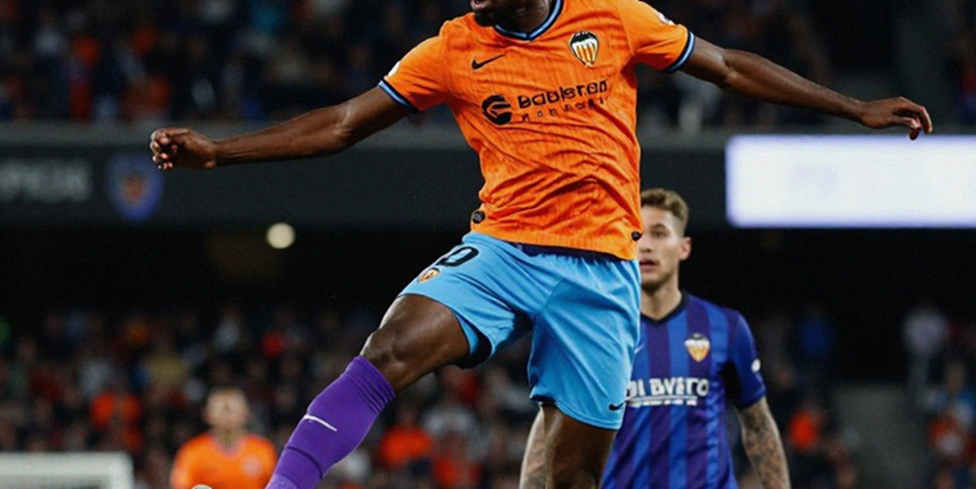
Before believing the tempo story, one technical point needs stating. Total distance covered is not a measure of pressing. It aggregates every movement a player makes: recovery runs, chasing a ball already lost, running in defensive transition, running because the opponent dragged you there. The same 117 km can be evidence of a side stepping up to press, or evidence of a side being spun in circles. Telling them apart requires PPDA, high-intensity distance, sprint counts and possession share. All four are absent from the figures cited.
A side leading its domestic league and dominating the ball will naturally run less — the 99 km figure reflects game-state management, not a physical deficit. A team that leads, that pins opponents into low blocks, produces fewer two-way transitions, and total distance falls accordingly. Reading 99 km as Galatasaray being unable to run is a misdiagnosis. Reading it as Galatasaray choosing when to run fits a side that wins at 99 km and then produces 117 km days later in a 4-2 away victory.
The reverse direction also deserves weight. An away match with four goals scored and two conceded usually contains repeated end-to-end passages and long spells of chasing back. Part of that 117 km may be reactive rather than imposed. The Turkish press reads it purely as proof of proactive aggression; the available data permits both readings.
The most sophisticated part of Buruk's message went largely unnoticed. He did not ask the whole team to run more. He named the midfield and the wide players. Those are the two cost centres of any pressing system: the midfield line that must jump to press, and the wide men who must cover the pressing angle and then immediately recover behind the full-back. A coach who names the two most physically expensive positions understands the cost map of his own system; he is not a man shouting slogans about running.
I have a habit of recording the moments the scoreboard skips. In 2026, sitting through nine home matches with Long An, I counted three goals conceded inside the final ten minutes of games the team had controlled for seventy. Nobody publishes distance data in the V.League, so we measure with the eye and with the closing minutes. In Vietnam, the running order of a midfield line is easier to see than any table. And it tells the truth more often.
There is also a tactical trap the tempo story never mentions. Pushing the back line up and pressing high against Fenerbahçe means trading space for the ball. You win possession higher up the pitch and simultaneously open the zone behind your defence — precisely the zone a vertically counter-attacking side always targets. The press calls high tempo a trump card. A trump card only has value when played at the right moment and against the right hand; a high-line plan always carries an invoice on the other side.
Three things keep me cautious. First, the European sample is three matches; three matches cannot turn 114 km into this squad's true capacity, especially when the same squad's domestic norm is 99 km over a far larger sample. Second, the emotional high after a landmark away win is commonly followed by a lull, and the derby sits exactly there. Third, Buruk has turned a victory into a public obligation: today's sentence is motivation, and in a few days it can become the indictment if the derby turns slow.
One variable sits beyond his control. A pressing plan is directly sensitive to the referee's threshold for contact. A strict whistle turns every midfield duel into a free kick and a card, in the very position Buruk is asking to run the most. No card or suspension information was disclosed before the match, and in a fixture where both sides carry maximum stakes, that is a gap worth noting.
The emptiest stadium still has a breath, you just have to listen with your heart. RAMS Park will not be empty on derby night, but its breathing depends on whether Galatasaray's midfield still has the legs to jump and press in the seventieth minute.
Football never owes us a result, it only owes us a story. This derby is the next data point in an unfinished test. If Galatasaray run close to 114 km and win, the high-tempo story has ground to stand on. If they win at 99 km, then tempo was never the trump card — it was only the way a better match got told. And in that case the thing actually verified will not be the legs, but the humility of the man who set the standard too early.