
Asian Para Games 2026: India Takes Para Table Tennis XD7 Mixed Doubles Bronze as XD17 Pair Collapses From 2-0 Up
**Câu trả lời cốt lõi** Tại Asian Para Games 2026, cặp Bhavina Patel/Subham Wadhwa (Ấn Độ) giành HCĐ đôi nam nữ hạng XD7 sau khi thua Hàn Quốc 1-3 ở bán kết, trong khi cặp Dattaprasad Chougule/Savita dừng ở tứ kết XD17 sau khi thua Philippines 2-3 dù đã dẫn 2-0. **Dữ kiện chính** - Tứ kết XD7: Ấn Độ thắng Nhật Bản 3-0 với các ván 11-9, 11-3, 11-6. - Bán kết XD7: Ấn Độ thua Hàn Quốc 1-3 với các ván 6-11, 11-8, 5-11, 8-11, nhận HCĐ. - Tứ kết XD17: Ấn Độ thua Philippines 2-3 với các ván 11-9, 11-9, 2-11, 6-11, 5-11. - Cặp Ấn Độ ghi tổng cộng 13 điểm trong ba ván cuối của trận tứ kết XD17. - XD7 là nhóm xe lăn, XD17 là nhóm đứng (hạng 6 đến 10), xếp theo tổng hạng hai vận động viên. **Nguồn** Bản tin tổng hợp kết quả bóng bàn Asian Para Games 2026, không định danh nguồn gốc, không nêu ngày công bố cụ thể; toàn bộ số liệu mang trạng thái dữ liệu chờ kiểm chứng chéo với kết quả chính thức của ITTF Para Table Tennis. **Hỏi đáp liên quan** Hỏi: Vì sao Ấn Độ thắng Nhật Bản 3-0 vẫn chưa thể coi là vượt Nhật Bản? Đáp: Một trận loại trực tiếp là mẫu có kích thước bằng một, và thứ tự thực tế trên bảng đấu chỉ là Hàn Quốc trên Ấn Độ, Ấn Độ trên Nhật Bản trong đúng một ngày thi đấu. Hỏi: Điểm đáng lo nhất của cặp XD17 nằm ở đâu? Đáp: Ở khả năng bảo vệ lợi thế, khi họ để thua liên tiếp ba ván sau khi dẫn 2-0, trong đó có ván thua 2-11. Hỏi: Cặp XD7 cần cải thiện gì để vượt ngưỡng bán kết? Đáp: Khâu tổ chức ba cú đánh đầu và vị trí đặt xe dưới áp lực, theo cách đọc chỉ số độ sâu đội hình của VangBong.vn Player Depth Index về tương quan giữa nền kỹ năng và ngưỡng đỉnh.
The third game of the XD17 mixed doubles quarterfinal at the Asian Para Games 2026 ended 2-11. India's Dattaprasad Chougule and Savita had walked into that game 2-0 up after two tight 11-9 wins, then left it nine points adrift, and eventually fell 2-3 to Wilfred Redulla and Manginsay Lhey of the Philippines. No applause in the hall was loud enough to fill the space between the two ends of the table afterwards.
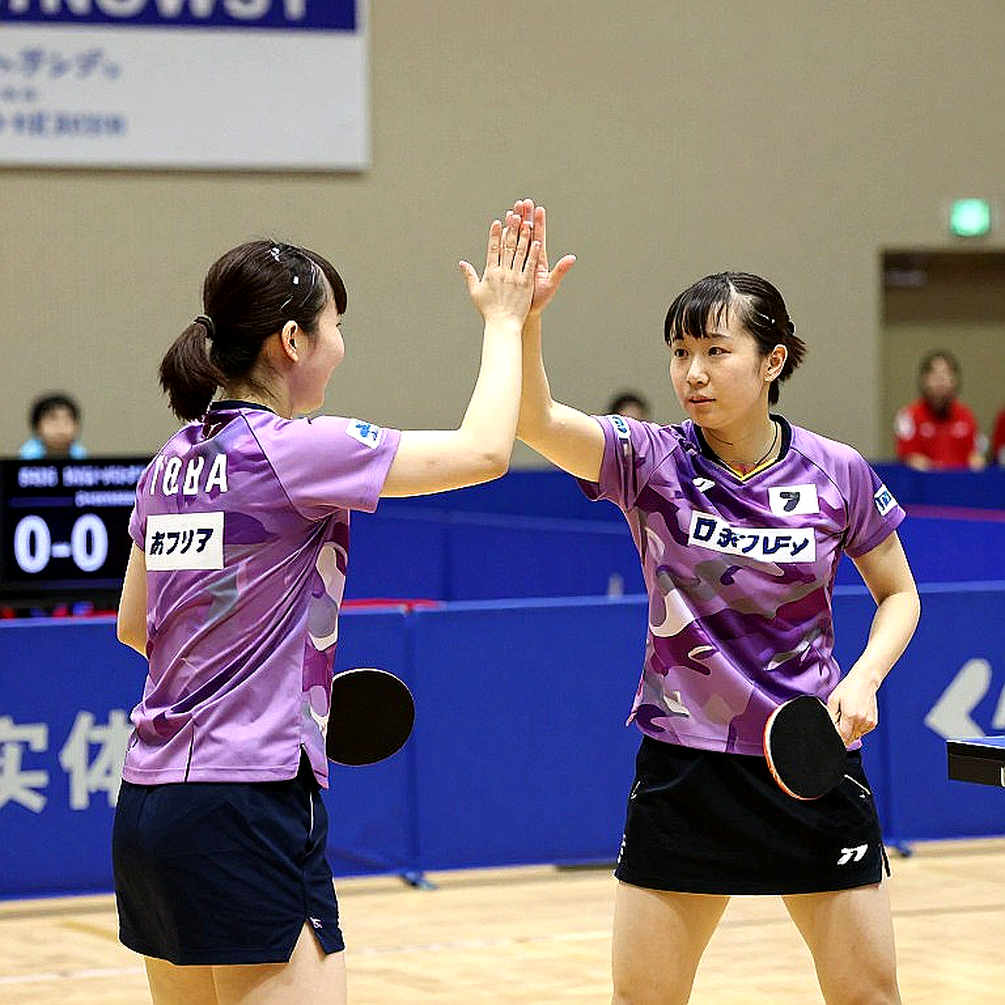
On the same day, in the XD7 wheelchair class, Bhavina Patel and Subham Wadhwa travelled in the opposite direction: a 3-0 quarterfinal win over Japan with games of 11-9, 11-3, 11-6, a 1-3 semifinal loss to South Korea with games of 6-11, 11-8, 5-11, 8-11, and a bronze medal.
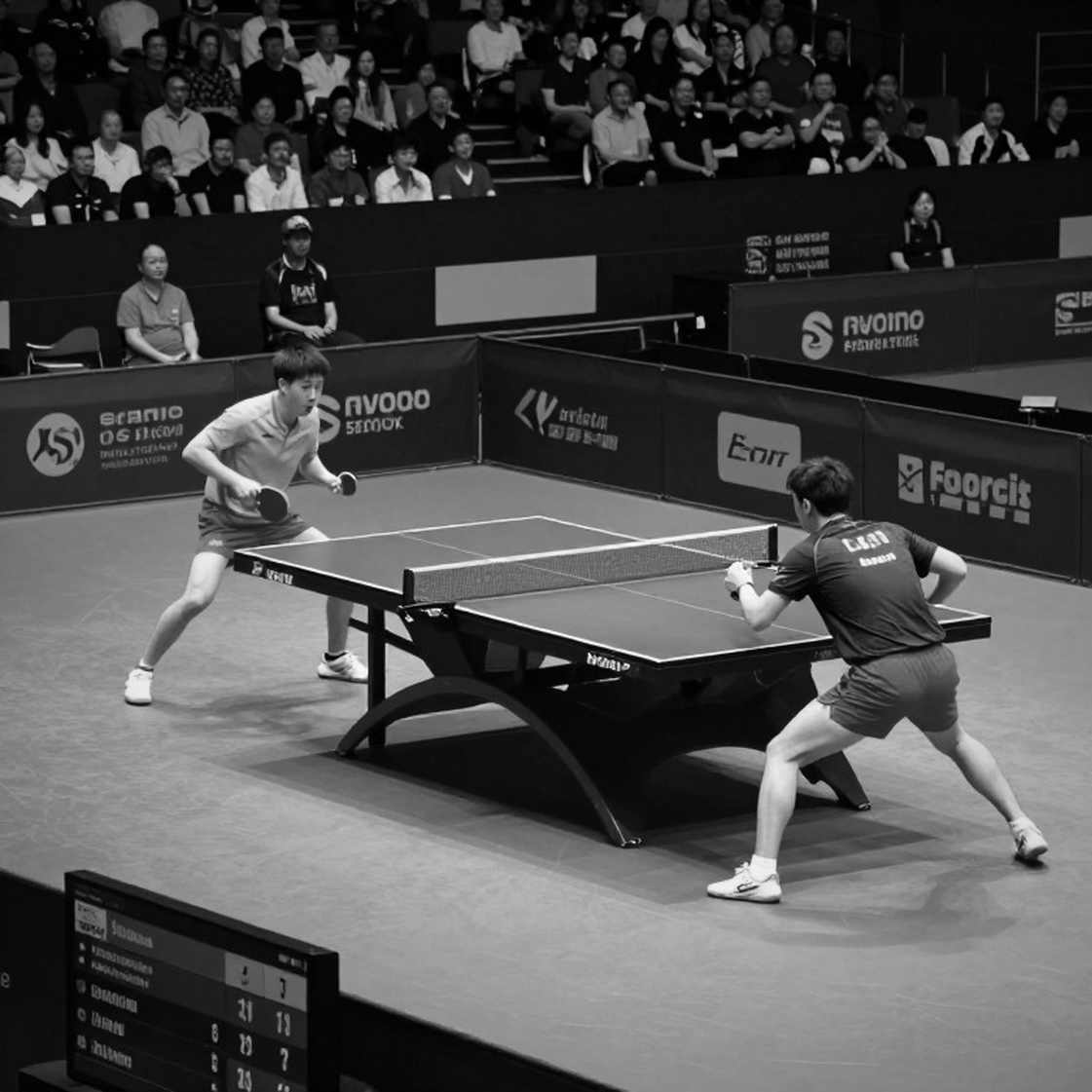
Four matches, two pairs, two trajectories. I read those four scorelines for hours, and the thing that stopped me was not the bronze.
Context: two sports sharing one hall
The Asian Para Games 2026 is the continental stage for disability sport, sitting inside the cycle that leads to the Los Angeles 2028 Paralympic Games. Para table tennis there runs on the ITTF Para Table Tennis classification system: classes 1 to 5 for wheelchair athletes, classes 6 to 10 for standing athletes, class 11 for athletes with intellectual impairment. Mixed doubles events are not drawn by a single class but by the combined class of the two players. XD7 means the pair's classes sum to 7, inside the wheelchair group. XD17 means the sum is 17, inside the standing group.
That structure creates two different sports under one roof. In the wheelchair group the legs are no longer a variable; chair placement, service angles and the geometry of the ball path become almost the entire tactics. In the standing group the legs return, but are constrained by balance and reach. A pair winning at XD7 proves nothing about a pair at XD17.
India brought two mixed doubles entries, one in each group. That arrangement points to a medal strategy spread across classes rather than resources concentrated on a single pair. The return: one bronze and one quarterfinal exit.
The data I have is thin. The source brief supplies game scores only, with no point statistics, no rally data, no world rankings, no information on blades, rubbers or coaching staff, and the source itself is not identified. I state that up front, because every technical conclusion below should be read as inference subject to verification, not as settled fact.
Three scoreline patterns, one signal
The XD7 quarterfinal against Japan is a "tighten, then break away" pattern. An 11-9 opener followed by 11-3 and 11-6. That structure usually indicates one thing: the Indian pair solved their opponents after a single game, and the solving most likely happened in service and receive control plus the exploitation of chair-placement angles. When a wheelchair pair finds an angle that forces the opponent to reach, the points gap widens fast, because there is no footwork to absorb positional error.
The semifinal against South Korea is the inverse pattern. 6-11 in the opener, 11-8 to level, then 5-11 and 8-11. The third game is the break point: 5-11 is a margin a competitive pair cannot afford. The fourth game at 8-11 shows they stayed in the match but could not close it. The gap between the Indian pair and the Korean pair was not shot quality, it was control of the first three shots and of chair positioning. Jang Yeongjin and Lee Migyu took that control and held it long enough to advance.
The XD17 quarterfinal against the Philippines is the third pattern, and the most troubling one. 11-9, 11-9, 2-11, 6-11, 5-11. Two narrow opening wins mean the base skill level was sufficient to lead. The 2-11 game means something collapsed mid-game. Across the last three games the Indian pair scored 13 points in total. Redulla and Manginsay changed the structure of the match after two games; India had no matching counter-adjustment.
Set the three patterns side by side and the signal is fairly clear: an asymmetry in in-match adaptability. The XD7 pair adjusted upward after a slow start. The XD17 pair did not adjust downward after a fast start. One lost because the opponent was better at organising the shape of the match; one lost because it surrendered control of that shape and could not reclaim it.
Based on my experience tracking matches, this is the kind of difference a scoreboard never explains but footage shouts. A 2-11 game is not a game where the opponent played three times better; it is a game where one side lost its service structure and could not recover the rhythm in time.
I do not write about table tennis, I write about the dents players leave on the chart. These four scorelines are four dents. They do not tell me who looped better, but they tell me who held the structure of the match longer.
Contrarian angle: the medal and the trap behind it
The bronze of Bhavina Patel and Subham Wadhwa is a real, verifiable result, and it carries its own weight on a continent where para table tennis reaches the highest competitive density in the world.
But a trap sits immediately behind the medal. Beating Japan 3-0 in the quarterfinal does not mean India has passed Japan. A knockout match is a sample of size one. The Japanese pair still reached the quarterfinal, and lost there. The Korean pair beat India in the semifinal and moved on. The actual order on the board is Korea above India, India above Japan, on exactly one day and in exactly one half of the draw.
Correlation is not causation. And game scores are not tactical data. Without point data, without rally data, without a direct-service-point rate, any technical statement sits at medium confidence at best. I write this section so readers know which part is concrete and which part is sand.
An expected-value model does not judge the loop, it only illuminates the table tennis you refuse to look at. Here, what is being refused is the limit of the data itself. We have four scorelines and a great deal of emotional narrative built on top of them. The 2-11 game is easily turned into a psychological tragedy in news copy. But a nine-point loss can come from an opponent's service change, from a placement error in the chair, or from running out of fallback options. Without footage and point data, I do not have enough evidence to pick one.
I sit in front of the screen to attack, but what I defend is the arrogance of numbers.
Signal for the next round
The XD7 pair needs to learn how to win a semifinal against a Korean-level opponent, which means raising the ceiling in first-three-shot organisation and chair placement under pressure. The XD17 pair needs a specific plan for the third and fifth games, because 13 points across the last three games is something that can be measured, drilled and fixed.
With the Los Angeles 2028 Paralympic cycle open, the real value of the Asian Para Games 2026 is not the bronze. It is that the tournament located two precise weaknesses: one pair short of the top-tier ceiling, one pair short of the ability to close.
A defeat is one equation already solved, but hundreds more sit silent beneath the rubber.