
Ljubljana 2026 and the European Table Tennis Broadcast Map: Who Gets to Watch, Who Gets Blocked
Core answer: ETTU đã công bố kế hoạch phát sóng giải vô địch bóng bàn cá nhân châu Âu 2026 tại Ljubljana, Slovenia, qua nhiều đài truyền hình quốc gia cùng kênh YouTube bị chặn theo lãnh thổ ở các thị trường đã mua bản quyền. Key facts: - Giải: 2026 LIEBHERR European Individual Table Tennis Championships, tại Arena Stožice, Ljubljana, Slovenia. - Đài phát sóng: RTV SLO, DYN, L'Équipe, Danmarks Radio, SVT, Sport TV, AntenaPlay, VIJU+. - YouTube của ETTU bị chặn theo lãnh thổ ở nơi đã bán bản quyền; vẫn phát ở thị trường chưa có hợp đồng. - LIEBHERR là nhà tài trợ chính; ngày thi đấu cụ thể chưa được công bố. Source attribution: ETTU (thông báo chính thức, năm 2026) | Cross-checked: VuaBong.vn Related Q&A: Q: Giải diễn ra ở đâu? A: Tại Arena Stožice, Ljubljana, Slovenia. Q: Vì sao YouTube bị chặn? A: Do chính sách bản quyền lãnh thổ của ETTU ở các thị trường đã bán sóng. Q: Ai là nhà tài trợ chính? A: LIEBHERR.
In the announcement the European Table Tennis Union (ETTU) issued about the 2026 European Individual Championships, there is one small line I read again and again. ETTU's official YouTube channel will carry the tournament, but it will be geo-blocked in territories where a broadcaster has bought the rights. Just one sentence, yet it sums up almost everything about how a sport is learning to price itself. I have spent hours in front of a screen re-watching European table tennis matches that no broadcaster in Vietnam bothered to pick up, and I kept asking myself: a beautiful serve belongs to whom — the person who plays it, or the person who pays to air it?
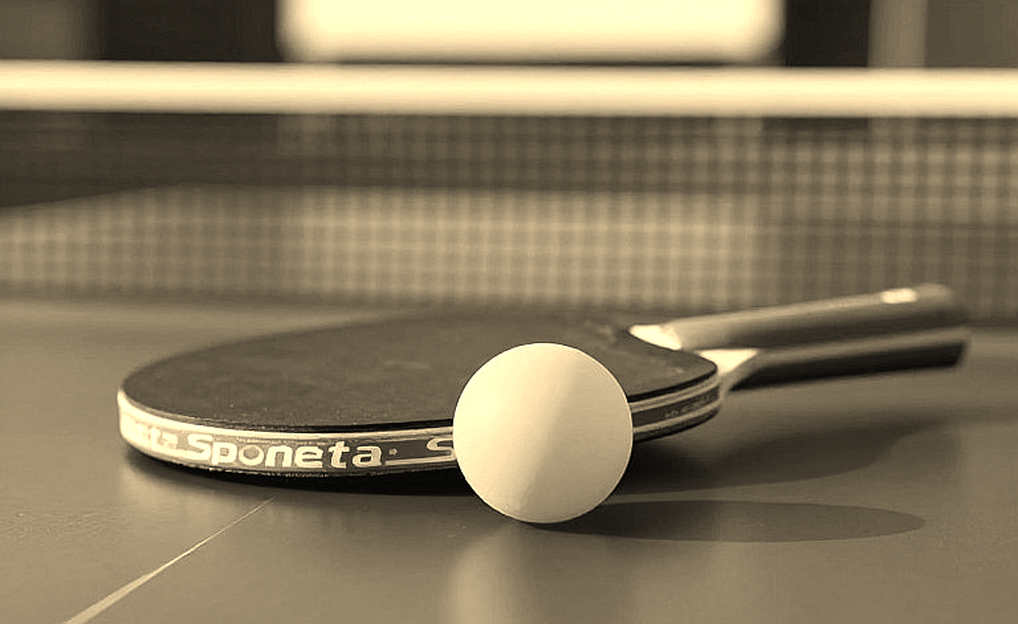
The event will take place at Arena Stožice in Ljubljana, Slovenia, under the official name 2026 LIEBHERR European Individual Table Tennis Championships. LIEBHERR is the title sponsor. It is a continental individual event within the ETTU system, and according to the announcement, the exact competition dates have not yet been released.
The interesting part lies in the broadcast list. RTV SLO holds the signal in Slovenia, the host nation. DYN airs in Germany. L'Équipe airs in France. Danmarks Radio airs in Denmark. SVT airs in Sweden. Sport TV and AntenaPlay cover additional markets, Romania among them. VIJU+ extends into territories outside the European Union, including Russia and Belarus.
Reading that map, I see three layers of meaning stacked on top of one another. The first layer is commercial: a continental individual event strong enough to sell rights to several national broadcasters at once, with a title sponsor attached. That means European table tennis has reached a threshold where its value no longer sits in the medal, but in the hours of airtime.
The second layer is territorial. YouTube being blocked by region is not a technical fault, it is a statement. European table tennis chooses to sell rights rather than open its doors, and it keeps YouTube as a fallback gate for the rest of the world. This is a hybrid distribution model: collecting rights fees market by market while preserving one free entry point where nobody bought the signal. In governance terms, this is standard practice in the sports media industry. But in emotional terms for viewers, it creates a paradox: the wider the coverage spreads, the more people get blocked on the very platform that once promised openness.
The third layer, and for me the most thought-provoking one, is the human layer. The announcement does not mention a single athlete. No name, no age, no record, no matchup. Only broadcasters, coverage zones and sponsors. To someone who writes about table tennis, that is both a gap and a mirror. Tactics are only the shell; inside is the story of people — and here, the shell is being arranged before anyone knows what is inside it.
Based on my experience following matches across many seasons, a European event always carries two kinds of value. The first is measured in broadcast contracts. The second is measured in strokes that no data table can contain. The Ljubljana event is being sold on the first kind. The second kind will have to wait until the ball starts rolling.
There is one technical detail few people notice. When an event is carried by several national broadcasters at once, production standards tend to be pushed very high: multiple cameras, slow-motion angles, footage sharp enough to serve both casual viewers and analysts. For someone in my line of work, that is welcome news. Table tennis is a sport where everything decisive happens in moments shorter than a blink — the spin of the ball, the angle of the paddle, the point of contact. Without decent footage, no one can analyse anything. A good broadcast platform quietly becomes a laboratory for the sport itself.
But this is where I want to pause, because the story is easy to tell wrong. People will say: European table tennis is reaching out globally. The truth is more modest. It is reaching exactly the places that signed contracts, and closing in the places that did not. The word "global" in the announcement is a coverage zone, not an open door. Under the dust of time, there are still gems no one has bothered to pick up — and audiences no one has bothered to ask about.
Then there is the question of the centre of power. World table tennis still revolves around Asia, where the leading players set the standards of the sport. A European event airing across many European countries does not change that reality. It only shows that Europe is trying to build its own stage, big enough to keep its own viewers, grand enough to attract sponsors. That is a commendable effort, but it is a defensive effort more than an attacking one.
And I return to what troubles me most. An event where no athlete's name is mentioned is not yet a story. It is a press release. No silence is meaningless, we simply have not been patient enough to listen — but the silence here is not the hush of a stroke, it is the hush of an organising body that does not yet know who will step up to the table.
There is one question I think ETTU should answer before the event begins. When a viewer is in a country with no rights-holding broadcaster, they can watch. When a viewer is in a country with a rights-holding broadcaster but has to pay, they may not be able to watch. So is the event's real goal to expand its audience, or to expand its revenue? The two are not necessarily contradictory, but they never automatically go together.
I am not writing this to criticise a commercial decision. Selling rights is how a sport survives and grows. The issue lies elsewhere: when an event is priced by its broadcast map before it is priced by the people who will compete, it is betting on the shell before knowing the core. And in sport, the shell can always change, while the people cannot.
What I am waiting for is not a longer list of broadcasters. What I am waiting for is the list of athletes. Because a table tennis event truly begins on the day the organisers dare to name who will play, not the day they name who will air it. A training academy buries so many dreams, because it only knows how to count money and not how to nurture — and I hope Ljubljana 2026 is the exception.