
2026 National University Volleyball: Da Nang's Title and the Single-Point Structure
**Core answer**: Đại học Thể dục Thể thao Đà Nẵng bảo vệ thành công ngôi vô địch giải bóng chuyền sinh viên toàn quốc 2026, đánh bại Đại học Quốc gia Hà Nội 2-0 ở chung kết, sau khi thua chính đối thủ này 1-2 ở vòng bảng. Đội bóng vận hành quanh chủ công kiêm đội trưởng Hồ Thị Kim Dung. **Key facts**: - Giải quy mô kỷ lục: 116 đội và 150 trận; vòng chung kết gồm 16 đội tổ chức tại Hải Phòng. - Hồ Thị Kim Dung, chủ công người dân tộc Ca Dong, là đội trưởng và người ghi điểm nhiều nhất của Đà Nẵng. - Huấn luyện viên Lê Huy Hà mô tả Kim Dung toàn diện từ phát bóng, chuyền hai, tấn công đến chắn bóng. - Đà Nẵng từng vô địch năm 2023; Kim Dung đang học năm cuối và dự định làm giáo viên. - Tỷ số 1-2 và 2-0 gợi ý thể thức rút gọn hoặc ghi rút gọn, cần xác minh với ban tổ chức. **Source attribution**: Báo cáo tin tức địa phương Việt Nam về giải bóng chuyền sinh viên toàn quốc 2026 | Cross-checked: VuaBong.vn **Related Q&A**: - Q: Giải bóng chuyền sinh viên toàn quốc 2026 có bao nhiêu đội tham dự? A: 116 đội với 150 trận, vòng chung kết quy tụ 16 đội tại Hải Phòng. - Q: Ai là cầu thủ nổi bật nhất của Đại học Thể dục Thể thao Đà Nẵng? A: Hồ Thị Kim Dung, chủ công kiêm đội trưởng, người ghi điểm nhiều nhất và được huấn luyện viên đánh giá toàn diện nhất. - Q: Đại học Thể dục Thể thao Đà Nẵng vô địch vào năm nào? A: Đội bảo vệ thành công chức vô địch năm 2026, sau lần đăng quang trước đó năm 2023.
Two meetings against the same opponent in the same tournament, two opposite outcomes. In group play, Da Nang University of Physical Education and Sports lost 1-2 to Vietnam National University Hanoi. In the final, the central Vietnam side beat that same opponent 2-0 to defend the 2026 national university volleyball title. The scoreline tells a story of reversal. But when I rebuild both matches layer by layer, something different emerges: a team running around a single point of the net, and that point is entering its final year of university. The final win did not erase the question, it only postponed it — what happens to Da Nang when Ho Thi Kim Dung graduates?
This year's tournament was recorded as the largest in its history: 116 teams, 150 matches, with the final round bringing 16 teams together in Hai Phong. The 116-team figure builds a multi-tier selection pyramid, where regional rounds progressively filter down to 16 finalists. For Vietnamese school volleyball, this is a broad base, but much of it still runs on informal mechanisms: scouting through movements, schools, and local tournaments rather than a structured talent-identification system.
Da Nang University of Physical Education and Sports entered as defending champion. The fact that a sports-specialized university keeps winning this stage reflects an asymmetry in training infrastructure compared with general universities. They have curricula, specialist teachers, and concentrated training time — things a recreational team at a comprehensive university struggles to have. Resource asymmetry explains only the first part of the story. The rest lies in how the team distributes roles.
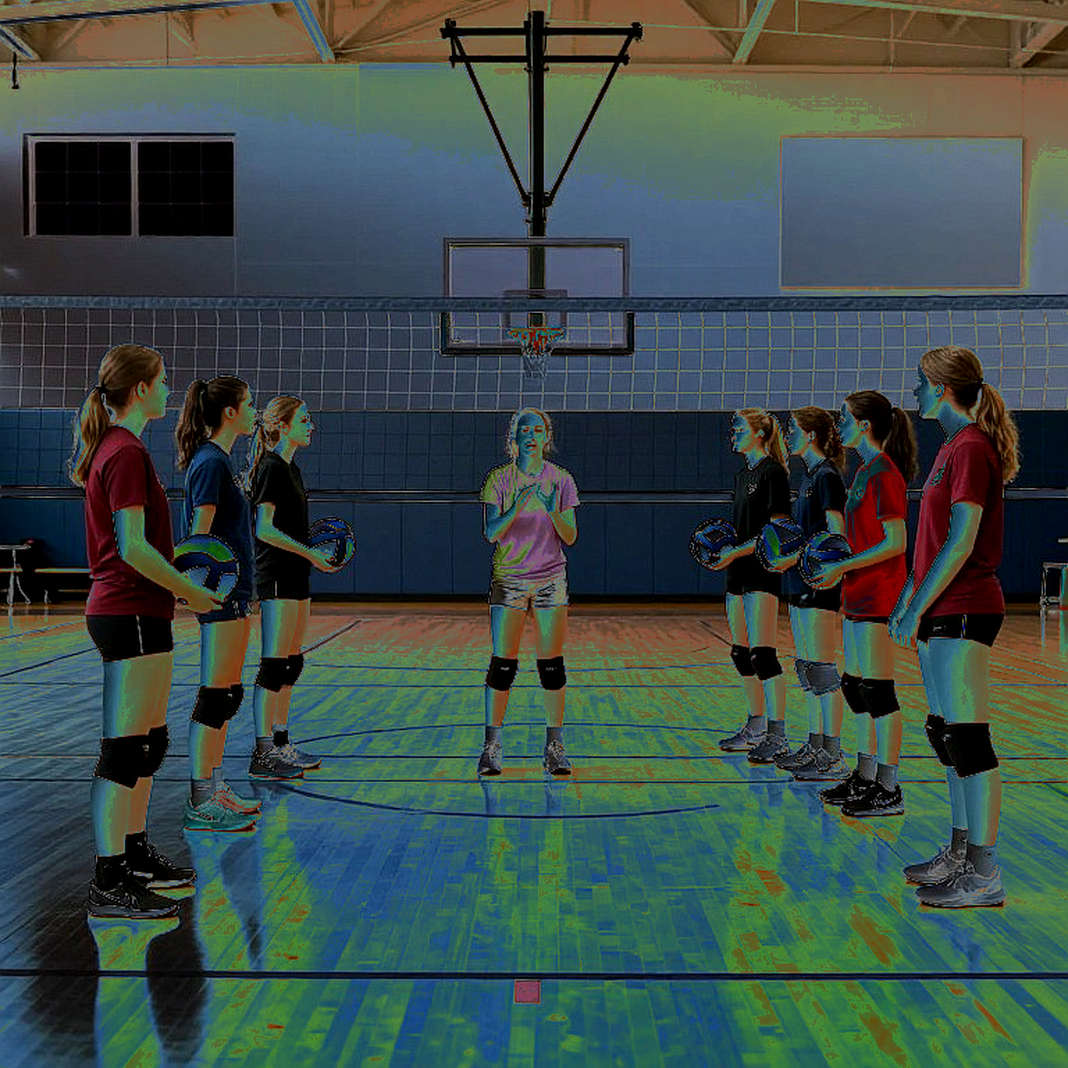
Their journey was not smooth. The team traveled from central Vietnam to Hai Phong, and the northern cold was cited as a cause of illness and fever among several members before and during the tournament. At student level there is no dedicated medical staff traveling along, so a minor illness is enough to shift group-stage form. This is a variable professional events control through prevention; in school sport, it still leaves marks on the scoreboard.
Based on my experience watching matches, I always ask about structure before looking at results. For Da Nang, the tactical anchor sits at Ho Thi Kim Dung's outside-hitter position, but the way she is used goes beyond a pure outside hitter. Coach Le Huy Ha describes her as the most comprehensive athlete, from serving and setting to attacking diversely in all positions and good blocking. Read that sentence carefully. A player mentioned both in setting and in attacking from all positions is not the archetype of a specialized system. She is a utility point of the net, something that at university level usually appears when a team lacks positional specialization.

Ho Thi Kim Dung is the central point of the net: top scorer, captain, and the escape valve for every deadlock. When a team concentrates scoring, leadership, and ball handling on one person, that structure has two sides. The positive side is short-term stability — opponents struggle to read the attack's point of origin when it always runs through the same person but from different angles. The other side is the failure point: if she is shut down, falls ill, or is met with a standing two-player block, the whole system has no Plan B.
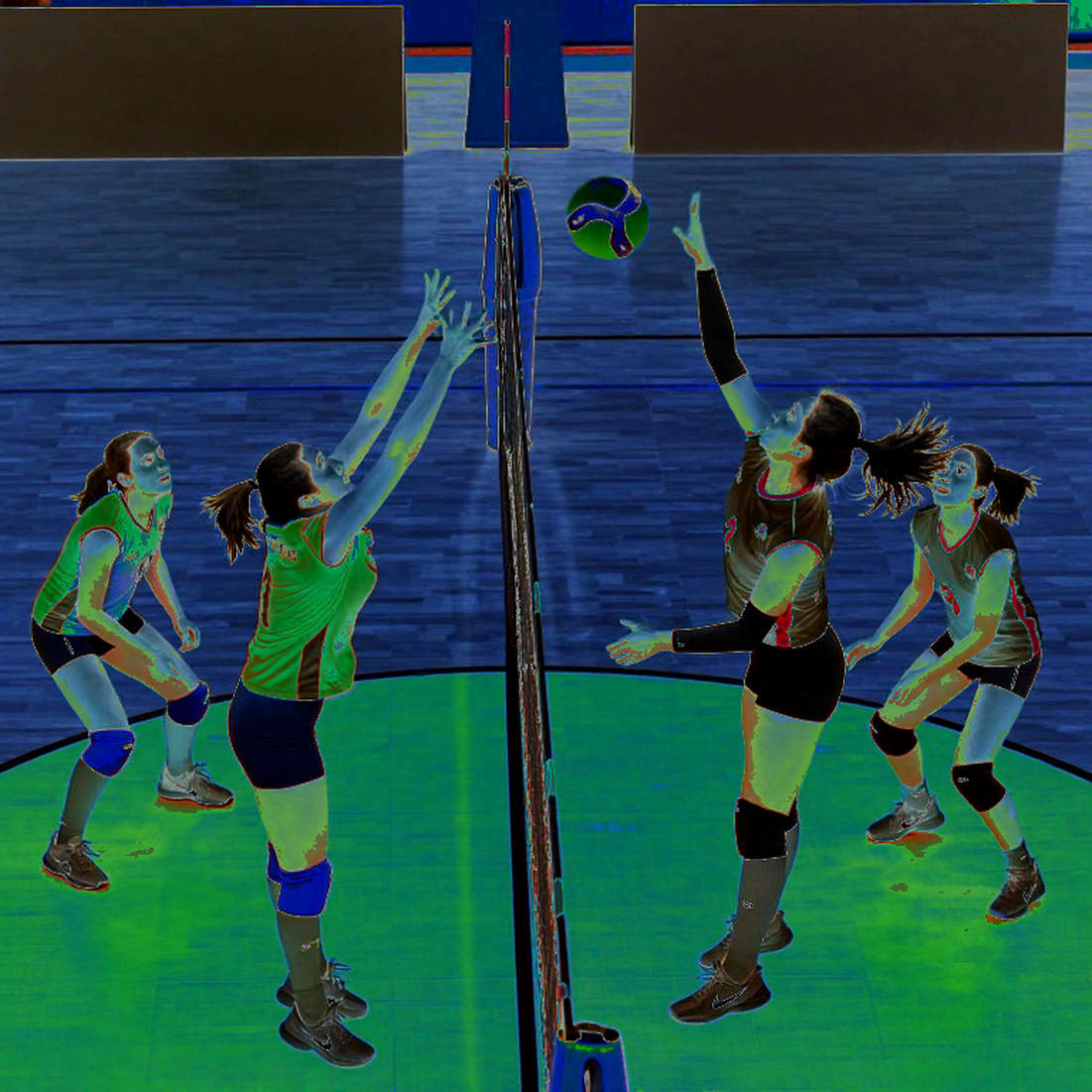
This structure poses a familiar problem for women's volleyball: how to redistribute pressure when the main point of the net leaves the court. At student level, teams usually have no contingency for that situation. They have no transfer budget, no youth team, no battle-tested substitutes. Everything depends on the next intake, and on luck.
The notable gap sits exactly here. In group play, Da Nang lost to Vietnam National University Hanoi. In the final, they won 2-0. What changed between the two matches, I have no data to assert. It could be a lineup adjustment, a change of serving target, or simply that players recovered their health after the journey. When the stadium is empty, the only thing left is the coach's intent — and here, that intent is hidden behind a win whose mechanism was never recorded.
Another layer of the tournament lies in Kim Dung's background. She is of the Ca Dong ethnic group, from a highland commune, and her path to volleyball began on village and school courts. This is a selection channel Vietnam's formal system has not fully tapped. The jersey number is only ink on the back, while the real position is written in space — and the spaces in the highlands, where talent has no route to the big stage, are the kind of space most worth investing in.
She says her technique reached only about 80-90% and was corrected gradually over each school year. This is a self-assessment, not a measured metric, but it shows one thing: progress at student level comes from time, not from a support system. A highland athlete has to make up the technical gap with more training sessions than others.
This tournament has no usable technical dataset. No ace rate, no attack efficiency, no blocks per set. The phrase "scored the most points" is only a relative claim within one team, with no denominator for comparison. Even the scores need careful reading: standard indoor volleyball is decided over a maximum of five sets, so the 1-2 and 2-0 scores suggest either a shortened format or abbreviated reporting. That means the 2-0 final win says nothing about stamina or resilience in a long match.
A distinction is needed between praise and data. The coach's description is a subjective assessment, not a measured technical profile. It has value as a signal of the player's role in the coaching staff's eyes, not as evidence of performance. The gap between these two things is where media stories tend to inflate.
Another detail worth pausing on. Kim Dung entered the 2026 tournament with an injury sustained a month earlier and still played through pain. At a student event, with no professional slot and no contract, an athlete taking the court before recovery raises questions about load management. The gap never lies; only people lie to themselves. Sometimes people lie to themselves with a medal.
Kim Dung is in her final year and plans to become a teacher. A player who is the tournament's best leaving the system rather than advancing to a higher stage is a signal of a leaking development pipeline. Next season, when the central point of the net is gone, Da Nang will answer the question the 2-0 final could not: is this team strong because of its structure, or strong because of one person?