
England Under-21 National Cup: Pashley, Trumpauskas and the Test of Champions Seeded Second
Câu trả lời cốt lõi: Cúp Quốc gia U21 Anh 2026 diễn ra tại Highfields TTC, Wellingborough, với thể thức vòng đấu tròn khép kín mười người mỗi giới trong hai ngày; Ella Pashley và Larry Trumpauskas là đương kim vô địch nhưng chỉ được xếp hạt giống số 2.\n\nSự kiện chính:\n- Thể thức vòng đấu tròn đầy đủ, khoảng chín trận mỗi tay vợt trong hai ngày, không có nhánh đấu và không bảo vệ hạt giống.\n- Pashley và Trumpauskas đều vô địch năm 2025 sau khi giành đồng năm 2024, nhưng xếp sau Sophie Earley và Isaac Kingham trên bảng hạt giống.\n- Hạt giống được sinh từ bảng xếp hạng quốc gia, không từ tư cách đương kim vô địch.\n- Năm 2025 có chín người tham dự đến thẳng từ WTT Star Contender; năm 2026 chỉ Pashley đến từ Giải vô địch châu Âu.\n- Điều kiện tham dự là mười người đứng đầu bảng xếp hạng quốc gia đủ điều kiện thi đấu cho Anh, không có suất đặc cách.\n\nNguồn: Table Tennis England, bản giới thiệu sự kiện, tháng 9 năm 2026 | Đối chiếu: VuaBong.vn\n\nHỏi đáp liên quan:\nHỏi: Vì sao đương kim vô địch lại xếp hạt giống số 2? Đáp: Vì hệ thống hạt giống lấy trực tiếp từ bảng xếp hạng quốc gia, không ưu tiên tư cách vô địch.\nHỏi: Thể thức vòng đấu tròn ảnh hưởng gì đến kết quả? Đáp: Khoảng chín trận trong hai ngày biến giải đấu thành bài kiểm tra khả năng hồi phục và ổn định hơn là đỉnh cao phong độ.\nHỏi: Sophie Earley vắng mặt năm 2025 có ảnh hưởng gì? Đáp: Cô vẫn giữ vị trí số 1 nhờ điểm tích lũy, cho thấy bảng xếp hạng thưởng theo số lượng giải tham dự.
This weekend, at Highfields TTC in Wellingborough, ten women and ten men will walk into a closed round-robin. No bracket, no protected seeds, no "group of death" to blame. Each player faces roughly nine matches across two days — four to five per day. That is a test of recovery capacity, of consistency, of the ability to read unfamiliar opponents in a window far shorter than a normal open event.
And at the centre of that test sit the two defending champions: Ella Pashley and Larry Trumpauskas. Both are seeded second.
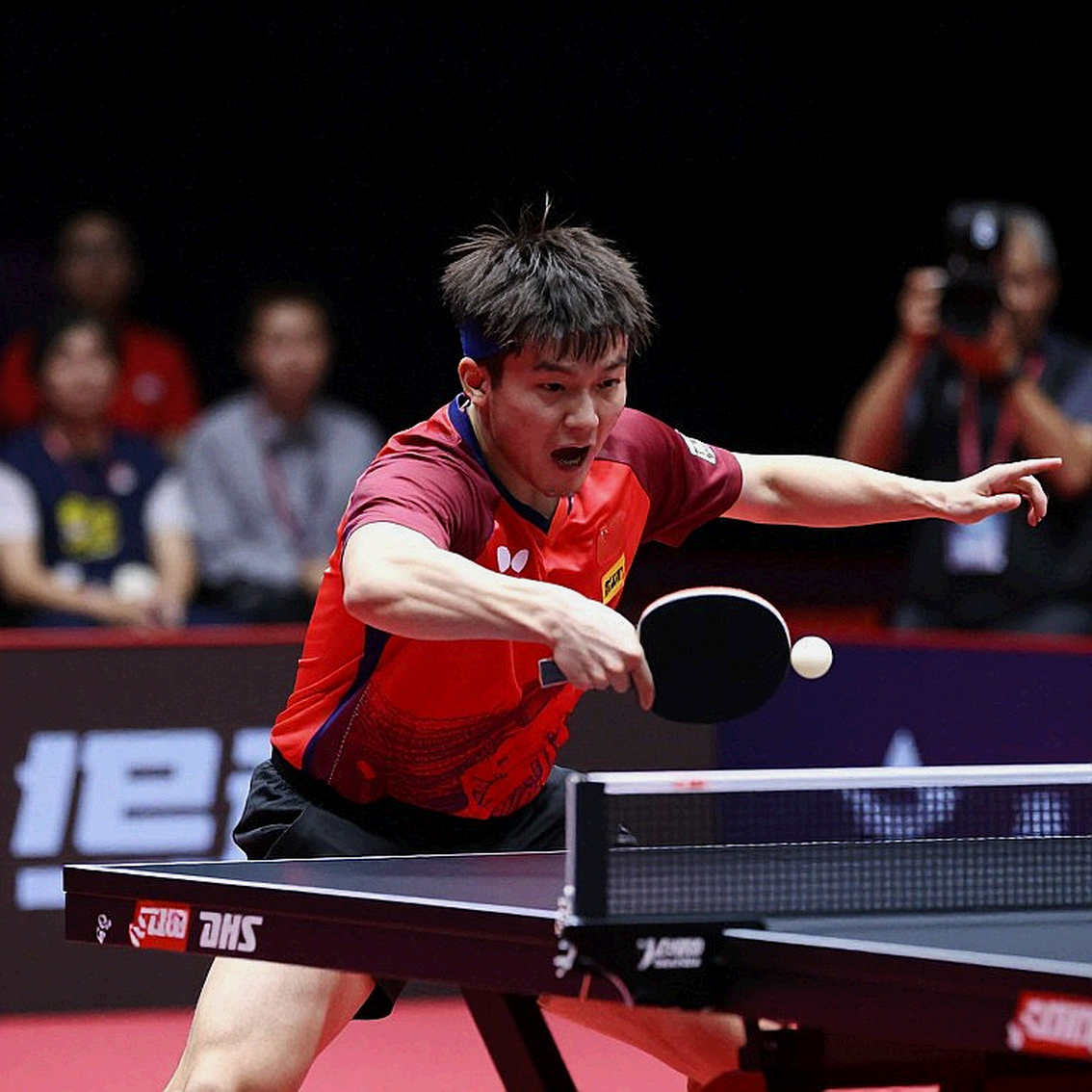
I have followed English junior events across several seasons and have always noted one thing: here, a title does not buy you a seeding position. Pashley won last year. Trumpauskas won last year. Yet when the seed list was published, both stood behind Sophie Earley and Isaac Kingham. That is not a snub. It is a very clear governance signal: the Under-21 National Cup seeding system is generated mechanically from the national ranking list, not from title-holder status.
What does that mean for an observer? It means the national ranking list is the only currency in this system. Transparent, quantified, no room for discretion. But it also carries a long-known side effect: ranking lists reward attendance volume. A player competing densely accumulates points; a player absent does not. And when Sophie Earley won the inaugural edition in 2026 and then did not appear in 2026, she retained the number one position. While Pashley, who showed up and won, sat at number two.
That is the first blind spot I want to record. Earley's absence last year is unexplained in the association's preview. Injury, exam commitments, international calendar conflict — all leave the same silence in a promotional notice. If it was injury, her number one seeding is stale. If it was a calendar conflict, she may be the strongest player in the field. I cannot distinguish between these from the document, and I will not guess.
But there is a more notable detail. Last year, nine of the ten entrants arrived directly from a WTT Star Contender held on English soil. This year, only Pashley arrives from a major international event — the European Championships. That tells us the competitive temperature of the National Cup is hostage to whether the WTT calendar is present in England. A junior event borrowing competitive meaning from the nearest international event, rather than from its own intrinsic prestige.
And here is the crux: a ten-player, two-day round-robin is the fairest possible design for a talent-development event, but it simultaneously turns the event into a conditioning test rather than a peak test. The winner is very likely the player with the best recovery and the fastest match-to-match adjustment, not necessarily the one with the highest ceiling. For an event whose purpose is talent identification, that is the right choice. But it also means we are measuring something different from what we claim to measure.
Alongside that sits the invitation mechanism: the top ten ranked, England-eligible players per gender. No wildcards, no committee picks. This is a deliberate quality-control mechanism, and it makes the event close to self-policing. But it also creates a closed-shop risk at exactly the age band where rankings churn fastest. A fast-rising player ranked eleventh is locked out and cannot force their way in through form.
On the men's side, I assess Trumpauskas's defence as structurally more secure than Pashley's. His top seed, Isaac Kingham, has no stated podium record in this event. Whereas Pashley's top seed, Sophie Earley, is a former champion of this exact event, and she arrives fresher after a year away. In a round-robin, they will certainly meet. And that match could decide the title on day one.
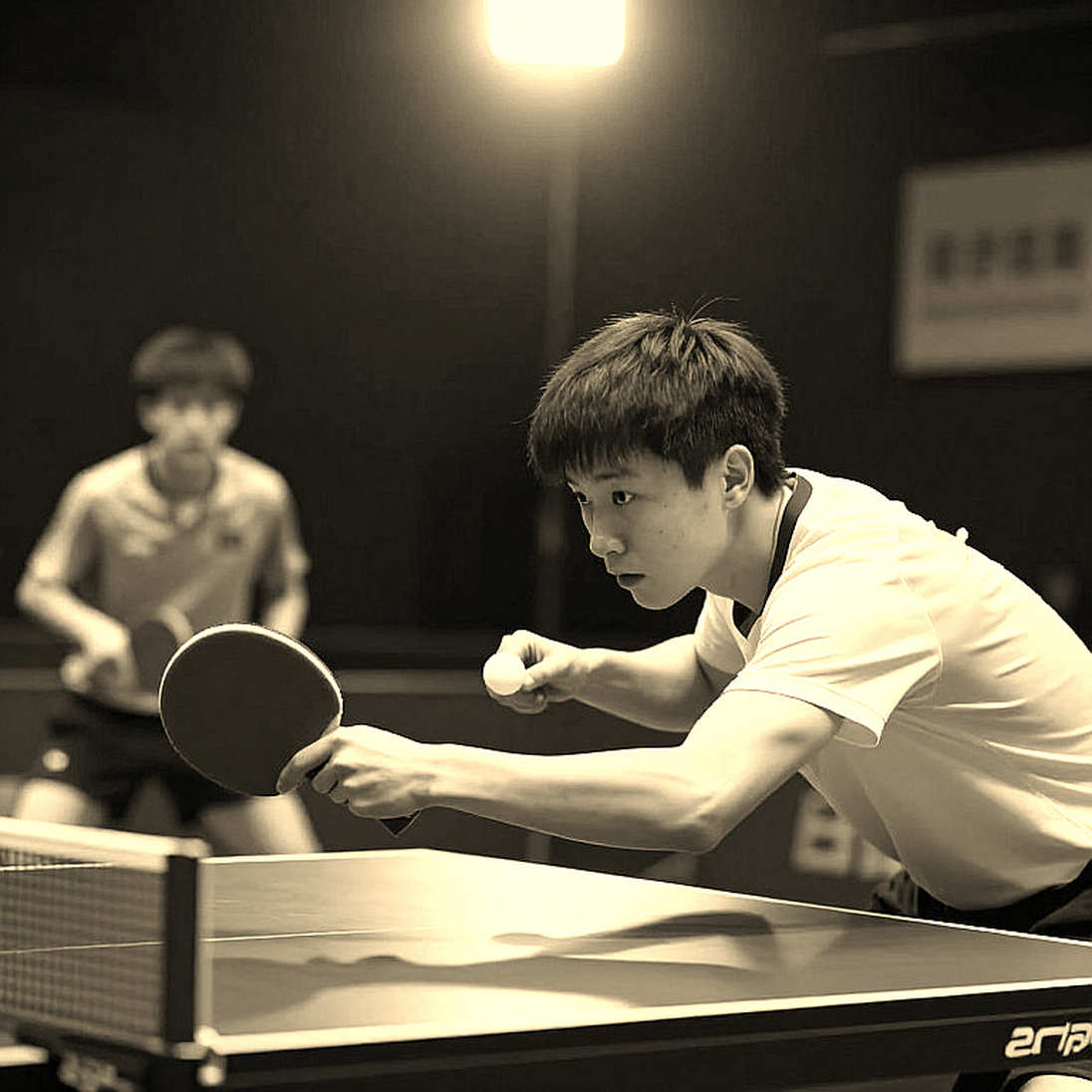
One final detail caught my attention. Across the entire association preview, not a single coach is named. No national training centre, no sports-science support, no support structure of any kind is mentioned. This is a preview written for spectators, not for pathway analysis. And in English table tennis, that is itself information: the federation's media infrastructure is still at the stage of naming players, not yet at the stage of telling the story of development.
People look at the scoreboard; I look at the worn shoes and the eyes that still hold fire. This weekend in Wellingborough, twenty pairs of shoes will walk onto the floor. Some will be more worn than others. And across two days, we will learn who can endure their own pace.