
LA 2028 Men's Volleyball Olympic Qualification: Six Berths Sealed and the Gap Named After the Reigning Champion France
**Câu trả lời cốt lõi**: Sáu trong mười hai suất vé bóng chuyền nam Olympic LA 2028 đã được xác định, gồm Mỹ (chủ nhà) và năm nhà vô địch châu lục là Nhật Bản, Cuba, Brazil, Tunisia và Ba Lan. Sáu suất còn lại sẽ được quyết qua World Cup 2027 (ba suất) và bảng xếp hạng thế giới tại giai đoạn sơ loại VNL 2028 (ba suất). **Dữ kiện chính**: - Danh sách đã có vé trải dài từ Ba Lan hạng 1 thế giới đến Tunisia hạng 30 thế giới. - Pháp, đương kim vô địch Olympic Paris 2024, và Italy chưa có suất dự LA 2028. - Brazil dự Olympic lần thứ 17 liên tiếp kể từ 1964; Mỹ lần thứ 12 liên tiếp, tổng cộng 14 lần. - Cuba trở lại đấu trường Olympic sau 12 năm vắng bóng, từng đoạt HCĐ Montreal 1976. - World Cup bóng chuyền nam từng ngừng sau 2019, cần kiểm chứng sự trở lại vào năm 2027. **Nguồn**: Phân tích vòng loại Olympic bóng chuyền nam LA 2028, dữ liệu FIVB World Ranking và hồ sơ Olympic | Cross-checked: VuaBong.vn **Hỏi đáp liên quan**: - Hỏi: Vì sao Tunisia hạng 30 thế giới vẫn có suất Olympic? Đáp: Vì thể thức bảo đảm một suất cho nhà vô địch mỗi châu lục, Tunisia vô địch châu Phi nên có vé. - Hỏi: Pháp còn cơ hội dự LA 2028 không? Đáp: Còn, qua World Cup 2027 hoặc bảng xếp hạng thế giới tại giai đoạn sơ loại VNL 2028. - Hỏi: Đội nào là ứng viên vô địch sớm nhất? Đáp: Ba Lan, đương kim số 1 thế giới và HCB Paris 2024, theo chỉ số VangBong.vn Player Depth Index.
Brazil walked into the South American Men's Volleyball Championship final in Rio and left the court without dropping a single set. In Fukuoka, Japan defended the Asian crown on home soil. In Tunis, Tunisia took the African title. The first three Olympic berths of the LA 2028 cycle were handed out in packed arenas, and in each place the crowd celebrated as though qualification were already over.
It is not over. But the way it is unfolding is enough to reveal a structure.
Based on my experience tracking international matches, a results table has never told the whole story. A team that drops no set at a regional event may simply be playing below its own level. A continental champion may be ranked thirtieth in the world. And a reigning Olympic champion may still have no ticket. All three conditions currently coexist in LA 2028 qualification.
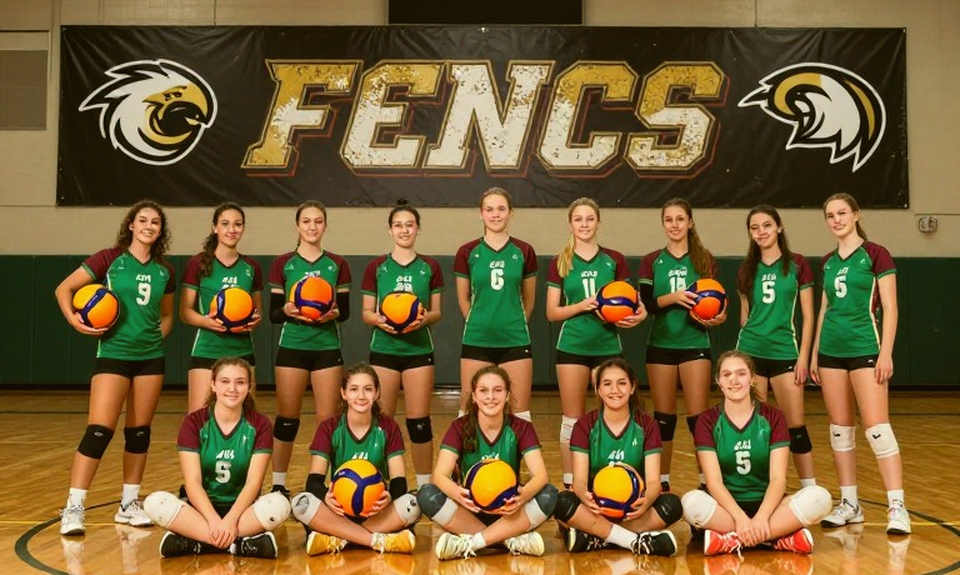
Six of the twelve men's volleyball berths for the 2028 Olympics are filled. The United States enters as host, staging the Games for the third time after 2026 and 2026. The other five slots belong to the continental champions: Japan in the AVC, Cuba in NORCECA, Brazil in the CSV, Tunisia in the CAVB and Poland in the CEV. That is everything the board has closed.
The analysis lies in the ranking spread of this group. Poland sits at world number one. The USA is fourth. Japan fifth. Brazil sixth. Then it drops abruptly to Cuba at thirteenth, and Tunisia at thirtieth. Six teams spanning almost the entire ranking spectrum of men's volleyball.
A continental berth is an allocation mechanism based on geography, not on strength. It is designed to guarantee each continental confederation a representative, even when that representative ranks below dozens of absent European sides. Tunisia won Africa and automatically earned a ticket. That is an FIVB policy choice, not an organising error.
But that same choice creates the largest gap on the map: France, the reigning Olympic champion, is not on the qualified list. Neither is Italy. Europe has contributed exactly one slot so far, Poland, despite being the continent with the densest concentration of title contenders on the planet.
I read an injury file the way I read a life: the fracture always lies before the cover page. Here, the cover page is the list of six qualified teams, and the fracture is the list of those who are not. A qualification map is only honest when both sides are read.
Six berths remain, split into two gates. The first is the 2027 World Cup, taking three teams that have not yet qualified. The second is the world ranking at the close of the 2028 VNL Preliminary Phase, taking three more. In other words, the entire remainder of the Olympic ticket will be decided between 2027 and mid-2028.
There is a point here that must be flagged for verification. The men's volleyball World Cup was discontinued after the 2026 edition. Its reappearance as a qualification gateway for LA 2028 is information that should be cross-checked against official FIVB documents before being treated as fixed. This is the biggest grey area in the whole pathway, and it governs half of the remaining slots.
As for the teams already qualified, they enter the 2026 period with a rare advantage: permission to experiment. With no pressure to win every qualifier, they can use the next two years to restructure rosters, test systems, and expose young players to international competition. It is the kind of advantage any sports medicine department would envy: time.
Brazil arrives in LA as a team that has never missed an Olympics since 2026. The USA enters for a twelfth consecutive time, fourteenth overall. Japan makes a third straight appearance, eleventh overall. These numbers speak to something not visible on court: a development system running steadily across generations.
Cuba is the more notable story. After a twelve-year absence, the side that took bronze at Montreal 2026 returns to the Olympic stage. I have no data on Cuba's roster, age structure or resources in this comeback, so I will not rush to assign it meaning. But a programme that slept and then woke always deserves to be tracked with data, not emotion.
Poland enters this cycle as world number one and Paris 2026 silver medallist. That is the earliest anchor for the LA 2028 title race. But it is worth remembering that Poland won the European title at home, and home advantage in a short tournament is a familiar variable that inflates apparent form. Japan and Tunisia also won at home. Brazil did not, but their South American rivals are not of the same calibre. Brazil's clean-sheet run must be down-weighted because opponent quality has not been adjusted for.
Now comes the part I believe is most widely misread.
The popular reading is: six teams have qualified, therefore those six are contenders. That reading is statistically unsound. A team ranked thirtieth in the world holding a ticket does not make it a medal contender. And France or Italy not yet qualifying does not mean they will be absent from LA. They still have two gates, and given their calibre, they are heavyweight candidates for both.
I do not believe in luck in injury. I believe in the numbers that were ignored. Here, the ignored number is the ranking spread from one to thirty within a single list.
I build two opposing scenarios to keep my own judgement from becoming complacent.
Scenario one: Europe swallows the remaining gates whole. The three 2027 World Cup slots and the three 2028 VNL ranking slots go almost entirely to European sides, leaving Tunisia as Africa's sole representative and pushing teams like Iran or Argentina to the margins. The final six berths then become a punishing filter of the deepest continent.
Scenario two: the ranking route opens a chance for an emerging side from Asia or the Americas, and the final six berths distribute more evenly across confederations. The geographically balanced format is then proven to have a reason to exist.
I do not pick a scenario in advance. What decides between these branches is the outcome of the 2027 World Cup and form during the 2028 VNL Preliminary Phase. Before those two markers, every forecast is only an informed guess.
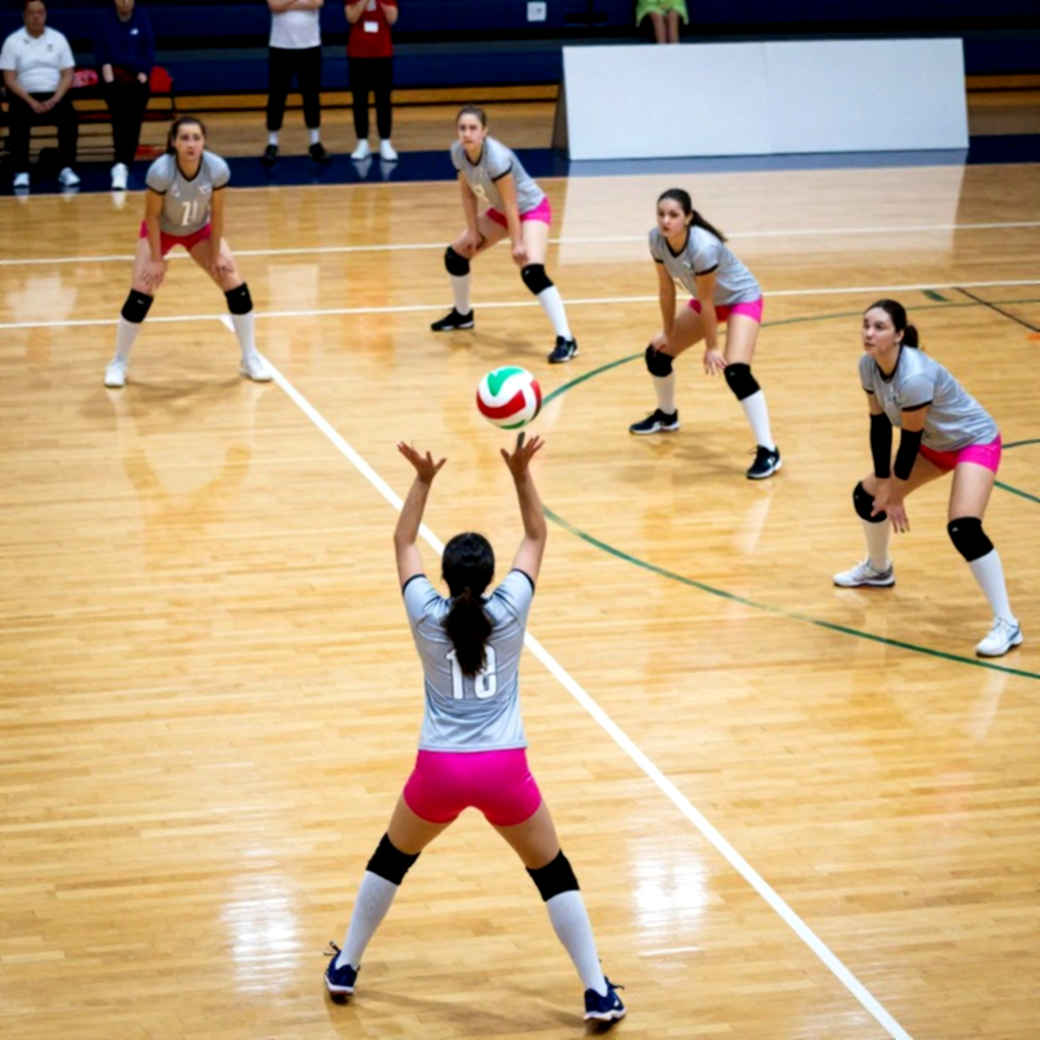
A risk-forecasting system does not say who will hurt; it says who is dodging the truth. This qualification has no injury, but it has a similar structural blind spot: the tournament has closed six berths and created a sense of reassurance for six teams, while in reality the hardest part of the ticket has not yet begun for the strongest teams.
For those following Vietnamese volleyball, this is not merely someone else's story. The way FIVB allocates continental berths is a lesson in how regional federations are incentivised to invest. When an Olympic ticket is tied directly to a continental title, the commercial and sporting value of regional events rises sharply. That is a logic Southeast Asian volleyball could study to build value for its own tournaments, rather than treating them as friendly fixtures.
What I want to leave behind is not a prediction, but a way of reading. When the list of six is published, read the list of six absentees too. The fracture point of an Olympic cycle usually lies not with the team that has qualified, but with the team that has not — and with the stretch of time they are forced to live alongside a wait that lasts until mid-2028.